Yemeni Ambassador and Japanese Foreign Ministry Official Discuss Strengthening Ties in Tokyo
 Yemen Herald News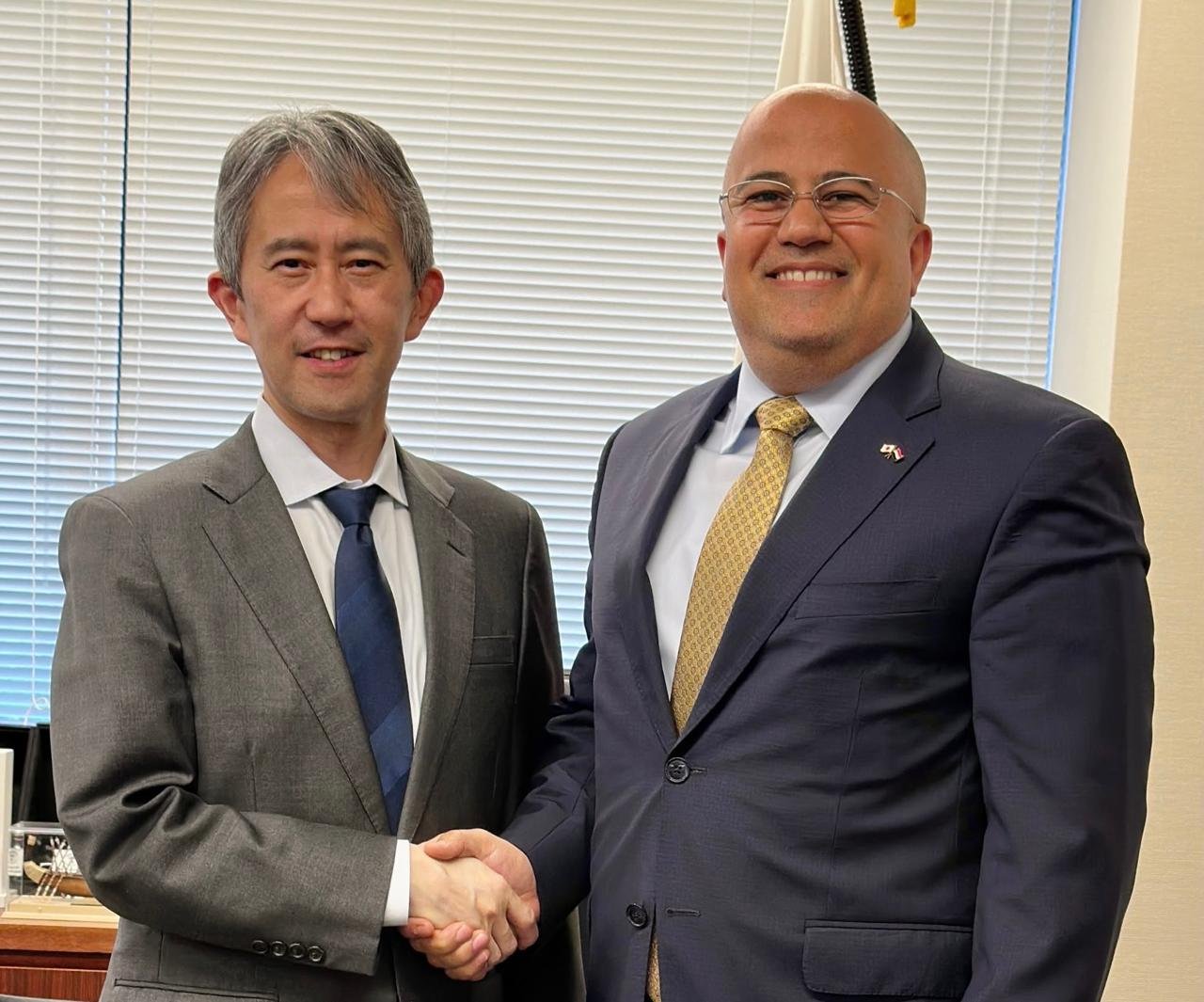
Yemen’s Ambassador to Japan, Adel al-Sunaini, has held talks in Tokyo with a senior Japanese foreign ministry official aimed at deepening cooperation between the two countries. The ambassador met Keiichi Iwamoto, Assistant Minister for Foreign Affairs and head of the Middle East and Africa Bureau at Japan’s Ministry of Foreign Affairs, in a meeting that reaffirmed the value both governments place on their long-standing relationship at a time of continuing crisis in Yemen.
The discussion ranged across political engagement, humanitarian assistance and development, the areas where Japanese involvement has been most consistent. For Yemen, which faces one of the world’s most severe humanitarian emergencies, sustaining the support of partners such as Japan has become a central goal of its diplomacy. An estimated 18 million people in the country require humanitarian aid, and officials in the internationally recognised government have repeatedly stressed the need for international solidarity to meet those needs.
Al-Sunaini used the meeting to express appreciation for Japan’s contributions, singling out its humanitarian and development assistance. He noted that Tokyo has helped deliver aid and support efforts to stabilise the country as it confronts the long task of recovery and reconstruction. Much of Japan’s engagement has flowed through the Japan International Cooperation Agency, which has funded projects spanning basic services, infrastructure and support for vulnerable communities, giving the relationship a practical footing beyond diplomatic exchanges.
Japan has been among the donors channelling humanitarian funding to Yemen through United Nations agencies and international organisations over the course of the war, supporting food, health and water programmes for civilians. That record has helped build a reservoir of trust between the two governments, and Yemeni officials have been keen to see it maintained even as global attention drifts toward other emergencies. Framing the relationship around concrete assistance has been a consistent theme of Yemeni outreach to Tokyo.
The talks came at a moment when international attention to Yemen carries particular weight, given the tangle of regional politics surrounding the conflict. The Houthi movement, a principal actor in the war since it escalated in 2015, continues to receive backing from Iran, a dynamic that has complicated efforts to reach a durable political settlement. Against that backdrop, Yemen’s government has sought to shore up relationships with states seen as reliable and constructive, and Japan’s reputation as a development-focused partner fits that aim.
Japan’s own approach to the region has increasingly emphasised humanitarian engagement, and the meeting reflected that orientation. With well over four million people displaced within Yemen, the case for sustained dialogue on longer-term solutions is pressing. Japanese technical expertise, from water and sanitation to public health and reconstruction, could prove valuable to Yemenis working to restore basic services in areas battered by years of fighting.
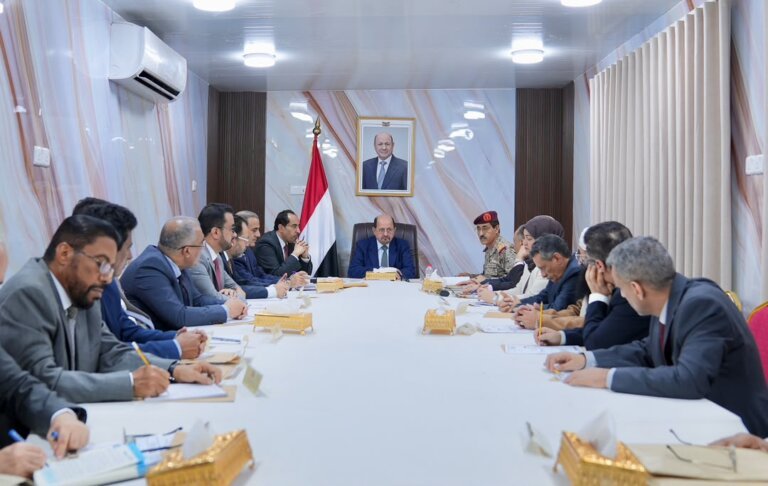
Beyond humanitarian questions, the conversation touched on political support for Yemen’s Presidential Leadership Council, the internationally recognised governing body based in the interim capital of Aden. The council, which brings together several factions under a single authority, has been trying to consolidate its legitimacy and present a unified front amid persistent division and violence. Backing from partners such as Japan could lend weight to those efforts, both diplomatically and in terms of the resources needed to govern effectively.
Yemen’s geography also featured in the discussions, given its position along one of the world’s most important maritime corridors. The waters off its coast, near the Bab al-Mandab Strait and the southern Red Sea, are vital to global shipping and carry strategic significance for numerous states, including Saudi Arabia and the United Arab Emirates, both deeply involved in the conflict. Japan, a trading nation heavily dependent on secure sea lanes, has a clear interest in maritime stability, an interest that could dovetail with its diplomatic engagement in Yemen.
For Yemeni diplomats, the encounter represented an opportunity to broaden the base of international support, particularly among countries with a track record of development and humanitarian work. Officials hope that active engagement from Japan could encourage other nations to renew their focus on Yemen, where donor fatigue and competing global crises have made it harder to sustain attention and funding. A visible partner in Tokyo, they argue, can help keep Yemen on the international agenda.
Both sides signalled a readiness to build on the foundation laid in previous years. The emphasis on cooperation across several fronts, from relief to reconstruction to political support, points to a relationship that neither government appears keen to let drift. Whether that intent translates into expanded programmes will depend on follow-through, funding and the broader trajectory of the conflict, but the tone of the meeting suggested a shared interest in maintaining momentum.
The challenges facing Yemen remain daunting, and no single meeting can alter the fundamentals of a war that has dragged on for the better part of a decade. Yet diplomacy of this kind still matters, keeping channels open and reminding the wider world of the country’s plight. By continuing to engage with partners in Yemen and beyond, Japan may strengthen its role as a contributor to the international response, while Yemen secures another voice willing to advocate for its recovery.
As the two governments move forward, the practical test will be whether the goodwill on display in Tokyo yields concrete outcomes for Yemenis living with the daily consequences of conflict. For now, the meeting between al-Sunaini and Iwamoto stands as a marker of a relationship both capitals appear determined to sustain.
About the Author