Late Argentina Comeback Sinks Egypt 3-2 in World Cup Last 16 Amid Refereeing Row
 Yemen Herald News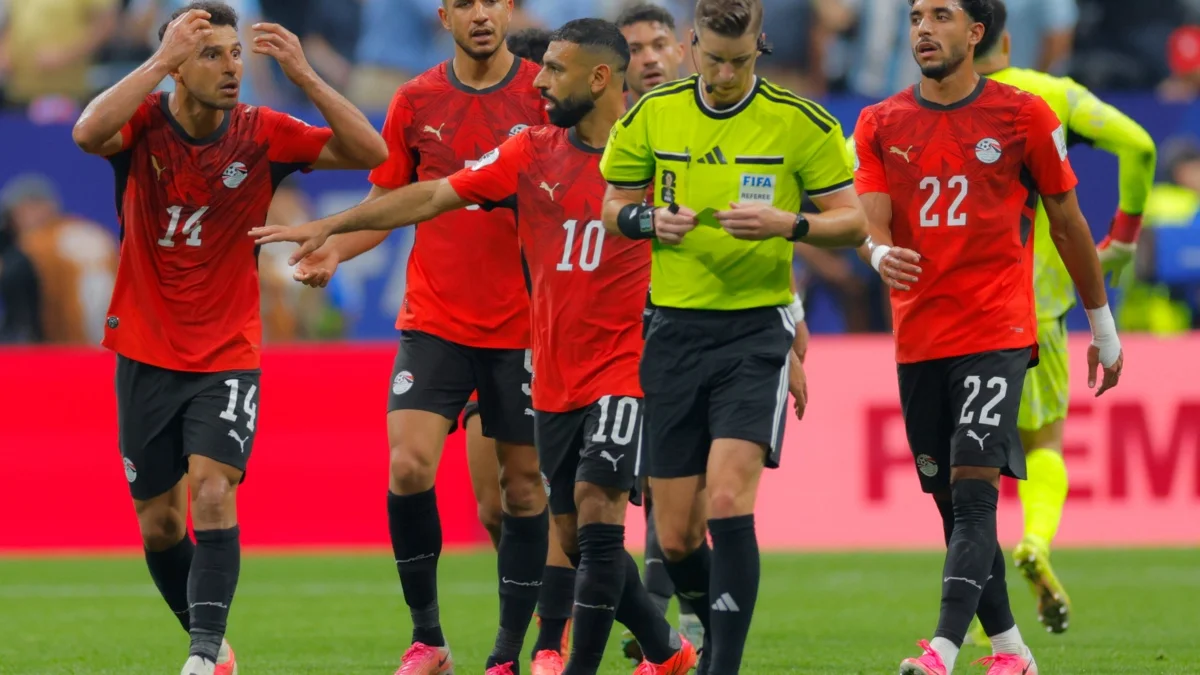
Egypt came within a quarter of an hour of the greatest result in their footballing history before a late Argentine surge sent the reigning world champions through to the quarter-finals with a dramatic 3-2 win in the World Cup round of 16 at Atlanta Stadium on 7 July 2026. For long stretches the Pharaohs were the better side, and they left the field convinced that the match had been taken from them as much by the officials as by their opponents. Argentina, for their part, became the first team in World Cup history to win a knockout tie in regulation time after trailing by two goals inside the final quarter of an hour.
Egypt began fearlessly and were rewarded when Yasser Ibrahim rose to head them in front during the first half. Goalkeeper Mostafa Shobeir then preserved the lead by saving a penalty from Lionel Messi, one of two spot-kicks the Argentine captain would fail to convert across the tournament. Rather than retreating, Hossam Hassan’s side pushed for more, and the forward known as Zico doubled the advantage midway through the second half to make it 2-0. With less than a third of normal time remaining, one of the pre-tournament favourites stood on the brink of elimination.
Then came the collapse. Cristian Romero pulled a goal back in the 79th minute, heading home a Messi cross to reduce the deficit to 2-1. Four minutes later Messi himself equalised, slamming in a finish for his record-extending 21st goal in World Cup finals. In the second minute of stoppage time Enzo Fernández met a cross and headed into the net to complete a stunning turnaround, three goals in a little over ten frantic minutes. Messi was in tears at the final whistle; so, for very different reasons, were the Egyptians. It was the kind of finish that will be replayed for years, a reminder of how quickly a World Cup knockout tie can turn.
The Egyptian sense of injustice centred on French referee François Letexier and the video assistant referee, and on two moments in particular. The first was a disallowed Egyptian goal. Zico latched onto a Mohamed Salah pass and finished from close range in what looked like a clean strike, only for VAR to rule it out for a foul by Marwan Attia on Lisandro Martínez earlier in the move. Egypt argued that the intervention went beyond VAR’s remit, contending that a minor tangle several phases before the goal was not the kind of clear and obvious error the technology is meant to correct.
The second grievance came in the build-up to Argentina’s winner. Egypt believed Lisandro Martínez had fouled Salah moments before Fernández’s header, and were incensed that, by their account, the incident was not reviewed at all. Around the same period the referee produced a flurry of yellow cards against Egyptian players and booked Hassan himself for protesting from the touchline. To the Egyptian bench, the contrast between the forensic scrutiny applied to their disallowed goal and the apparent absence of any check on the challenge on Salah was impossible to accept.
“The referee is unfair,” Hassan said afterwards. “He’s wasting the effort of an entire nation. The cup is directed towards Argentina.” The coach complained that a penalty appeal had been ignored and a goal “remarkably” disallowed, adding that his players had seen neither respect nor fair play. Zico, who scored once and had another effort chalked off, was equally pointed, arguing that everything had turned against Egypt the moment they led 2-0. The emotion was raw, and understandable from a team that had come so close to a historic upset over the world champions.
Yet a dispassionate reading complicates any accusation of conspiracy. The disallowed goal had a genuine basis in the laws of the game: replays showed contact on Lisandro Martínez in the build-up, and such fouls are routinely penalised when VAR flags them. Refereeing mistakes, even clustered ones, are not in themselves proof of bias, and officials at major tournaments frequently draw criticism from whichever side loses out on the fine margins. Letexier’s overall performance will be scrutinised in the days ahead, but the evidence for deliberate favouritism toward Argentina is thin.
For Argentina, the result extended a title defence that had looked in serious danger. Messi, who turned 39 shortly before the tournament, once again proved decisive at the moment of greatest need, his equaliser and his cross for Romero underlining a continuing influence that has defined his country’s golden era. The comeback also spoke to the resilience of a squad that refused to accept defeat, with substitutes and senior players alike driving the late assault that eventually overwhelmed a tiring Egyptian defence in the closing stages.
What is beyond dispute is the human cost of the defeat. Egypt produced arguably the finest performance of their modern World Cup era, led the champions by two goals with less than fifteen minutes to play, and still went home. Whatever view one takes of the officiating, the Pharaohs had every right to feel that the margins of the game were not kind to them. Their players left the pitch to sympathetic applause, their tournament over but their reputation, on the strength of this display, considerably enhanced.
About the Author