Yemen’s Industry Minister Chairs Aden Meeting to Advance Public-Private Partnership Reforms
 Yemen Herald News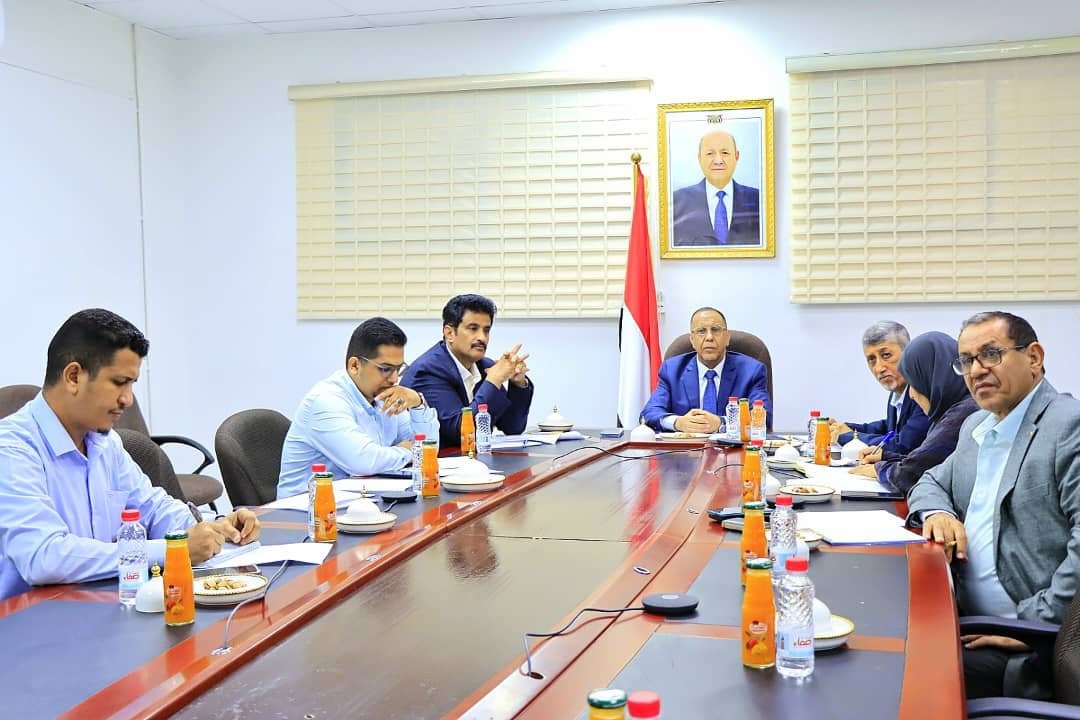
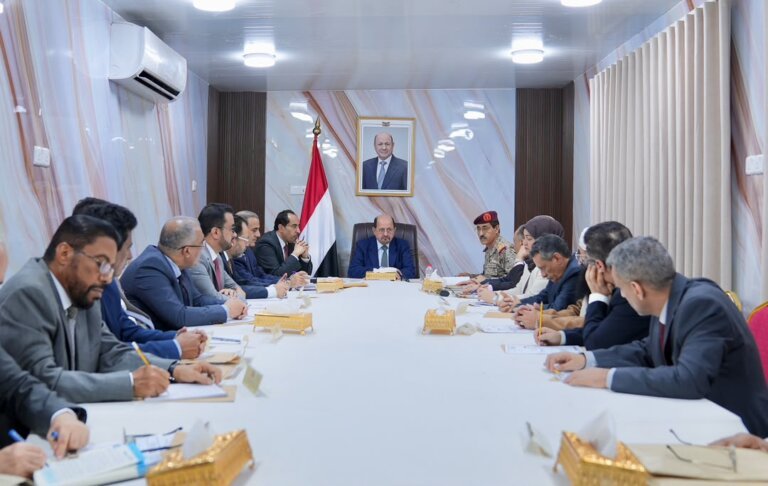
Yemen’s Minister of Industry and Trade, Dr. Mohammed al-Ashwal, has chaired a meeting of the Joint Committee on Public-Private Partnership in the interim capital, Aden, to discuss reforms intended to improve the country’s battered business and investment climate. The committee, which brings together government officials and representatives of the private sector, reviewed regulatory and operational obstacles facing businesses and examined proposals the minister said would be shaped into a unified reform agenda for the Cabinet’s consideration. Al-Ashwal described closer cooperation between the state and private enterprise as a national priority.
The minister argued that a functioning partnership with the private sector is indispensable to Yemen’s economic recovery, calling for streamlined procedures, a more predictable regulatory framework and stronger coordination between institutions. Participants discussed measures to ease the movement of goods, stabilise supply chains and encourage investment in productive sectors. According to the minister, the aim is not only to remove bureaucratic friction but to rebuild trust between businesses and a government whose authority has been fragmented by nearly a decade of war.
The meeting took place against the backdrop of an economy hollowed out by conflict. Since fighting escalated in 2015, Yemen’s infrastructure, industry and public finances have been severely damaged, and the country now depends heavily on imports for food, fuel and medicine. The internationally recognised government, based in Aden, controls only part of the country, while the Houthi movement holds the capital, Sanaa, and much of the north, leaving the two sides operating rival economic institutions and separate central banks.
Currency instability has been among the most visible symptoms of that fracture. The Yemeni rial fell sharply in government-held areas over the past year, driving up the cost of basic goods and eroding household purchasing power. In recent months, however, the currency regained roughly a third of its value after the government took steps to curb speculation and support the market — a fragile improvement that officials hope reforms like those under discussion can help sustain rather than see reversed.
To ease pressure on prices, the government has also moved to secure imports of essential commodities, allocating substantial funding to guarantee the flow of food and fuel into the market. Customs duties and port fees remain one of the few reliable sources of public revenue, which is part of why control over trade routes and the efficiency of ports has taken on such economic weight. Streamlining trade procedures, the minister suggested, could both increase that revenue and lower costs for importers.
The humanitarian stakes give the economic agenda added urgency. The United Nations estimates that well over 18 million Yemenis require some form of assistance, and years of displacement, currency collapse and disrupted salaries have pushed many families into poverty. Officials and aid agencies alike argue that job creation and a more stable business environment are essential complements to emergency relief, offering a path toward self-sufficiency rather than indefinite dependence on outside aid.
Attracting outside investment is a central ambition of the reform effort, but it is also among the hardest to realise. Insecurity, an unpredictable legal environment and damaged infrastructure have deterred many foreign firms, and investors continue to watch Yemen’s political trajectory closely. The minister’s emphasis on institutional coordination reflects a recognition that reforms on paper mean little without consistent enforcement across the ministries and agencies that businesses must navigate every day.
The public-private partnership model that al-Ashwal is promoting has been used elsewhere in the region to finance and manage infrastructure and services when governments lack the resources to do so alone. In Yemen’s case, proponents argue, such arrangements could help rehabilitate ports, power supplies and other essential systems while spreading risk between the state and private operators. Critics caution that partnerships require strong oversight to avoid entrenching monopolies or diverting scarce public funds away from those who need them most.
Whether the committee’s recommendations translate into tangible change will depend on the Cabinet’s response and on the broader security situation. Previous reform initiatives have stalled amid political disputes and renewed fighting, and the government’s ability to implement policy is constrained by its limited territorial control and its dependence on external support from Saudi Arabia and the United Arab Emirates. For now, the Aden meeting represents an attempt to signal seriousness about economic policy to domestic businesses and international partners alike.
The reform drive also unfolds under the watch of the Presidential Leadership Council, the eight-member body formed in 2022 to unify the anti-Houthi camp and oversee the government from Aden. The council has faced persistent pressure from international donors and Gulf backers to demonstrate better economic management, curb corruption and make more efficient use of the financial support it receives. Officials involved in the partnership committee say credible, well-sequenced reforms are essential both to unlocking further assistance and to convincing wary investors that the government can provide the stability and transparency that long-term commitments require.
The minister framed the initiative as part of a longer-term vision of empowering young Yemenis, stimulating productive enterprise and rebuilding confidence in state institutions. Those goals remain distant in a country still defined by conflict and hardship, but the meeting reflected a wider push within the government to place economic recovery alongside security and diplomacy on its agenda. The reforms discussed, officials say, will be refined into concrete proposals before being presented to the Cabinet for approval.
About the Author