Yemen Herald News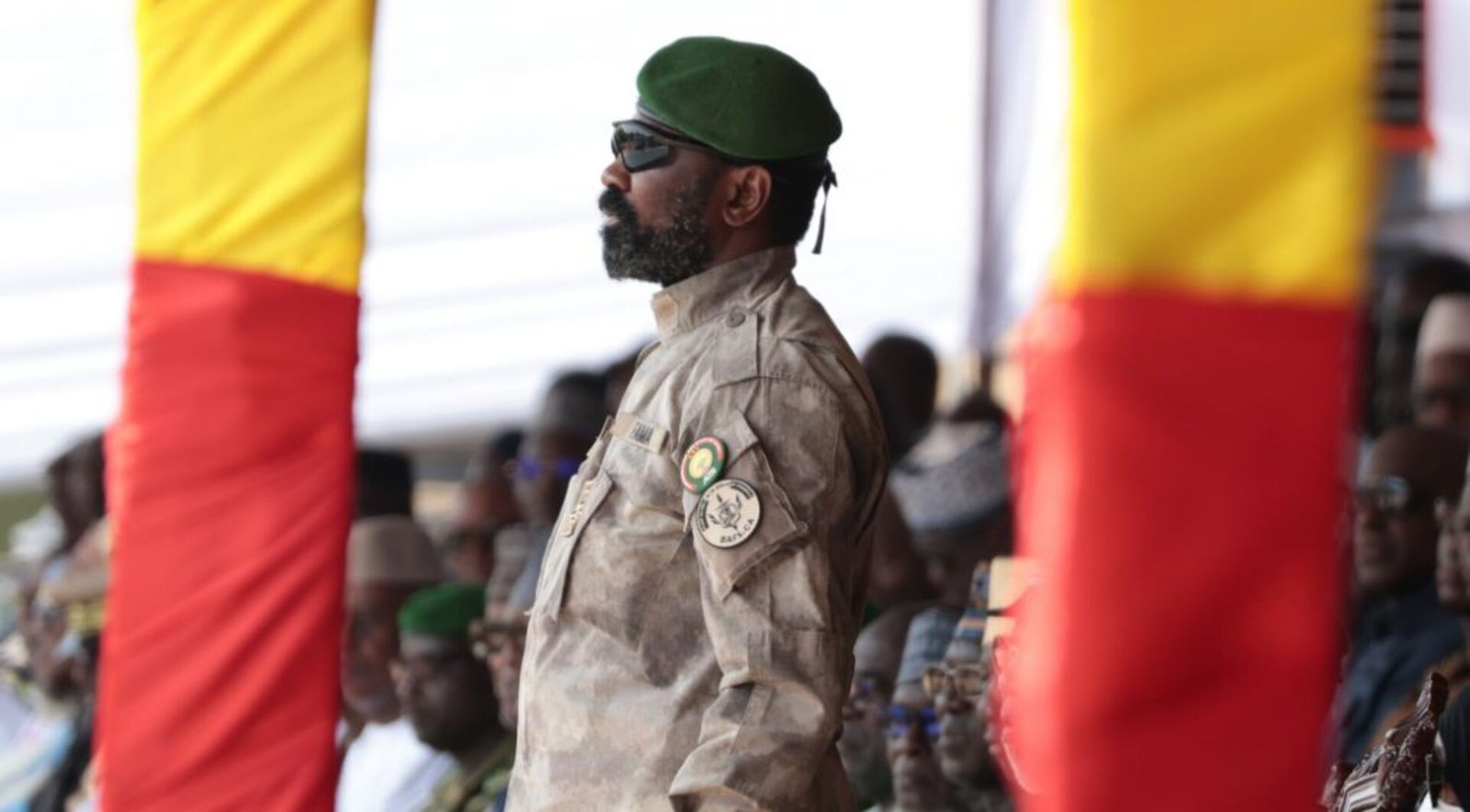
The Fragile Grip of Mali’s Military Government: A Tipping Point for Regional Stability
The recent surge of armed rebellion in Mali poses a critical challenge to the military government, raising urgent questions about its authority and the broader implications for West African stability. As armed groups, including al-Qaeda affiliates, gain ground, the specter of a failed state looms large, threatening not only Mali but the entire Sahel region.
Context and Background
Mali, a nation that declared independence from France in 1960, has long struggled with internal strife, particularly in its northern regions. The historical grievances of the Tuareg people, coupled with the rise of extremist groups, have created a volatile environment. Since the military coup in 2020, the junta has attempted to consolidate power while simultaneously combating a myriad of armed factions. However, the latest rebellion marks a significant escalation, as various groups have united against the government, challenging its legitimacy and control.
Key Developments
In recent months, Mali’s military government has faced unprecedented challenges. Armed groups have executed a series of coordinated attacks, capturing key towns and establishing checkpoints around the capital. Notably, the alliance between Tuareg rebels and jihadist factions has intensified, creating a formidable opposition. The military’s reliance on Russian mercenaries, ostensibly to counter these threats, has not yielded the expected results. Instead, accusations have surfaced, suggesting that the junta is now blaming France for supporting these insurgent activities, a narrative that could further isolate Mali on the international stage.
Impact Analysis
The implications of this turmoil are profound. Politically, the military government’s credibility is in jeopardy. As it struggles to maintain order, public confidence is eroding, which could lead to increased unrest and a potential power vacuum. Economically, the instability is detrimental; foreign investment is likely to dwindle as businesses reassess the risks of operating in a conflict-ridden environment. Security-wise, the resurgence of armed groups threatens not only Mali but also neighboring countries, as the Sahel region grapples with the spillover effects of violence and instability. The potential for a humanitarian crisis looms, with displaced populations and disrupted access to essential services exacerbating an already dire situation.
Strategic Insight
The current trajectory suggests a precarious balance of power in Mali. The military government, while attempting to project strength through alliances with external powers like Russia, may be underestimating the resilience and coordination of the armed groups. This miscalculation could lead to a significant shift in power dynamics, with the potential for a broader insurgency that could destabilize the entire region. Furthermore, the junta’s narrative of external blame may resonate domestically but risks alienating international partners who could provide crucial support. The strategic landscape is shifting, and the military’s grip on power appears increasingly tenuous.
What Happens Next
Looking ahead, several scenarios could unfold. The military government may seek to bolster its position by reaching out for regional support, potentially aligning with neighboring states facing similar threats. Alternatively, if the current trajectory continues, we could witness a full-scale rebellion that might lead to the collapse of the military regime. In such a case, the vacuum left behind could invite further foreign intervention or exacerbate the humanitarian crisis. The international community must remain vigilant, as Mali’s fate could serve as a bellwether for the stability of the Sahel region as a whole.
Conclusion
The situation in Mali is a stark reminder of the fragility of state authority in the face of organized rebellion. As the military government grapples with internal dissent and external pressures, the implications for regional stability are profound. The potential for a failed state in Mali is not just a national concern; it poses a significant threat to the broader West African landscape. The coming months will be critical in determining whether Mali can reclaim control or if it will succumb to the forces of chaos.
About the Author