Aden Governor and Dutch Ambassador Review Funding for Yemen’s Water Projects
 Yemen Herald News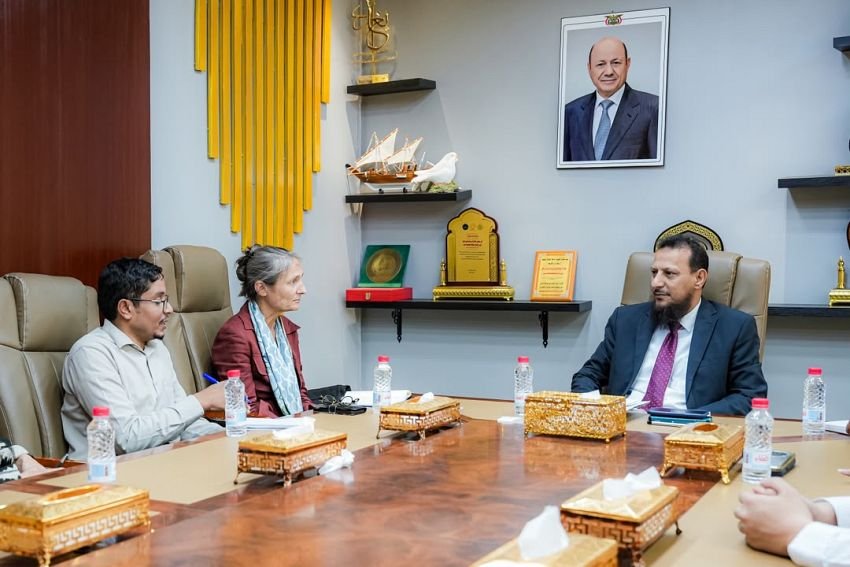
The Governor of Aden, Abdulrahman Sheikh, held talks in Yemen’s temporary capital with the Ambassador of the Netherlands to Yemen, Jennette Seppen, to review Dutch-funded initiatives aimed at improving the country’s battered water sector. The two officials discussed how to prioritise and implement projects so that limited resources reach the communities that need them most, at a time when severe water shortages are compounding one of the world’s gravest humanitarian emergencies. The meeting reflected a partnership that has increasingly centred on rebuilding the basic services on which millions of Yemenis depend.
Sheikh thanked the Netherlands for its contributions to water-related work in Yemen, describing such support as vital to a population worn down by years of conflict and instability. He stressed that reliable access to clean water is now among the most pressing needs in Aden and beyond, particularly in districts where infrastructure has been damaged or left to decay. Engaging local authorities and residents in deciding which projects to pursue, he suggested, would help ensure that investment is matched to the realities on the ground.
Dutch assistance in Aden has already produced concrete results. Among the projects developed with support from the Netherlands, alongside Germany, is the construction of a large water storage tank in the al-Barzakh area of Khormaksar district, designed to hold around 18,000 cubic metres and to improve the reliability of supply for residents of the city, easing a chronic strain on households that have long endured intermittent access. The Netherlands has also been associated with the Aden Port master plan, part of a broader push to restore the infrastructure that underpins the local economy and the delivery of essential goods and services.
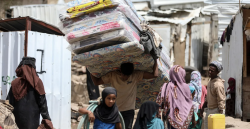
Yemen’s water crisis stems from a combination of overlapping pressures. Conflict has damaged pumping stations, pipes and treatment facilities; the effects of climate change have reduced already scarce supplies; and the mass movement of people has driven up demand in areas ill-equipped to cope. The United Nations estimates that around 5.2 million people remain internally displaced, many living in crowded conditions without proper sanitation or safe drinking water. Against that backdrop, sustained international cooperation has become essential to limiting the damage and helping communities recover.
The Dutch government has recognised the urgency of the situation, directing resources not only towards physical infrastructure but also towards community engagement. Programmes of this kind seek to involve local councils and residents in assessing their own needs and setting priorities, an approach intended to make projects more durable because they rest on the input of those most directly affected. By combining construction with local participation, the strategy aims to build water systems that can withstand future shocks rather than provide only short-term relief.
Ambassador Seppen reiterated her country’s commitment to helping Yemenis, underlining the importance of sustainable water supplies capable of enduring the strains of a prolonged emergency. Placing local authorities and communities at the centre of the effort, she indicated, is central to creating lasting benefits that outlast immediate humanitarian intervention. That emphasis is especially significant in a context where Yemen’s institutions, including the internationally recognised Presidential Leadership Council, have struggled to manage resources and reach everyone in need.
The discussions also touched on the wider regional stakes of Dutch aid. Yemen lies along the Red Sea and the Bab al-Mandab strait, waterways of considerable geopolitical importance, and instability there poses risks not only to Yemenis but to regional security and global trade. By investing in civilian infrastructure such as water networks, the Netherlands and other partners argue they can help stabilise the country in ways that ultimately serve the broader stability of the Gulf and the surrounding sea lanes.
Water sits at the heart of Yemen’s humanitarian picture. The United Nations projects that some 14.4 million people will require water, sanitation and hygiene assistance in 2026, part of a caseload of more than 22 million people, roughly half the population, expected to need humanitarian aid this year. Water scarcity and damaged infrastructure heighten the risk of disease, and recurrent cholera outbreaks have been closely linked to the collapse of safe water and sanitation systems, making investment in the sector a matter of public health as much as development.
The Dutch focus on restoring basic services stands somewhat apart from the military dimension of the conflict that has dominated much international involvement in Yemen. By treating humanitarian support as a component of longer-term recovery, aid of this kind can help lay the groundwork for wider discussions on reconstruction. As rival factions, including the Houthi movement and the Saudi-led coalition, continue to contest influence, addressing shared civilian needs such as water could offer rare common ground and a practical starting point for cooperation.
Looking ahead, the involvement of the Netherlands and other donors in meeting essential needs could help open the way to broader conversations about rebuilding the country. An effective response, officials acknowledge, requires not only immediate intervention but long-term strategies built around resilience and sustainability. The stakes are high, and missteps could deepen the suffering of a population already stretched to its limits. Even so, targeted initiatives focused on resources as fundamental as water may prove to be a cornerstone of Yemen’s eventual recovery.
About the Author