Al-Arada held discussions on Yemen’s political, humanitarian, and development issues.
 Yemen Herald News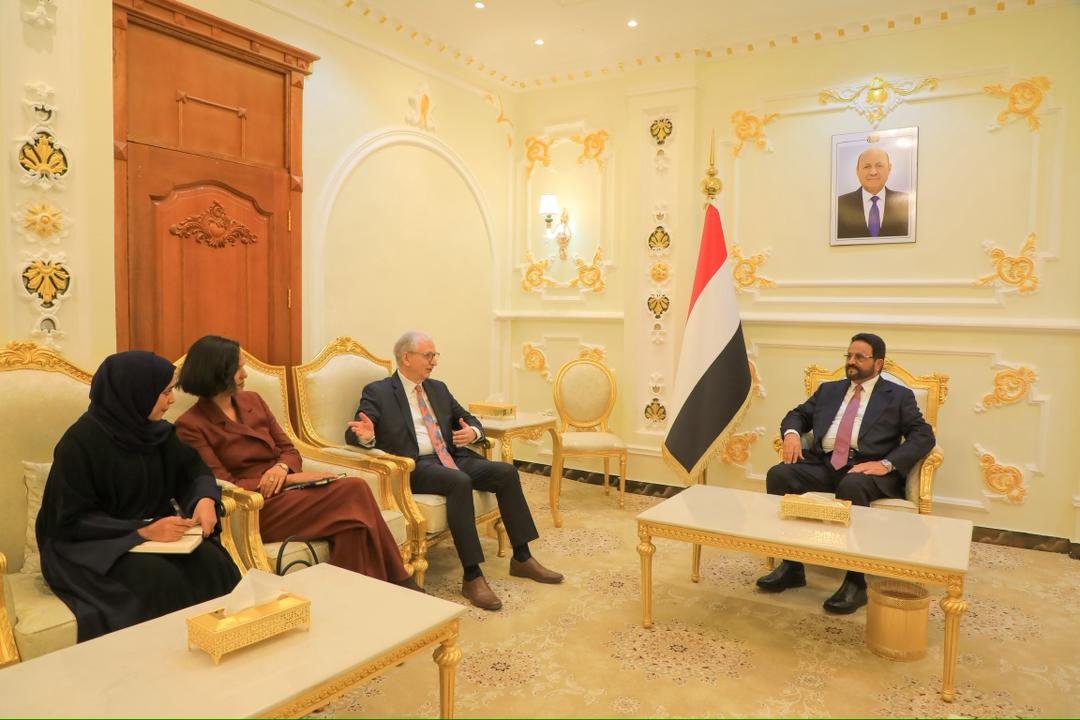
Recently, Major General Sultan al-Arada, a member of Yemen’s Presidential Leadership Council and Governor of Marib, engaged in discussions with German Ambassador Thomas Schneider and his delegation. This meeting, which reflects Germany’s ongoing commitment to Yemen, addressed various pressing issues, including the humanitarian situation, political challenges, and development efforts in the country. Both parties explored potential avenues for enhancing cooperation to promote sustainable stability and growth.
Al-Arada emphasized the critical role played by Germany in supporting Yemeni communities, which is vital as they grapple with the hardships exacerbated by ongoing conflicts—particularly those involving the Houthi militia, which has continually posed obstacles to peace and recovery. The governor acknowledged the longstanding and fruitful partnership between Yemen and Germany, highlighting its significance across multiple sectors such as humanitarian aid and developmental initiatives.
Moreover, the meeting spotlighted the urgent need for increased support from the international community to help the Yemeni government manage the acute humanitarian and economic challenges it faces. Al-Arada pointed out that funding for crucial sectors—like healthcare, education, and water supply—has significantly declined over the years, impacting the ability to deliver essential services to the population. His remarks underscored the necessity for a collective effort to enhance support for Yemen’s recovery and rebuilding processes.
The primary stakeholders in this dialogue include the Yemeni government, represented by the Presidential Leadership Council and local authorities like Major General Sultan al-Arada. Their role is pivotal, as they coordinate efforts to ensure security, stability, and the delivery of services to both local populations and internally displaced persons. The challenges faced by local authorities are magnified by dwindling resources and the overwhelming demands posed by those displaced by conflict, necessitating strong governance and effective service provision.
Another crucial stakeholder is the German government, represented by its ambassador and other diplomatic personnel. Germany has made substantial contributions towards humanitarian aid and reconstruction projects in Yemen, aiming to stabilize the region and support its local governance structures. The German delegation’s visit demonstrates their commitment to understanding the situation on the ground and fostering an environment conducive to partnership and investment in recovery initiatives.
Additionally, international organizations play an essential role in supporting Yemen’s humanitarian needs and recovery efforts. Bodies like the United Nations operate in Yemen to facilitate aid distribution and coordinate relief efforts, responding to the urgent requirements of millions affected by the crisis. The collaboration among these stakeholders is vital for fostering a comprehensive approach that addresses not only immediate humanitarian concerns but also long-term developmental goals.
The ongoing situation in Yemen has far-reaching implications for the broader Middle East region. The conflict has become a key area of contention between Saudi Arabia and Iran, with the Houthis receiving Iranian support. This proxy dynamic has escalated tensions in the Gulf, influencing the security landscape and prompting heightened military responses from Saudi Arabia. The prolonged instability in Yemen poses risks not only to its immediate neighbors but also to global shipping routes that transit through the Bab al-Mandab Strait.
Moreover, the humanitarian crisis in Yemen draws attention to the efficacy and responsibility of regional and global powers in addressing humanitarian needs. The high number of displaced individuals and the persistent health challenges present a stark reminder of the consequences of unresolved conflicts. The impact extends to the Gulf Cooperation Council and may urge neighboring countries to reassess their policies regarding refugees and humanitarian aid.
In addition to the immediate consequences in Yemen, the conflict has implications for diplomatic relations throughout the region. Countries such as Germany, which actively engage with both the Yemeni government and international organizations, can play a significant role in promoting dialogue and reconciliation. Their efforts are critical in rallying further support for peace initiatives and sustainable development, while also countering the narratives used by extremist groups that exploit the chaos for recruitment and influence.
The meeting between Governor al-Arada and Ambassador Schneider sheds light on the multifaceted challenges that Yemen faces amid its ongoing conflict and humanitarian crisis. The governor’s call for increased international assistance highlights the urgency of addressing not only immediate needs but also the factors contributing to long-term instability. A holistic approach, focusing on humanitarian aid, governance, and development efforts, is essential for fostering resilience among the Yemeni population.
Germany’s involvement, particularly in terms of diplomatic engagement and support, signifies the value of international partnerships in addressing complex crises. The historical ties between Yemen and Germany offer a foundation for enhanced collaboration that could yield significant benefits in reconstruction and development efforts. Such cooperation is paramount as Yemen navigates its path toward stability and recovery, with the need for innovative solutions to address infrastructure deficits and enhance local capacities becoming increasingly apparent.
The deteriorating humanitarian situation necessitates a coordinated response from all stakeholders, particularly given the adverse impacts of declining international aid. The call from al-Arada for increased funding and support is a crucial reminder of the realities on the ground and the resilience of local institutions in the face of tremendous challenges. Strengthening local governance and institutional capacities will be vital to ensuring that humanitarian aid flows effectively and reaches those who need it most.
Following this recent engagement, it is anticipated that both Yemen and Germany will work toward a renewed partnership aimed at bolstering support for humanitarian initiatives and development projects. The discussions opened a channel for further negotiations focused on specifics regarding aid delivery, capacity building, and infrastructure improvements in Marib and beyond. Continued dialogue between the Yemeni government and international partners will be pivotal in reinforcing commitment to the region’s recovery and stability.
In the immediate future, the emphasis on increasing humanitarian assistance is likely to lead to more targeted international responses as organizations and governments reassess their strategies based on ground realities highlighted by local leaders. This could result in a reframing of how support is provided, potentially leading to initiatives that prioritize not just emergency relief but sustainable development guidance that empowers local stakeholders.
Long-term prospects will depend heavily on regional dynamics and international diplomatic efforts aimed at ceasing hostilities within Yemen. The involvement of key international players, including Germany and other nations willing to invest in Yemen’s future, will be instrumental in facilitating peace negotiations and supporting the PLC in its governance efforts. As stakeholders rally for meaningful change, the hope for a stable and prosperous Yemen could transition from aspiration to reality if sustained action and collaboration are pursued.
About the Author