
Arab-Greek Health Conference Features Yemen’s Participation
 Yemen Herald News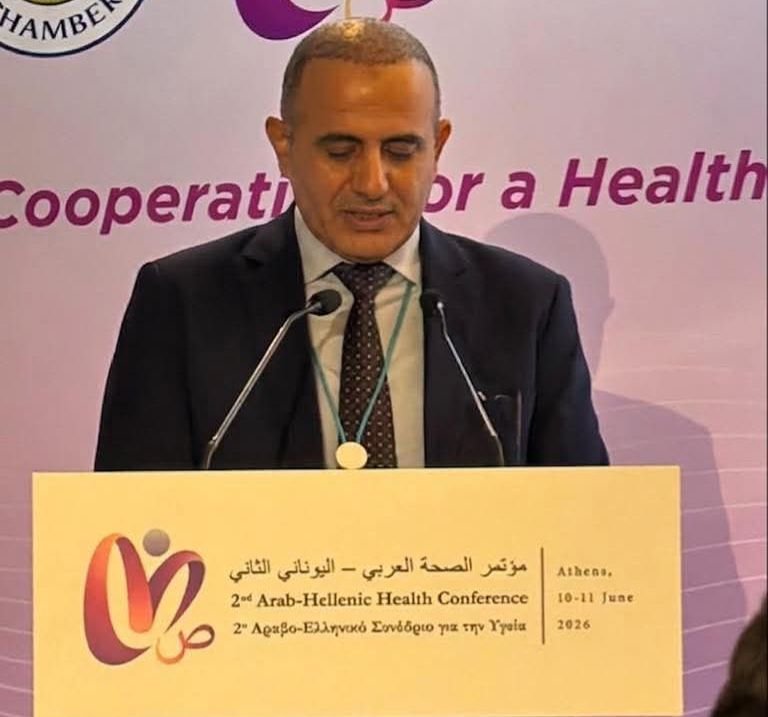
The ongoing civil war in Yemen, which began in 2015, has affected nearly every aspect of life in the country. The conflict primarily involves the Houthi movement, which controls parts of northern Yemen, and the Saudi-led coalition supporting the Yemeni government, primarily centered in the southern city of Aden. This situation has created an unprecedented humanitarian crisis, with over 18 million people in urgent need of assistance and more than 4.5 million individuals displaced from their homes. Amidst this turmoil, the health care system has been severely impacted, leading to recurring disease outbreaks like cholera and measles and worsening access to essential medical services.
To address some of these challenges, Yemen’s Ministry of Public Health and Population is seeking to bolster international cooperation, especially in the health sector, recognizing the importance of collaboration and knowledge-sharing with other nations. The health system, which has been grappling with resource shortages and infrastructural deficits due to the war, continues to seek out solutions that will not only enhance medical services but also promote sustainable health practices within the country.
In this context, Yemen’s participation in international health forums is critical. These platforms offer opportunities to engage with other nations to exchange best practices, develop capacity-building programs, and discuss relevant health initiatives. Through active involvement, Yemen hopes to rebuild and strengthen its health care infrastructure, ultimately improving health outcomes for its population.
Yemen recently participated in the Second Arab-Greek Health Conference held in Athens, showcasing its commitment to enhancing international health cooperation. The Yemeni delegation was led by Dr. Qasim Buhaibeh, the Minister of Public Health and Population, who emphasized the critical nature of such conferences in promoting dialogue between Arab countries and Greece. These gatherings are essential for sharing medical expertise and finding collaborative solutions to improve health systems in the participating nations.
At the conference, discussions revolved around various pertinent issues in the health sector, including the localization of the pharmaceutical industry, specialized medical training, and the sharing of healthcare expertise. These aspects are particularly relevant for Yemen as the country seeks to reduce dependency on foreign medical supplies and pharmaceutical imports, which have been hampered by the ongoing conflict and blockades.
Minister Buhaibeh stressed the need for continued coordination among various stakeholders to broaden cooperation in the health sector. The meetings held on the sidelines of the conference served as a platform for exploring potential partnership opportunities, which included interactions with government officials, private sector representatives, and international health organizations. These collaborative efforts aim to improve the quality of healthcare services available to Yemenis, especially in the face of enduring humanitarian and health challenges.
The primary stakeholder in Yemen’s health sector is the Ministry of Public Health and Population, which is tasked with overseeing public health initiatives and ensuring that medical services meet the population’s needs. Dr. Qasim Buhaibeh, the Minister of Health, is pivotal in advocating for Yemen’s health interests on international platforms, promoting partnerships that can lead to resource sharing and capacity development within the local health infrastructure.
Another vital stakeholder includes the Saudi-led coalition, which has been involved in the conflict and humanitarian response efforts across Yemen. Their support is crucial, as they currently play a significant role in funding and facilitating access to medical aid and supplies, despite the complications introduced by the geopolitical dynamics of the region.
International organizations and NGOs also play essential roles in Yemen’s health landscape. Groups that focus on humanitarian aid respond to the ongoing health emergencies by providing services, resources, and expertise. Collaborations between these organizations and the Yemeni Ministry of Health are necessary to address urgent needs within the country, including disease eradication initiatives and support for health infrastructure rebuilding.
Local healthcare providers and facilities represent the frontline players in Yemen’s healthcare delivery. Doctors, nurses, and support staff often work under difficult conditions, risking their lives to provide care to those in need. Their experiences and insights are invaluable as they interact with various stakeholders to advocate for resources and systemic improvements in healthcare services.
The decisions made during conferences like the Arab-Greek Health Conference have far-reaching consequences for both Yemen and the surrounding region. By enhancing cooperation and dialogue, participating nations can collectively address health challenges that transcend borders. For Yemen, collaboration with Greece and other Arab nations opens avenues for importing knowledge and expertise, significantly benefiting its strained health sector.
Moreover, rebuilding Yemen’s healthcare system is not just essential for its populace but also has implications for regional stability. Health crises, such as cholera outbreaks, have the potential to spill over into neighboring countries, creating cross-border health challenges. Thus, regional cooperation in health matters is increasingly seen as a proactive approach to mitigate possible health threats.
The geopolitical dynamics of the Red Sea region also bear significance when considering Yemen’s health initiatives. The Bab al-Mandab strait is a pivotal maritime route for global trade, making the stability of Yemen relevant to multiple actors in the region. Enhancing Yemen’s healthcare capabilities allows for a more resilient population that could, in turn, contribute to greater regional stability.
Additionally, the ongoing humanitarian crisis within Yemen demands urgent attention from the international community. As the health system falters, economic recovery becomes increasingly challenging, fueling further instability. Hence, support for health initiatives not only addresses immediate health concerns but also lays the groundwork for Yemen’s longer-term recovery and development.
The participation of Yemen in international health discussions indicates a concerted effort to address pressing health issues through collaboration and knowledge-sharing. While the challenges facing Yemen’s health sector are immense, it is significant that the country’s leadership recognizes the importance of international partnerships in overcoming these hurdles. This proactive approach reflects a strategic acknowledgment of the need for sustained efforts to build a capable health infrastructure.
However, the true effectiveness of these international cooperations will depend on the commitment of both Yemen and its partners to implement the agreements discussed. Past experiences have shown that goodwill is not always sufficient; tangible mechanisms for collaboration must be established, and follow-up actions are vital to ensure that plans translate into real improvements on the ground.
Moreover, the limitations imposed by the ongoing conflict cannot be overlooked. Geopolitical factors, such as the influence of the Houthi movement and the involvement of external powers in the conflict, may complicate the implementation of health initiatives. Yemen must navigate these complex dynamics while simultaneously addressing its urgent health needs. Building strong relationships with fellow Arab nations and Greece can help mitigate some of these obstacles.
Furthermore, investing in local capabilities is paramount. As Yemen strives to localize the pharmaceutical industry and enhance training within its healthcare system, it must prioritize skill development for local healthcare providers. Implementing training programs and ensuring access to medical education will empower local practitioners, ultimately leading to a more self-sufficient healthcare environment.
With Yemen’s ongoing efforts to strengthen its health sector through international collaborations, immediate steps to implement the discussions held during the conference will be crucial. The Ministry of Health must prioritize establishing frameworks to facilitate partnership opportunities and engage potential international collaborators. This might involve formal agreements, memorandums of understanding, or coordinated programs focusing on specific health initiatives.
Moreover, the Yemeni government should leverage ongoing discussions to secure commitments of resources, training, and technical support from regional and international partners. These collaborations are essential not only for immediate recovery but also for establishing a sustainable health infrastructure poised for long-term development.
Awareness campaigns and advocacy will also play a critical role in rallying domestic and international support for Yemen’s health initiatives. By highlighting success stories and the urgent need for assistance, stakeholders can enhance visibility, attract resources, and cultivate further interest in collaborative projects.
Lastly, given the complex nature of the ongoing conflict and its repercussions, continued dialogue will be needed at multiple levels, targeting both humanitarian assistance and health system rebuilding. This dual approach is essential for ensuring stability and resilience in Yemen’s health landscape, ultimately enhancing the quality of life for all Yemenis affected by the ongoing crisis.
About the Author




