Bahrain destroys Iranian missiles and drones in interception operation
 Yemen Herald News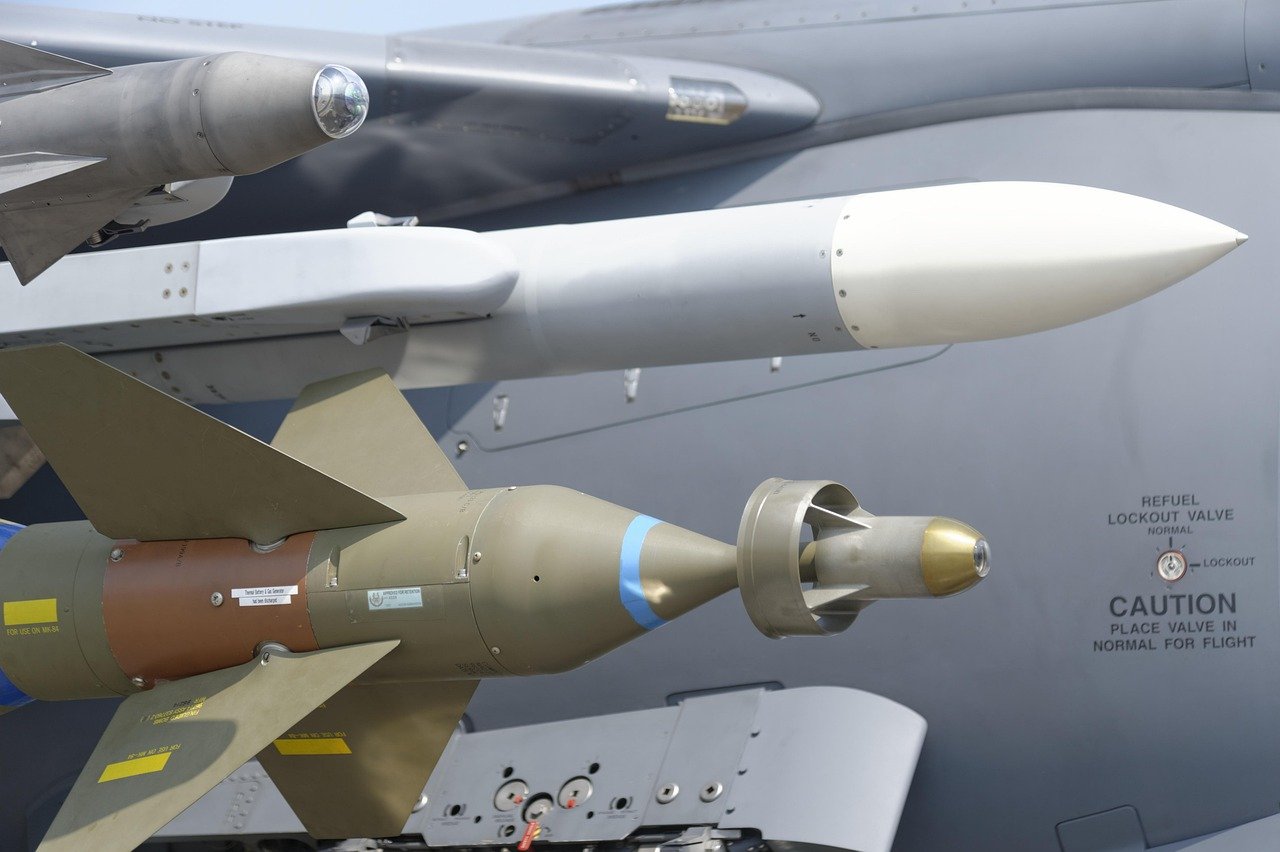
Bahrain has found itself increasingly on high alert as regional tensions rise, particularly over Iran’s activities. Since the onset of the civil war in Yemen in 2015, which has pitted the Iran-aligned Houthis against a Saudi-led coalition, various Gulf states have remained vigilant regarding Iranian influence in the region. Iran’s support of the Houthis has raised concerns among Bahrain’s leadership and its allies, fostering an environment where military confrontations involving drones and missiles are considered potential threats.
Over the years, Bahrain has actively participated in a coalition aimed at reinstating Yemen’s internationally recognized government, based in Aden, which has faced relentless assaults from Houthi forces. This coalition, which includes Saudi Arabia and the United Arab Emirates, seeks to curtail Iranian influence in the region and maintain stability in the strategically vital Red Sea—a critical maritime route connecting Europe to Asia via the Suez Canal.
Bahrain's Role in Yemen
With Bahrain’s geographical proximity to both Iran and Yemen, actions taken by the Iranian government have profound implications for its national security. The nation’s strategic importance in the Arabian Gulf is underscored by its hosting of the U.S. Fifth Fleet and its critical role in safeguarding maritime trade routes, making any missile or drone threat from Iran or its proxies a matter of immediate concern for Bahraini defense forces.
The General Command of the Bahrain Defence Force recently reported that Iran has continued its pattern of hostility against Bahrain through unlawful missile and drone attacks aimed at civilian targets. This development underscores an ongoing strategy attributed to Iran, which allegedly seeks to assert its influence and intimidate regional adversaries. The military’s statement highlighted the successful interception of three missiles as well as numerous drones before they could impact their intended targets.
Iran's Hostility Reported
The interception of these aerial threats demonstrates the effectiveness of Bahrain’s air defense capabilities. As tensions simmer, the ability to thwart such aggressive acts reinforces Bahrain’s commitment to protecting its sovereignty and safeguarding its civilian population. According to military sources, these attempts to strike civilian infrastructures are not only dangerous but also violate established international humanitarian laws that protect non-military populations from armed conflict.
The military’s declaration serves as a reminder that conflicts involving non-state actors such as the Houthis can directly jeopardize the safety of civilians. Moreover, the systemic use of drones and missiles illustrates a broader trend in modern warfare where such technology is increasingly utilized by state-sponsored groups to bypass conventional forms of engagement, leading to complex security challenges for regional governments, especially those closely allied with the U.S. and other Western nations.
Impact on Civilian Safety
The principal stakeholders in this evolving situation encompass the governments of Bahrain, Iran, and Yemen, each with differing priorities and perspectives. For Bahrain, the primary concern lies in national security. The nation aims to ensure the safety of its citizens while maintaining a stable political environment in the face of escalating threats. The Bahraini government’s partnership with the United States and other Gulf Cooperation Council (GCC) members further amplifies its resolve to counter Iranian incursions into the region.
Iran, on the other hand, leverages its alliances with various militia groups, such as the Houthis, to expand its sphere of influence across the Gulf. By providing military and logistical support to these factions, Iran seeks to disrupt the status quo in the region, posing an indirect challenge to the authority of GCC states. Tehran’s strategy implicitly relies on using proxies to engage in confrontational acts against adversaries, thus affording it plausible deniability while advancing its interests.
In Yemen, the protracted civil war has left a fragmented political landscape marked by the presence of various factions—including the Houthis, the internationally-recognized government, and other regional actors. The coalition fighting against the Houthis draws added attention from international observers concerned about Iran’s increasing assertiveness in Arabian Peninsula affairs. Humanitarian considerations complicate the situation further, as millions of Yemenis continue to suffer from war-related miseries, while enabling or condemning military actions—like missile strikes—is under constant scrutiny from various humanitarian organizations.
The continued aggression between Iran and its rivals, especially in the Gulf region, has far-reaching consequences beyond Bahrain’s borders. A significant concern is the potential for a spillover effect that could destabilize neighboring countries, amplifying already existing geopolitical tensions. Each missile intercepted in Bahrain may have ramifications that reverberate throughout the GCC and potentially lead to broader conflicts involving multiple nations.
Regional Consequences of Aggression
Furthermore, these developments exacerbate the ongoing crisis in Yemen, where civilians bear the brunt of the violence. The Yemeni humanitarian crisis, characterized by widespread famine and an ongoing cholera outbreak, has already put immense pressure on local and international resources. Any escalations in military activities on Bahrain’s part could provoke retaliatory actions from the Houthis or other Iranian proxies, further complicating the humanitarian landscape in Yemen.
Additionally, the recent missile and drone threats contribute to a growing military posture among GCC states, which could lead to an arms race in the region. Nations may respond by enhancing their military capabilities, leading to a more militarized sphere and further diminishing prospects for a peaceful resolution to various conflicts. Such an environment can embolden non-state actors, who might perceive increased military tensions as an opportunity for greater operational latitude.
The Bab al-Mandab Strait’s significance cannot be overlooked either, as any conflict in the region could potentially disrupt vital shipping routes. With a considerable percentage of global maritime trade passing through this area, the threat posed by hostile actions related to regional tensions could have implications for global markets and international trade dynamics.
The recent uptick in missile and drone attacks attributed to Iran’s proxies underscores a troubling trend in the region’s security dynamics. Bahrain’s interception of these threats is a testament to its defense readiness, yet it also raises questions regarding the long-term viability of such measures. While air defense systems can thwart immediate threats, they do not address the deeper geopolitical issues at play, including Iranian ambitions and the unyielding conflict in Yemen.
Challenges of Defense Readiness
From a strategic perspective, Iran’s use of missiles and drones retains both offensive and psychological dimensions, projecting strength while simultaneously testing the resolve of its adversaries. This behavior is designed to deter opposition forces, showcasing Iran’s capacity to exert military power while remaining insulated from direct confrontation. The challenge for Bahrain, therefore, lies in forming a cohesive response, collaborating with its allies to counteract these threats effectively.
Moreover, the implications of Iran’s actions become more acute amid heightened tensions between the Islamic Republic and the United States. As both nations remain locked in a complex relationship marked by economic sanctions and military posturing, the potential for miscalculation increases. Any misstep or miscommunication between these key players could escalate into larger confrontations that extend well beyond Bahrain, destabilizing the entire Gulf region.
Additionally, Bahrain’s experience serves as a case study in the intricacies surrounding modern warfare involving civilian-targeted aggression. The international community must respond not only to the immediate threats posed by missile and drone attacks but also address the enduring humanitarian crises that result from the armed conflict. Stakeholders must engage in dialogue to seek pragmatic solutions that prioritize de-escalation and peace-building efforts, rather than allowing military actions to dictate the course of regional developments.
As the situation continues to unfold, Bahrain is likely to ramp up its military preparedness and cooperation with allies, especially the United States and other GCC states. This may involve enhanced intelligence-sharing initiatives to monitor potential threats from Iranian proxies and improve strategic defenses against aerial assaults. Regional military exercises could become more frequent as a demonstration of readiness and unity against common threats.
Iran’s response remains to be seen, as its military strategy often involves calculated provocations designed to test the limits of regional adversaries. Should provocations continue, it is possible that Iran will seek to further exploit divisions within the GCC or strengthen its hold on Yemeni factions to reinforce its regional influence. Diplomatic channels must remain open to avoid escalation, though the dynamic nature of these engagements makes lasting peace uncertain.
International bodies and neighboring countries may also play a role in mediating these escalating tensions. The potential for a renewed emphasis on diplomatic negotiations exists, particularly if the humanitarian situation in Yemen continues to worsen. Global interest in mitigating humanitarian crises could catalyze coordinated diplomatic efforts to address the root causes of conflict, including those tied to Iran’s involvement in Yemen.
Ultimately, the trajectory of Bahrain’s security landscape will depend on the interplay between military readiness and diplomatic engagements. Given the intricate web of alliances and hostilities in the region, local and global leaders are faced with the challenge of balancing immediate defense needs with the long-term goal of fostering sustainable peace and stability in the Arabian Gulf.
About the Author