Saudi Cabinet Condemns Houthi Allegations and Reaffirms Support for Yemen’s Legitimate Government
 Yemen Herald News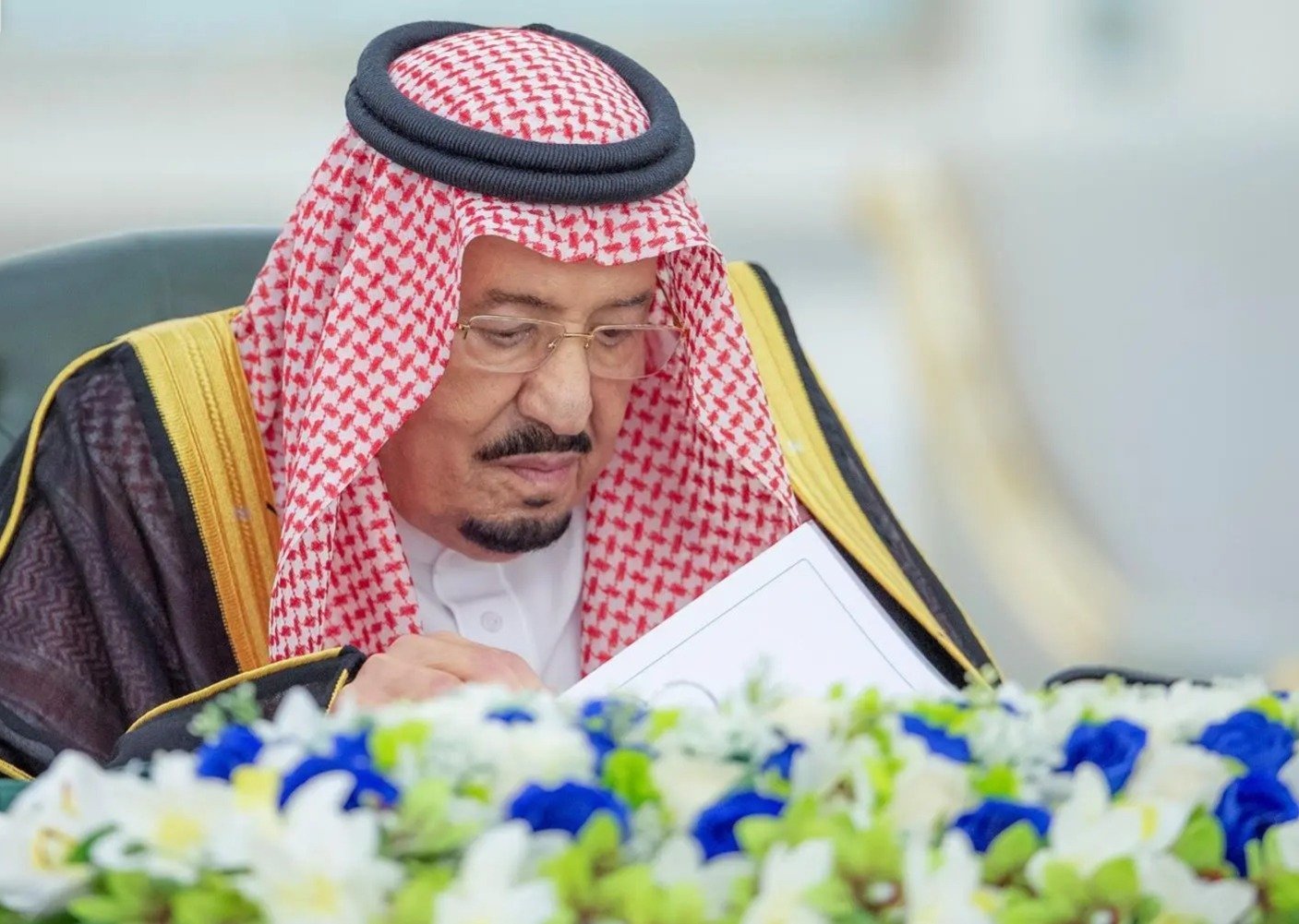
Saudi Arabia’s Cabinet strongly condemned on Tuesday what it described as baseless allegations by Yemen’s Houthi militia against the Kingdom, and reaffirmed Riyadh’s long-standing support for the Yemeni people and their internationally recognized government. King Salman bin Abdulaziz chaired the session, held in Jeddah at a moment of sharply escalating tension across the Red Sea region.
In its statement, carried by the official Saudi Press Agency, the Cabinet accused the Houthi movement of becoming embroiled in the wider regional conflict to serve its own agenda, saying the group’s choices have deepened the suffering of the Yemeni people and threatened the security and stability of the region. Ministers argued that the militia’s military escalation advances narrow factional interests rather than the welfare of ordinary Yemenis, who have endured more than a decade of war.
The Cabinet said the Kingdom would take firm measures to protect its security and its shipping, stressing that any such steps would be carried out in line with international law and the 1982 United Nations Convention on the Law of the Sea. The language was a direct response to the Houthis’ declaration a day earlier of a naval blockade against Saudi Arabia.
On Monday, the group’s military spokesman, Yahya Sarea, announced that vessels serving Saudi ports would no longer be allowed safe passage through the Bab al-Mandab Strait, the narrow chokepoint connecting the Red Sea to the Gulf of Aden. The Houthis framed the embargo as retaliation for what they called Saudi sieges of Yemeni ports and continuing airstrikes, including a strike on Sanaa International Airport. Saudi officials reject that characterization and say their operations target military infrastructure.
The declaration had immediate consequences for commercial shipping. A Chinese very large crude carrier, the Xin Long Yang, aborted its passage and turned around in the Red Sea after the announcement, and Houthi forces have reportedly been broadcasting warnings on open maritime frequencies that the strait is closed to Saudi-linked traffic. Energy analysts warn that a sustained closure of Bab al-Mandab could trap a significant share of Saudi oil exports inside the region, with some estimates suggesting global supply could fall by roughly seven percent at a time when markets are already strained by the wider confrontation with Iran.
The stakes for Riyadh are considerable. The Red Sea corridor and the Bab al-Mandab Strait carry a substantial portion of the world’s seaborne trade, and their security matters not only to Saudi Arabia but to global commerce and energy markets. The Cabinet emphasized that protecting maritime navigation in these waters remains a national priority.
The Cabinet also expressed full solidarity with Kuwait, Bahrain and Jordan over the measures those governments have taken in response to what the statement called heinous Iranian attacks, which it described as violations of international law and the principles of good neighborliness. Ministers demanded an immediate halt to all forms of military escalation in order to preserve the security of the region’s countries and their peoples.
The statement follows a pledge earlier this month by the Saudi-led coalition to use what it described as unprecedented force against Houthi threats, a sign that the confrontation may intensify before diplomacy gains traction. Mediators have been working to salvage elements of the stalled peace process, but the blockade announcement has opened a new front at a delicate moment.
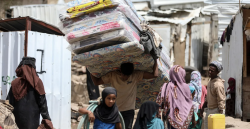
Behind the political sparring lies one of the world’s most severe humanitarian crises. United Nations agencies estimate that more than 18 million Yemenis need humanitarian assistance and that some 4.5 million people remain displaced by a civil war that erupted in 2015. Aid organizations report recurring outbreaks of cholera and measles that disproportionately strike children, while shortages of food, fuel and medicine continue to strain a health system operating far beyond its capacity.
The Saudi-led coalition, which intervened in Yemen in 2015 in support of the internationally recognized government, has itself faced scrutiny over the humanitarian consequences of its military operations. Critics argue that airstrikes and restrictions on Yemeni ports have compounded civilian suffering, a charge the Kingdom rejects, insisting its aim is to restore order and support legitimate governance. The war’s shifting alliances and multiple armed factions have repeatedly frustrated efforts at a comprehensive settlement.
Beyond Yemen, the Cabinet was briefed on a telephone call that Crown Prince Mohammed bin Salman, the Kingdom’s prime minister, received from Lebanese President Joseph Aoun, who praised Saudi support for Lebanon’s stability. The session also reviewed domestic economic indicators, noting that annual inflation has held steady at 1.8 percent and that Saudi Arabia rose to thirteenth place among global recipients of foreign direct investment in 2025, with net inflows climbing 53 percent to 32.6 billion dollars.
The outlook, however, remains clouded. As long as the Houthis and the coalition remain entrenched in opposing positions, negotiations are likely to stay frozen and the humanitarian emergency will deepen. Tuesday’s statement makes clear that Riyadh intends to hold its course: unequivocal rejection of Houthi accusations, continued backing for Yemen’s legitimate government, and a warning that it will defend its security and its sea lanes. Whether that resolve is matched by renewed diplomacy may determine if the Red Sea crisis becomes a prolonged confrontation or a turning point back toward talks.
About the Author