IMF Re-engagement Marks a Shift for Yemen’s Economy
 Yemen Herald News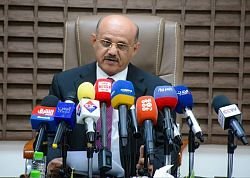
An IMF statement on Yemen has signalled renewed international engagement with the country’s economy, in a development regarded as significant for its economic trajectory amid ongoing turmoil. The involvement of the International Monetary Fund, through Article IV consultations, points to a re-engagement that could shape how Yemen interacts with the international financial community as it contends with its crisis.
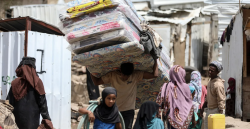
Yemen has been embroiled in conflict since 2015, a war that has produced a humanitarian crisis of immense scale. The conflict has decimated the country’s infrastructure and crippled its economy, contributing to rampant inflation, the devaluation of the currency and widespread poverty, and leaving the authorities struggling to maintain economic stability.
The Central Bank of Yemen has struggled to maintain monetary stability in the face of these challenges. The devastation of the economy, the loss of revenues and the pressures on public finances have complicated its efforts, and the resulting instability has deepened the hardship facing the population and the difficulties facing the government.
The IMF’s engagement through Article IV consultations represents a notable development, indicating a renewed interest in Yemen’s economic situation. Such consultations, a regular element of the Fund’s engagement with member countries, involve an assessment of a country’s economy and its policies, and their resumption reflects a re-engagement with Yemen after a prolonged period.
The re-engagement of the IMF carries significance for Yemen’s relationship with the international financial community. The Fund plays a central role in the international monetary system, and its engagement can influence the country’s access to support and its standing with other institutions and partners, making the development consequential for its economic prospects.
The economic challenges facing Yemen are formidable, encompassing inflation, currency devaluation and widespread poverty. Addressing these challenges requires measures to stabilise the economy and to strengthen the management of public finances, and the engagement of the IMF could contribute to efforts to advance economic stability and reform.
The role of the Central Bank of Yemen in maintaining monetary stability is central to the country’s economic situation. The bank’s efforts to manage the currency and the financial system are complicated by the conditions created by the conflict, and support for its work is important to the broader effort to stabilise the economy.
The rampant inflation that has afflicted Yemen reflects the impact of the conflict on the economy. The devaluation of the currency, the disruption of production and the loss of revenues have driven up prices, eroding the purchasing power of households and deepening poverty, and stabilising prices is central to relieving hardship.
The engagement of the IMF is often accompanied by an emphasis on reform and on the strengthening of economic institutions and policies. The Fund’s involvement can support efforts to improve the management of the economy and to address structural challenges, contributing to the broader agenda of stabilisation and recovery.
The re-engagement reflects a degree of confidence in Yemen’s institutional capacity and in its ability to engage with the international financial community. The resumption of consultations after a prolonged period suggests an assessment that engagement is feasible and worthwhile, reflecting cautious optimism regarding the country’s capacities.
The significance of the development lies in part in the potential it holds for Yemen’s economic future. Engagement with the IMF could support efforts to stabilise the economy, to advance reform and to strengthen the country’s standing with the international financial community, contributing to its prospects for recovery.
The challenges facing Yemen’s economy are unlikely to ease quickly, given the persistence of the conflict and the depth of the crisis. Addressing them will require sustained effort, reform and support, and the engagement of the IMF represents one element of the broader effort to advance economic stability and recovery.
The reliance of Yemen on international support underscores the importance of its relationships with institutions such as the IMF. With its own resources severely constrained, the country depends on the engagement of the international community, and the re-engagement of the Fund forms part of the broader web of international involvement.
The prospects for the development to translate into tangible benefits will depend on subsequent steps and on the evolving situation. Engagement with the IMF is a process, and its impact will be shaped by the measures that follow and by the broader conditions facing the economy, including the trajectory of the conflict.
The re-engagement of the IMF reflects the broader evolution of Yemen’s relationship with the international community amid its crisis. As the country contends with its economic challenges, its engagement with international institutions and partners is central to its efforts, and the involvement of the Fund represents a notable element of this engagement.
For a government seeking to shore up its credibility with donors and creditors, the symbolism of renewed IMF engagement can matter almost as much as its substance. A resumption of the Fund’s regular assessments signals to the wider financial world that Yemen’s institutions are once again producing the data and undertaking the dialogue that international engagement requires, a modest but meaningful vote of confidence in a country more often defined by its dysfunction. Whether that symbolism translates into concrete support, whether in the form of technical assistance, policy advice or, in time, financing, will depend on the path of reform and on conditions that remain, for now, hostage to the course of the war.
For now, the IMF’s statement and its engagement through Article IV consultations mark a significant development in Yemen’s economic trajectory. As the country grapples with inflation, currency devaluation and poverty, the re-engagement of the Fund represents a potential turning point in its interaction with the international financial community.
About the Author