
Floods in Yemen’s Taiz governorate have caused an estimated 15 million dollars
 Yemen Herald News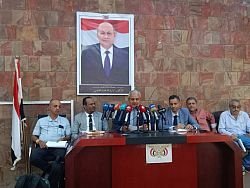
Floods in Yemen’s Taiz governorate have caused an estimated 15 million dollars in damage, according to an emergency committee assessment that has highlighted the intersection of extreme weather, damaged infrastructure and humanitarian need. The scale of the losses underscored the vulnerability of a region already strained by years of conflict to the impact of natural disasters.
The flooding was not an isolated event but part of a broader pattern of increasing climate volatility affecting the region. Combined with long-standing weaknesses in infrastructure and institutions, this volatility has heightened Yemen’s exposure to natural disasters, producing severe consequences for a population already burdened by the effects of the conflict.
According to the emergency committee’s assessment, the floods claimed 24 lives and affected more than 31,000 people, while causing extensive material damage across the affected areas. The figures reflect the human as well as the economic toll of the disaster, which struck communities already contending with hardship.
The estimated 15 million dollars in damage points to the significant economic impact of the flooding. In a country whose economy has been devastated by conflict, losses on this scale represent a serious blow, adding to the financial pressures facing communities, local authorities and a government with severely constrained resources.
Taiz, one of Yemen’s most populous governorates, has endured significant hardship during the conflict, with parts of the region affected by fighting and its population contending with the broader crisis. The flooding has compounded these difficulties, adding a natural disaster to the burdens already borne by the governorate’s residents.
The report’s emphasis on chronic food insecurity and limited access to basic services reflects the conditions that make disasters such as this one especially damaging. Where populations are already vulnerable, lacking secure food supplies and reliable services, the impact of flooding is magnified, deepening the hardship and complicating the response.
The intersection of climate factors with infrastructural weakness lies at the heart of Yemen’s vulnerability to such disasters. Inadequate infrastructure to manage water and mitigate flooding, combined with the effects of a changing climate, leaves communities exposed, and the resulting disasters can have catastrophic consequences for those affected.
The loss of 24 lives underscores the human cost of the flooding. Each death represents a tragedy for families and communities, and the toll reflects the dangers posed by floods in areas where infrastructure and preparedness are inadequate to protect populations from the impact of extreme weather.
The more than 31,000 people affected face a range of consequences, from the loss of homes and possessions to the disruption of their livelihoods and access to services. The scale of the impact places significant demands on the response, requiring assistance to support those affected in the aftermath of the disaster.
The role of the emergency committee in assessing the impact reflects the involvement of local bodies in responding to the disaster. Such assessments provide important information on the consequences of flooding, informing the response and supporting efforts to mobilise assistance for those affected by the disaster.
The characterisation of the floods as a warning of Yemen’s vulnerability reflects a broader concern about the country’s exposure to natural disasters. The combination of climate volatility, infrastructural weakness and humanitarian need creates conditions in which disasters can have severe consequences, and the flooding in Taiz illustrates this vulnerability.
The impact of the flooding adds to the demands on a humanitarian response already stretched by the scale of Yemen’s needs. Responding to the consequences of the disaster, from shelter and food to other essentials, requires resources and effort, adding to the challenges facing relief efforts in the country.
The vulnerability of infrastructure to flooding highlights the importance of investment in systems to manage water and mitigate the impact of extreme weather. Strengthening such infrastructure could help reduce the impact of future disasters, though the resources required are considerable and difficult to mobilise amid the constraints of the conflict.
The recurrence of flooding in Yemen underscores the ongoing nature of the threat. Seasonal rains can be intense, and in the absence of adequate infrastructure and preparedness, they can cause devastating floods, meaning that the vulnerability illustrated by the disaster in Taiz is likely to persist and to require sustained attention.
The consequences of the flooding, from the loss of life to the extensive material damage, reflect the compounded challenges facing Yemen. The intersection of natural disaster with the conditions created by conflict magnifies the impact, illustrating the multiple and overlapping pressures confronting the country and its people.
Local officials have appealed for support to help affected families recover and to begin repairing the damage, warning that without assistance many households will struggle to rebuild. The disaster has also renewed calls for investment in flood-defence and drainage infrastructure, which advocates argue could substantially reduce the toll of future rains. Yet such measures compete for scarce resources with the many other demands of a country at war, and officials acknowledge that, for now, the priority must be the immediate relief of those left without shelter, food or livelihoods in the aftermath of the flooding.
For now, the assessment of the flooding in Taiz stands as a stark illustration of Yemen’s vulnerability to natural disasters and of the human and economic toll they can exact. As the country contends with the intersection of climate hazards, infrastructural weakness and humanitarian need, the impact of such disasters underscores the challenges facing its recovery and the wellbeing of its population.
About the Author




