Yemen Herald Editorial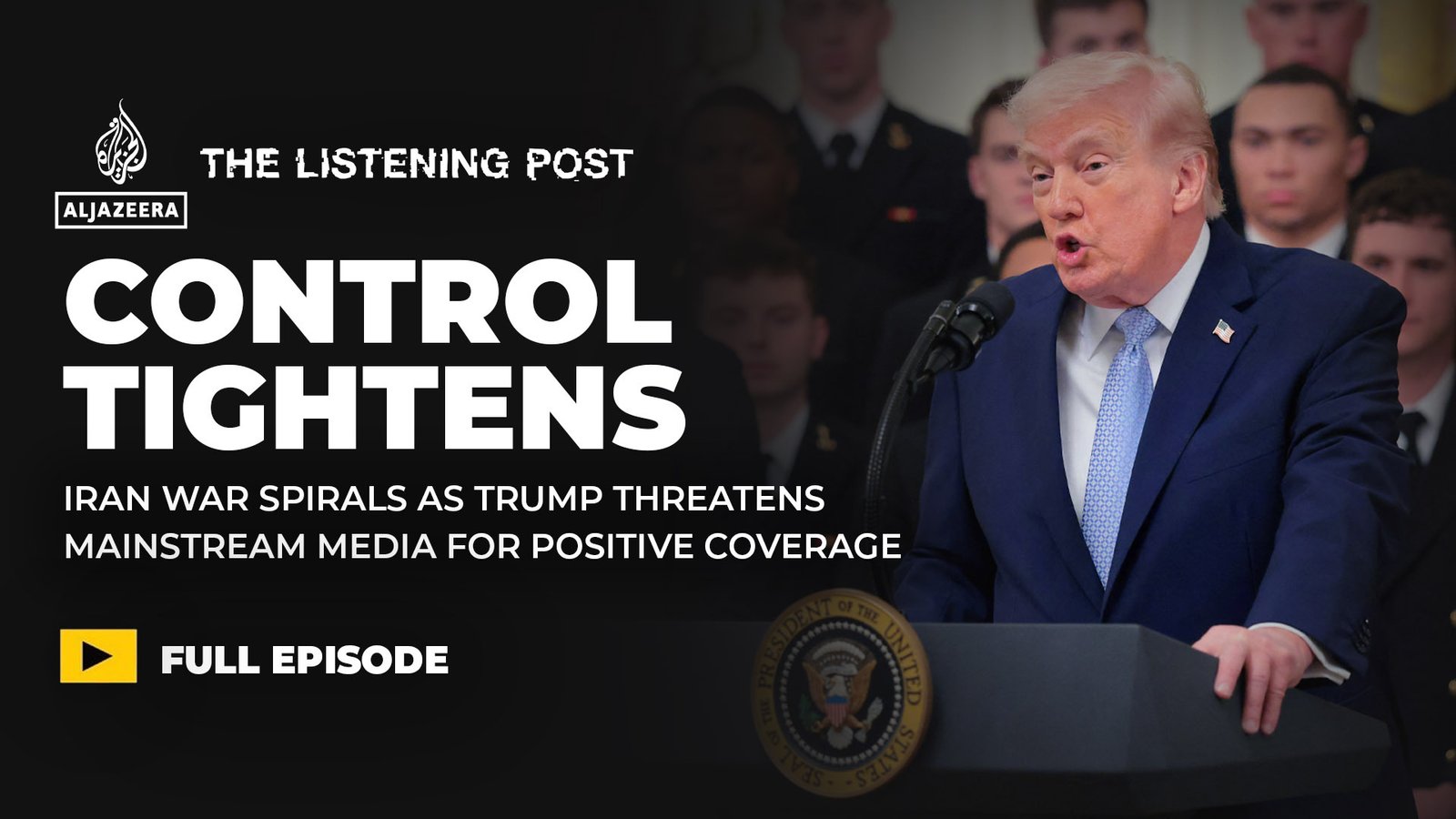
The ongoing conflict involving Iran has escalated significantly, marked by a series of high-profile assassinations targeting senior political leaders in Tehran. This surge in violence has been accompanied by a blockade of the Strait of Hormuz and extensive strikes on energy infrastructure throughout the region. The situation has drawn increased scrutiny and pressure on news organizations operating in the United States, Israel, and Iran, as they navigate the complexities of reporting on the conflict.
Recent reports indicate that three additional Iranian leaders were killed in operations attributed to Israeli intelligence. Coverage of these events has largely focused on the perceived sophistication of the Israeli operations, with limited examination of the legal implications surrounding these targeted killings. This pattern of reporting raises questions about the media’s role in framing the narrative of the conflict.
In Lebanon, the ramifications of the war are becoming increasingly dire, yet they have received scant media attention. Israel has initiated ground operations in the country, with officials suggesting intentions to transform Lebanon into a situation akin to that of Gaza. The humanitarian impact on the Lebanese population is profound, as millions face the consequences of the ongoing hostilities.
The conflict’s expansion and the tightening grip on information dissemination highlight the challenges faced by journalists and media outlets in the region. As the war continues to unfold, the need for accurate and comprehensive reporting becomes ever more critical, particularly in light of the significant geopolitical implications involved.
About the Author