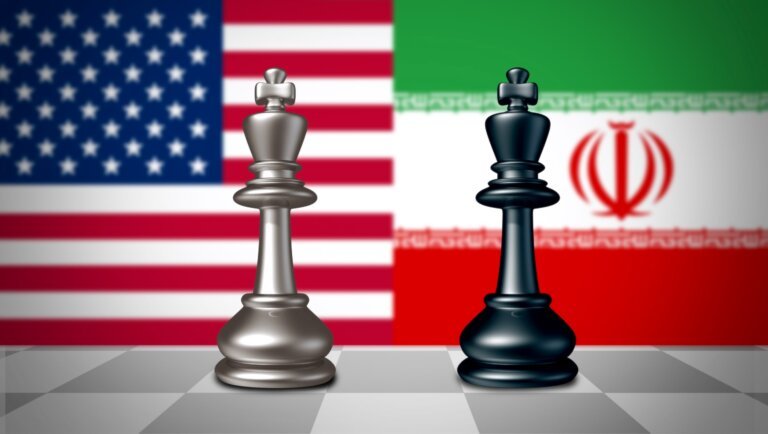
Escalating Tensions: The Geopolitical Implications of Trump’s Threats Against Iran
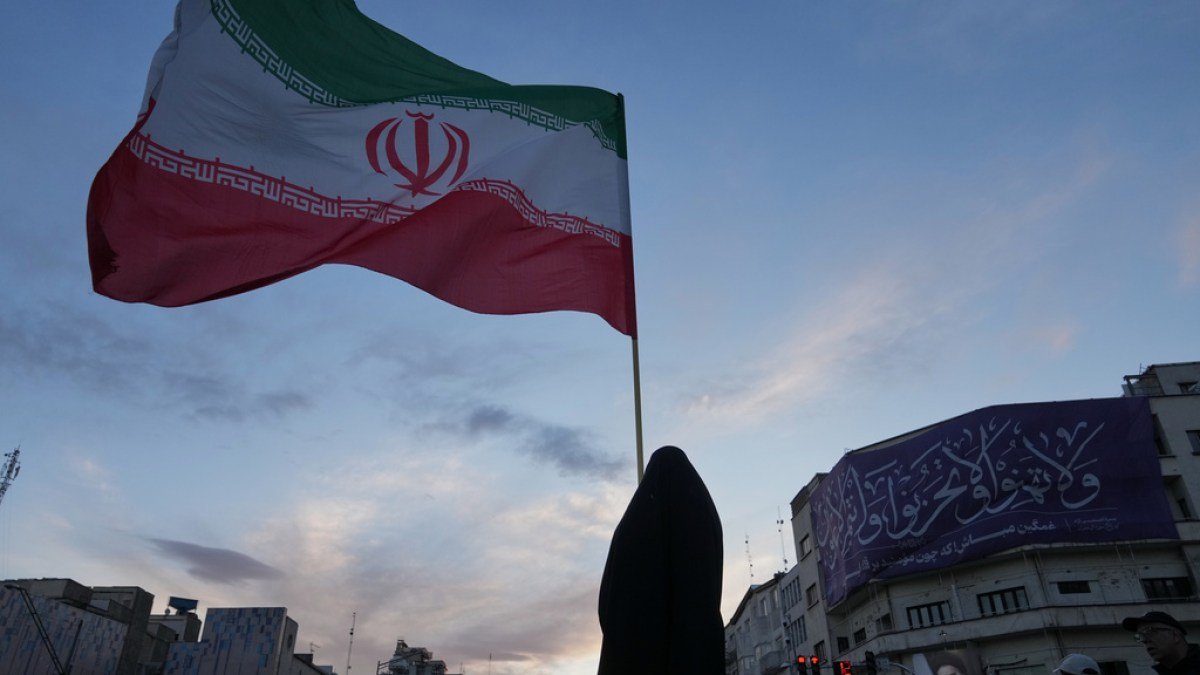
The recent threats made by former President Donald Trump to target Iran’s civilian infrastructure have ignited a firestorm of political outrage and raised critical questions about the future of U.S.-Iran relations. This situation is not merely a domestic political issue; it has profound implications for regional stability, international law, and the humanitarian crisis unfolding in the Middle East.
The geopolitical landscape of the Middle East has been fraught with tension for decades, particularly between the United States and Iran. Following the U.S. withdrawal from the Joint Comprehensive Plan of Action (JCPOA) in 2018, relations soured dramatically, leading to a series of confrontations and proxy conflicts. Iran’s strategic position, particularly its control over the Strait of Hormuz—a vital chokepoint for global oil supplies—adds a layer of complexity to any military engagement. Trump’s recent threats to obliterate Iran’s civilian infrastructure, including power plants and bridges, represent a significant escalation in rhetoric that could lead to catastrophic consequences, not just for Iran but for the entire region.
In a recent social media post, Trump threatened to carry out strikes on Iran’s civilian infrastructure if Tehran did not comply with U.S. demands regarding the Strait of Hormuz. This provocative statement, laden with expletives and religious references, has drawn sharp criticism from Democratic lawmakers who argue that such actions would constitute war crimes under international law. Prominent figures like Congresswoman Yassamin Ansari have called for invoking the 25th Amendment to remove Trump from office, citing his mental fitness for the presidency. The situation has escalated further with reports of U.S.-Israeli airstrikes that have already resulted in significant civilian casualties, including an attack on a school that killed over 170 people, predominantly children. These developments underscore the urgent need for a reevaluation of U.S. military strategy in the region.
The implications of Trump’s threats are manifold. Politically, they have galvanized opposition within the Democratic Party, with leaders like Hakeem Jeffries labeling the rhetoric as “disgusting and unhinged.” The potential for a military strike on Iran’s civilian infrastructure raises serious ethical questions and could lead to widespread condemnation from the international community. Economically, the instability in the region could disrupt oil supplies, leading to increased prices globally. Security-wise, such actions could provoke retaliatory measures from Iran, further destabilizing an already volatile region. The humanitarian impact cannot be overstated; targeting civilian infrastructure would exacerbate the suffering of ordinary Iranians, many of whom are already facing dire economic conditions due to sanctions and ongoing conflict.
From a strategic standpoint, Trump’s threats reveal a dangerous misunderstanding of the complexities involved in U.S.-Iran relations. The notion that bombing civilian infrastructure could somehow lead to a favorable outcome for U.S. interests is fundamentally flawed. It risks alienating not only Iran but also other regional players who may view such actions as violations of international law. Furthermore, the potential for escalation into a broader conflict cannot be ignored. Iran’s military capabilities, while not on par with the U.S. and Israel, are significant enough to warrant caution. The Iranian military’s ability to disrupt oil shipments through the Strait of Hormuz poses a direct threat to global energy security, and any military action could provoke a wider regional conflict.
Looking ahead, several scenarios could unfold. If Trump continues to escalate his rhetoric and actions, we could see a rapid deterioration of U.S.-Iran relations, leading to military engagement that could spiral out of control. Alternatively, if Congress intervenes and imposes checks on presidential military authority, it could lead to a de-escalation of tensions. However, the likelihood of a diplomatic resolution seems slim, given the entrenched positions of both sides. Iran’s defiance in the face of threats and its strategic maneuvers in the region suggest that it will not back down easily. The U.S. must navigate this precarious situation with a clear understanding of the potential consequences of its actions.
The threats made by Trump against Iran’s civilian infrastructure are not just reckless; they are a dangerous gamble that could have far-reaching consequences for the Middle East and beyond. As the situation unfolds, U.S. lawmakers and international leaders must prioritize diplomacy over military action. The stakes are too high for a repeat of past mistakes that have led to prolonged conflict and humanitarian crises. The world is watching, and the time for responsible leadership is now.
About the Author