Analyzing the Geopolitical Effects of Ending U.S.-Iran Hostilities
 Yemen Herald News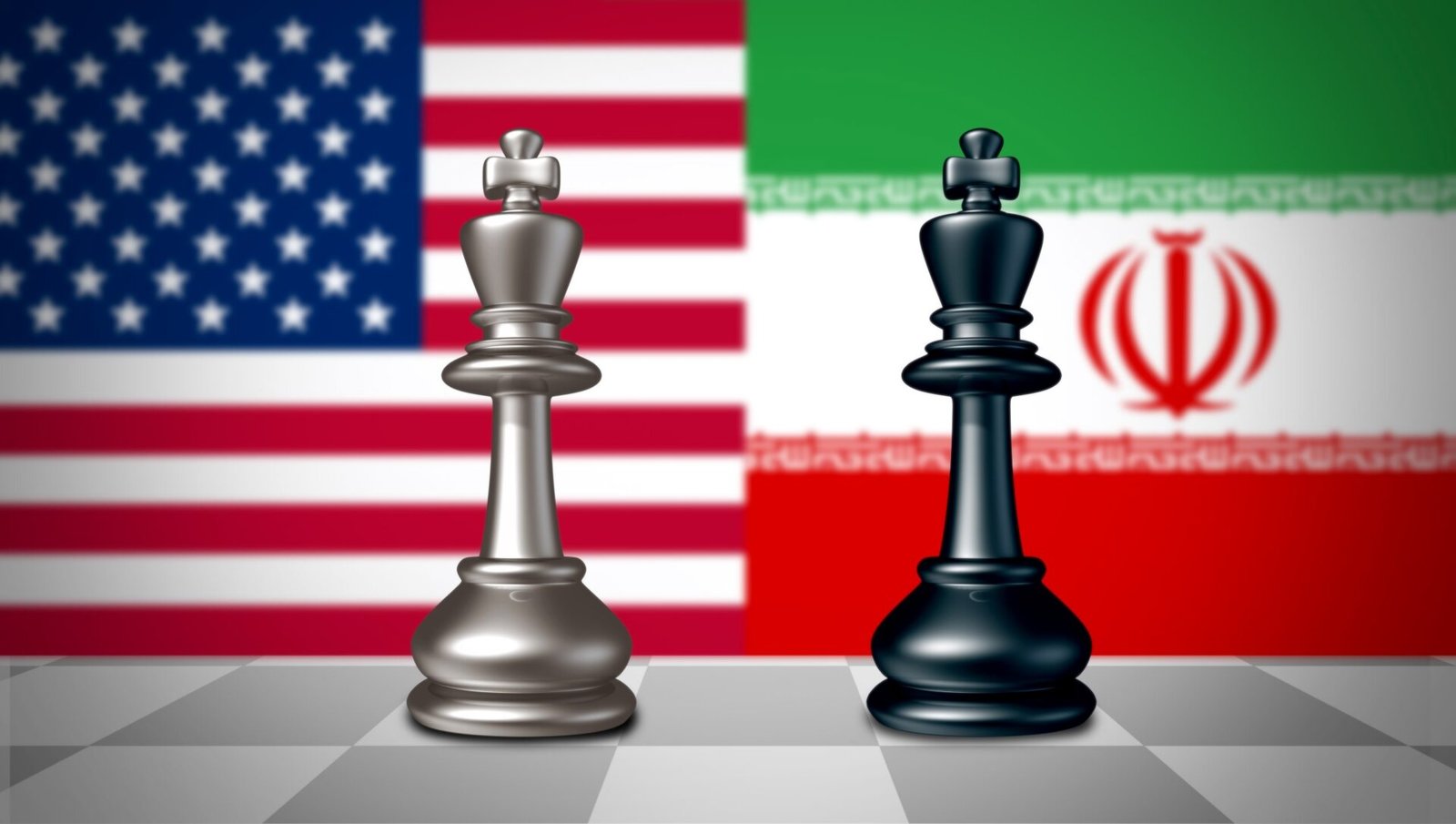
In the complicated world of international relations, few conflicts have attracted as much global attention as the ongoing tensions between Iran and the United States, along with Israeli interests in the area. If hostilities between these forces were to end, it would mean more than just a halt to armed conflict. This would trigger a range of significant consequences both in the region and around the world. Understanding the potential causes and effects of this situation reveals a complex story that extends beyond military actions to encompass geopolitical shifts, economic impacts, and social transformations.
At the heart of any analysis of ending the war against Iran is a grasp of its main causes. The conflict has roots in long-standing historical grievances, ideological differences, and strategic interests. The U.S. has seen Iran as a destabilizing factor in the Middle East since the 1979 Iranian Revolution, which turned Iran into an Islamic Republic hostile to U.S. interests. Likewise, Israel views Iran’s nuclear goals and support for militant groups as significant threats. The U.S. and Israel’s decision to take military action came from a mix of defensive needs and preemptive strategies aimed at limiting Iranian influence.
Causes of the Conflict
If this conflict were to be resolved, one major effect would be a notable geopolitical shift in the Middle East. Ending hostilities could open doors for renewed diplomatic efforts not just between Iran and its adversaries but also among other regional players. For example, countries like Saudi Arabia, which have typically resisted Iranian influence, could find common ground with Iran on security issues or economic partnerships, changing traditional alliances. This shift could result in a more stable regional order or, on the flip side, create new rivalries as power dynamics change.
Geopolitical Implications
Economically, ending the conflict could bring significant advantages. The long-lasting war has placed immense economic pressure on both Iran and its opponents. For Iran, U.S. sanctions have devastated its economy, leading to high inflation and public unrest. A resolution could help lift these sanctions, enabling Iran to reintegrate into the global economy and boost trade relationships, especially with European and Asian markets keen on Iranian oil and gas. For Israel and the U.S., shifting military spending toward economic development could improve domestic stability while encouraging positive relations with neighboring countries.
Economic Consequences
However, it is important to recognize that stopping military operations does not ensure peace or stability. The aftermath could create a power vacuum that extremist groups or rival states might exploit to fill the gap left by a reduced U.S. presence or influence in the region. Additionally, while some groups within Iran may welcome peace, hardline factions that oppose any compromise could spark further unrest or retaliatory actions against those they perceive as traitors.
Challenges to Stability
Socially and culturally, peace might lead to a revival in Iranian civil society and promote greater cultural interactions between Iran and Western nations. The end of hostilities could improve public attitudes towards diplomacy instead of military action among everyday Iranians who have endured years of conflict and economic struggles. More interactions through trade, tourism, and academic partnerships might reduce stereotypes and foster mutual understanding.
Cultural Impact
In conclusion, while ending the war against Iran by U.S. and Israeli forces holds the potential for significant change in political landscapes, economic stability, and social exchanges, it also carries risks that could undermine these benefits. Recognizing that peace is not just the absence of war, but a complex mix of factors, is essential for stakeholders seeking to navigate this intricate situation effectively. A careful approach that encourages dialogue over conflict may help pave the way for lasting peace in a historically troubled region. Ultimately, understanding these cause-and-effect relationships is key for policymakers as they imagine a future shaped not only by military strength but also by diplomacy and cooperation.
ADEL ALHADDAD
Editor-in-Chief
About the Author