Escalating Tensions: The US-Iran Maritime Standoff and Its Global Implications
 Yemen Herald News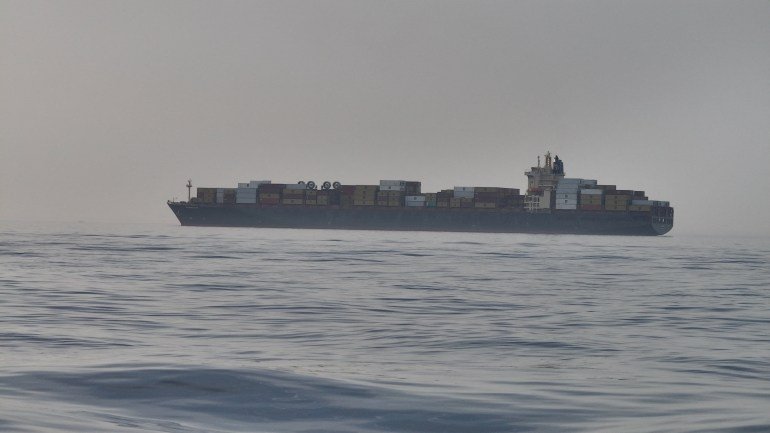
The recent tit-for-tat ship seizures between the United States and Iran mark a dangerous escalation in maritime tensions that threaten not only regional stability but also the global economy. As both nations assert their dominance in the strategically vital Strait of Hormuz, the implications for international law and global trade are profound and far-reaching.
The Strait of Hormuz is a critical chokepoint through which approximately one-fifth of the world’s oil supply passes. Historically, this narrow waterway has been a flashpoint for geopolitical conflicts, particularly between Iran and Western powers. The current maritime confrontations are rooted in a complex web of sanctions, military posturing, and a struggle for regional influence. The US has long sought to curb Iran’s influence in the Gulf, while Iran views its actions as a necessary defense against perceived aggression. The recent capture of commercial vessels by both nations underscores a troubling trend where international shipping is increasingly caught in the crossfire of geopolitical rivalries.
The International Chamber of Shipping has condemned these actions, calling for the immediate release of the crew involved. Marine director John Stawpert emphasized that the ongoing situation represents a blatant violation of international law and threatens the principle of freedom of navigation. His remarks reflect a growing concern among global shipping organizations regarding the safety of seafarers and the integrity of international maritime law.
The ramifications of this maritime standoff extend far beyond the immediate capture of vessels. Politically, the situation exacerbates tensions between the US and Iran, making diplomatic resolutions increasingly elusive. Economically, the blockage of the Strait of Hormuz has already driven up global oil prices, with reports indicating that prices have surged above $106 per barrel. This spike in fuel costs is likely to have a cascading effect on economies worldwide, particularly those heavily reliant on oil imports.
Security-wise, the ongoing confrontations pose a direct threat to the safety of maritime navigation in one of the world’s busiest shipping lanes. The International Chamber of Shipping has raised alarms about the welfare of approximately 20,000 seafarers stranded in the Gulf, facing what amounts to house arrest due to the effective closure of the strait. The psychological toll on these individuals cannot be understated as they navigate the uncertainty of their situation amidst rising geopolitical tensions.
From a strategic perspective, the current maritime crisis represents a significant power shift in the region. The US’s aggressive posture, characterized by military interventions and sanctions, is increasingly met with Iran’s defiance, as evidenced by its willingness to capture vessels. This dynamic creates a precarious balance of power, where both nations are willing to escalate tensions to assert their dominance. The implications for regional allies are profound: Gulf states may find themselves caught between the competing interests of the US and Iran, complicating their own security and economic strategies.
Moreover, the situation raises critical questions about the efficacy of international law in governing state behavior in maritime disputes. As both the US and Iran engage in actions that undermine established legal frameworks, the precedent set by these events could embolden other states to act similarly, further destabilizing global maritime security.
Looking ahead, several scenarios could unfold. If diplomatic efforts fail, we may witness an escalation of military confrontations in the Gulf, potentially leading to a broader conflict. Alternatively, both nations may recognize the unsustainable nature of their current trajectory and seek a negotiated resolution, possibly facilitated by third-party nations or international organizations. However, given the entrenched positions of both the US and Iran, such an outcome seems increasingly unlikely in the short term.
In the meantime, global markets will continue to react to the volatility in the Strait of Hormuz, with oil prices likely to remain elevated as long as the threat of further maritime confrontations persists. Governments around the world may need to implement emergency measures to mitigate the economic fallout, further complicating the geopolitical landscape.
The maritime standoff between the US and Iran is not merely a regional issue; it has significant implications for global trade, energy security, and international law. As both nations continue to assert their interests at the expense of established norms, the risk of broader conflict looms large. The international community must engage in proactive diplomacy to de-escalate tensions and restore the principle of freedom of navigation in the Strait of Hormuz. Failure to do so could lead to a crisis that reverberates far beyond the Gulf, affecting economies and security worldwide.
About the Author