Oil Prices Surge Above $106 as US-Iran Tensions Escalate in the Strait of Hormuz
 Yemen Herald News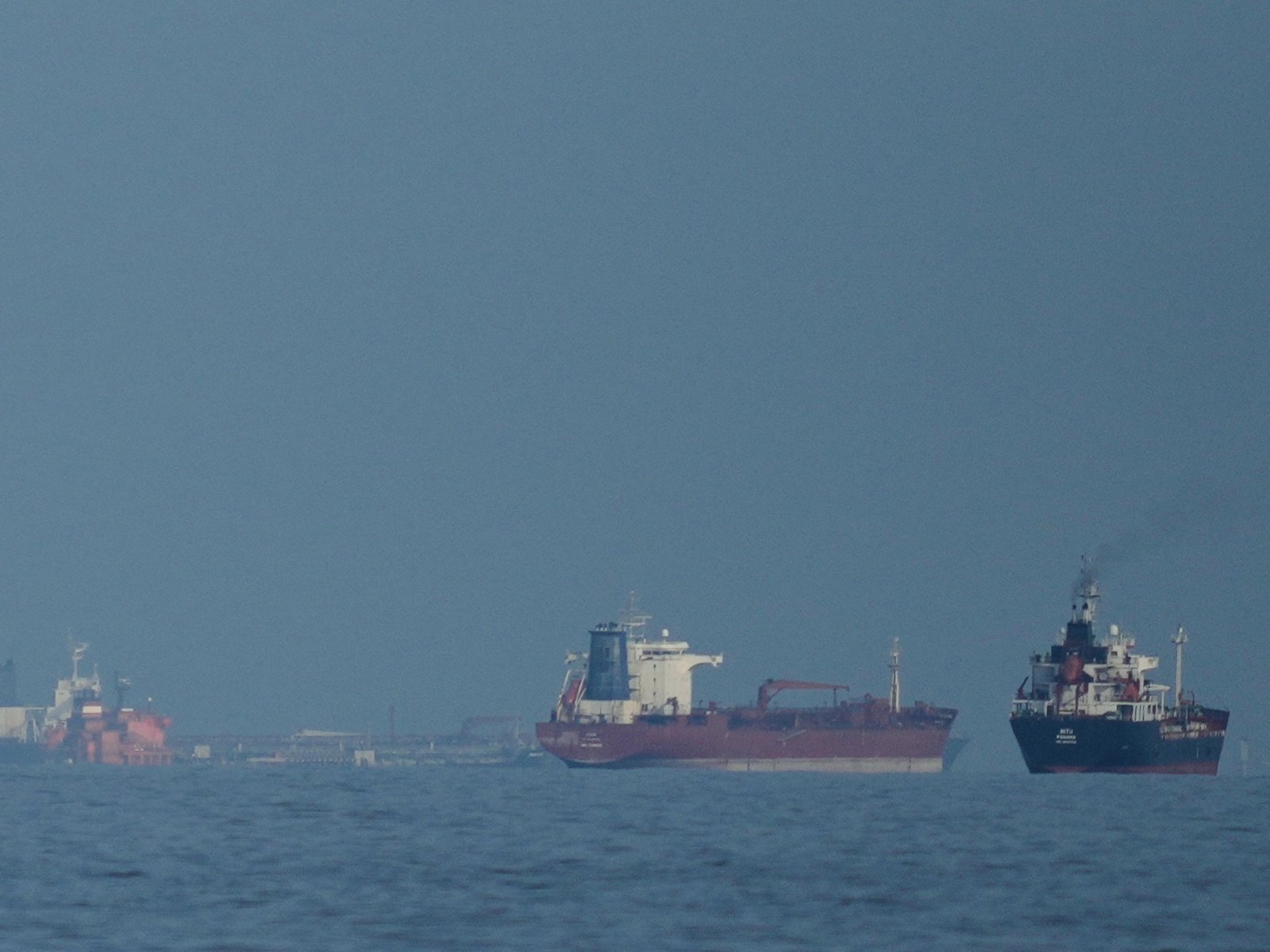
The recent spike in oil prices, now exceeding $106 per barrel, underscores a critical juncture in global energy security, driven by escalating tensions between the United States and Iran in the strategically vital Strait of Hormuz. This situation not only threatens the stability of oil markets but also poses significant geopolitical risks that could reverberate across the Middle East and beyond.
The Strait of Hormuz is a narrow passageway that serves as a conduit for approximately one-fifth of the world’s oil supply. Historically, the region has been a flashpoint for geopolitical tensions, particularly between the US and Iran. The current crisis is rooted in a series of provocations, including the US’s recent naval maneuvers and Iran’s aggressive posturing, which have escalated into a dangerous game of brinkmanship. The backdrop to these tensions includes the ongoing fallout from the US withdrawal from the Iran nuclear deal and the subsequent imposition of stringent sanctions on Iranian oil exports. This has not only crippled Iran’s economy but has also intensified its resolve to assert control over its maritime borders, leading to confrontations that threaten global energy stability.
Recent developments have seen both nations engaging in tit-for-tat actions that have further strained relations. The US Navy’s seizure of an Iranian oil tanker and President Trump’s declaration that no vessel can transit the Strait of Hormuz without US approval mark a significant escalation. In response, Iran’s Islamic Revolutionary Guard Corps (IRGC) has captured foreign vessels, claiming they endangered maritime security. This cycle of provocation has resulted in a drastic reduction in commercial shipping traffic through the strait, with only 9 vessels transiting on a recent day, compared with an average of 129 before tensions escalated. The implications of these actions are profound, as they not only disrupt oil supply chains but also instill fear in shipping companies, leading to increased insurance costs and potential rerouting of vessels.
Impact Analysis
The immediate impact of these developments is a surge in oil prices, which have risen nearly 5 percent in a single day. This spike is not merely a reflection of market speculation; it is indicative of the real-world consequences of geopolitical instability. Higher oil prices will inevitably lead to increased costs for consumers and businesses, potentially stoking inflation in economies already grappling with post-pandemic recovery. Furthermore, volatility in oil markets could destabilize economies heavily reliant on oil exports, particularly in the Gulf region. The security implications are equally concerning, as heightened military presence in the region raises the risk of miscalculations that could lead to armed conflict, further exacerbating the humanitarian crises in countries like Yemen, which is already suffering from the repercussions of regional power struggles.
From a strategic perspective, the current standoff between the US and Iran represents a significant shift in the Middle East’s power dynamics. The US’s assertive stance, coupled with Iran’s defiance, signals a potential realignment of alliances and enmities in the region. Countries that rely on the stability of the Strait of Hormuz, such as Saudi Arabia and the UAE, may find themselves caught in the crossfire, forced to navigate a complex landscape of shifting allegiances. The risk of a broader conflict looms large, as both nations possess the capability to escalate military actions rapidly. Moreover, the involvement of other regional players, including Israel, complicates the situation further, as they may seek to exploit the chaos to advance their own strategic interests. The potential for a misstep leading to a wider conflict cannot be overstated, as the stakes are high for all involved.
Looking ahead, several scenarios could unfold. If the US maintains its current posture, we may see an increase in military confrontations, which could lead to a blockade of the Strait of Hormuz, severely impacting global oil supplies. Conversely, if diplomatic channels are reopened, there may be a chance for de-escalation, though this seems unlikely given the current rhetoric from both sides. The Iranian regime, facing internal pressures and economic hardship, may feel compelled to adopt a more aggressive stance to rally domestic support. Alternatively, a significant incident, such as an attack on a commercial vessel, could trigger a military response from the US, leading to a full-blown conflict. The ramifications of these developments will extend far beyond the region, affecting global energy markets and international relations.
The situation in the Strait of Hormuz is a critical flashpoint that demands urgent attention from global leaders. The interplay of military posturing, economic interests, and geopolitical rivalries creates a precarious environment that could easily spiral out of control. As oil prices continue to rise, the world must grapple with the implications of a potential conflict that could reshape the geopolitical landscape of the Middle East. The stakes are high, and the time for decisive action is now, lest we find ourselves facing a crisis that could have been averted.
About the Author