EU gives UNFPA 3 million euros as Yemen appeal stands at 18 per cent funded
 Yemen Herald News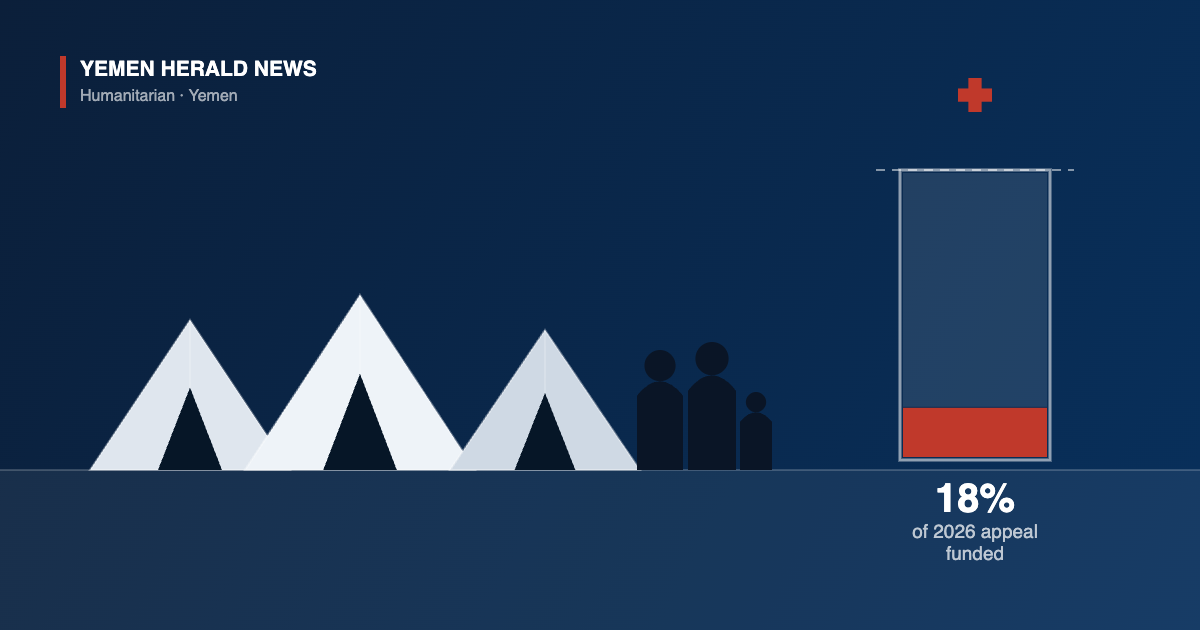
SANAA, Yemen — The European Union has given UNFPA 3 million euros to fund reproductive health and protection services for women and girls in Yemen, the two bodies said.
The contribution was announced on 27 August in a joint statement from UNFPA, the United Nations sexual and reproductive health agency, and the European Commission’s humanitarian aid department.
The money will reach nearly a quarter of a million women and girls, including displaced people, across Yemen’s south-eastern governorates, according to the statement. It covers emergency relief, reproductive health care, protection work and mental health support.
Yemen Herald could not independently confirm the allocation. The account rests on the joint UNFPA and European Union statement, and no independent confirmation of the figures has been published.
The statement sets out four uses for the money.
UNFPA said it would deliver immediate assistance to newly displaced people through the Rapid Response Mechanism, a United Nations scheme the agency leads.
It said it would maintain emergency obstetric care at 10 health facilities in areas it ranks as having the most severe needs.
The agency also said it would run protection work, legal aid and psychosocial support across eight safe spaces for women and girls.
Trauma and mental health care will be provided through one specialised centre, it said.
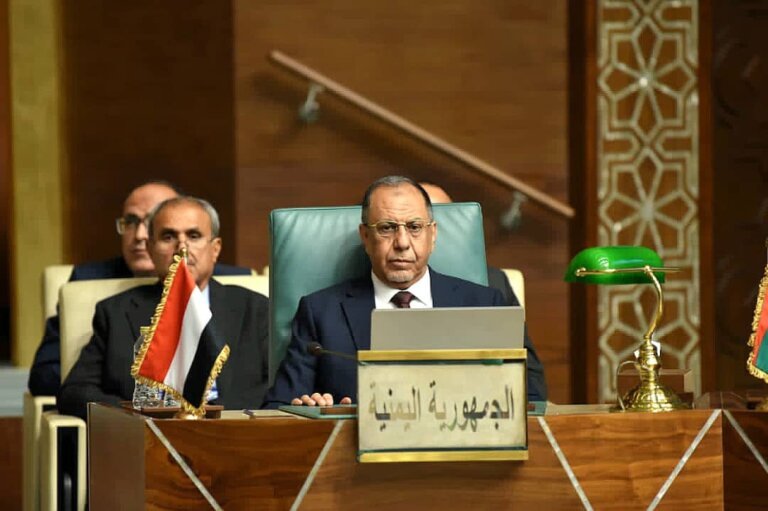
“The European Union remains steadfast in its commitment to supporting the people of Yemen, particularly those most affected by the humanitarian crisis,” said Patricia Mirella Hoorelbeke, acting head of the EU Humanitarian Aid office.
She said the contribution would allow women and girls to reach health, protection and mental health services.
Francesco Galtieri, the UNFPA representative in Yemen, said the partnership with the European Union had kept health care and protection services running “even in the most difficult circumstances.”
UNFPA put the wider need at nearly 11 million women and girls requiring humanitarian assistance.
An estimated 662,000 pregnant women need reproductive health services, the agency said.
Fewer than half of births in Yemen take place in a health facility, according to the statement, which said complications in pregnancy and delivery therefore risk fatal outcomes.
More than 6.2 million women and girls lack basic protection services, UNFPA said. It put the number of people needing urgent mental health support at seven million.
The agency attributed the scale of need to more than a decade of conflict, economic collapse and climate shocks, which it said had displaced 5.2 million people across the country.
That displacement figure matches the estimate carried in the United Nations humanitarian needs and response plan for Yemen published in March 2026.
UNFPA said it requires 71.9 million dollars for its Yemen programme in 2026 and has received 18 per cent of that sum.
The shortfall threatens the closure of health facilities, safe spaces and the Rapid Response Mechanism in the coming months, the agency said.
It called on donors to sustain and scale up support.
The European Union has given UNFPA more than 60 million euros for its Yemen work since 2018, reaching more than 6 million people, according to the statement.
The bloc’s humanitarian aid is administered through the European Commission’s Directorate-General for European Civil Protection and Humanitarian Aid Operations, known as ECHO.
The European Union made a larger single contribution in October 2023, when it gave UNFPA 10 million euros for Yemen.
UNFPA said at the time that the money would support emergency obstetric and maternal health care at 52 health facilities and mental health services at two specialised psychological care centres.
The agency then put the number of women and girls needing reproductive health and protection services at 12.6 million, and the displaced population at more than 4.5 million.
Janez Lenarčič, then the European commissioner for crisis management, said in that statement that the bloc would continue to stand by Yemenis, and called on the parties to the conflict to allow the delivery of assistance.
That 2023 statement was issued from Sanaa on 12 October. UNFPA said then that while seven million people in Yemen needed mental health treatment, only 120,000 had uninterrupted access to such care.
The agency reported at the time that fewer than half of births were assisted by skilled medical personnel and that only one third took place in a health facility.
It said nearly 200,000 people had been affected by torrential rains and flooding since the start of 2023.
Natalia Kanem, then the UNFPA executive director, said in that statement that women and girls were paying an unacceptable price in humanitarian crises around the world, including in Yemen.
UNFPA describes itself as the sole provider of essential reproductive health medicines in Yemen, and says it coordinates the provision of reproductive health and protection services across the country.
The March 2026 response plan recorded more than 22 million people in Yemen as needing assistance, and sought 2.16 billion dollars to reach 12 million of them.
It listed 18.3 million people as acutely food insecure and more than 2.2 million children under five as acutely malnourished, 516,157 of them severely.
UNFPA works in more than 150 countries. The August release was distributed through ReliefWeb on 27 August and republished by the United Nations regional information centre for Western Europe the following day.
The joint statement gave a UNFPA communication specialist in Yemen and an ECHO regional information officer as its contacts for further detail.
About the Author