EU Highlights the Role of Yemeni Women in Recovery on Women’s Day
 Yemen Herald News
The European Union has highlighted the role of Yemeni women in the country’s recovery and peace-building efforts, marking International Women’s Day with a statement stressing their importance to Yemen’s future. The bloc said women in Yemen are not only caretakers and community supporters but also vital contributors to the political and economic life of the country, whose resilience and leadership are essential to national recovery.
The European Union affirmed its commitment to empowering women as part of its broader engagement in Yemen, situating support for women within its wider strategy of assistance. It framed the advancement of women not as a peripheral concern but as integral to the country’s recovery and to the prospects for a durable peace.
Since 2015, the bloc noted, it has provided nearly 2 billion euros in support to Yemen, spanning humanitarian, development and political initiatives. It said it integrates gender equality across its programmes, seeking to ensure that women benefit equally from the various forms of assistance it provides, from relief to longer-term development.
The support highlighted by the European Union includes assistance for female teachers, entrepreneurs and civil society leaders, as well as approaches in creative industries intended to foster economic opportunities for women. Such support reflects an effort to enable women to participate in and contribute to the economic and social life of the country.
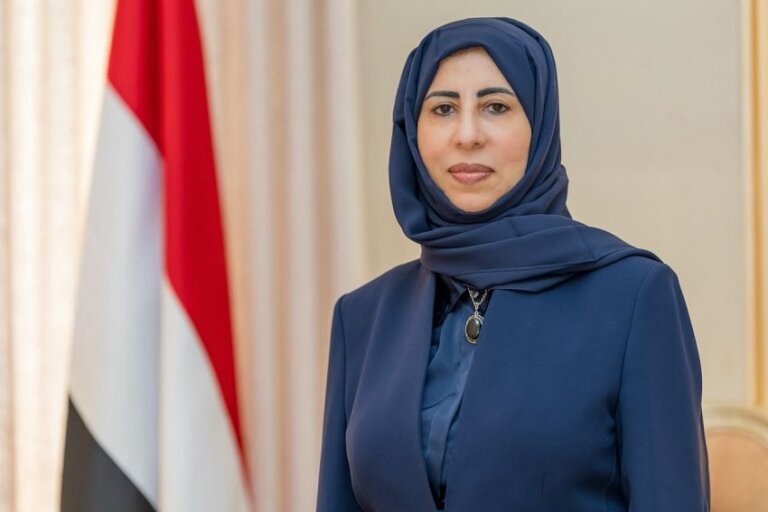
The statement also noted the recent appointment of three female ministers in the government, a development reflecting the participation of women in the country’s political leadership. The inclusion of women in senior government positions is significant both symbolically and practically, reflecting a measure of progress in their political participation.
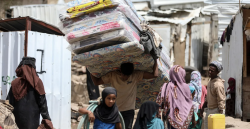
The position of women in Yemen has been profoundly shaped by the conflict. Women have borne a heavy share of the burden of the war, often assuming responsibility for households and communities amid displacement and hardship, while their formal participation in public life has frequently been limited, making support for their empowerment both timely and important.
The framing of women as vital contributors to the political and economic landscape reflects a recognition of their potential role in the country’s future. Beyond their role in sustaining families and communities during the conflict, women represent a significant resource for recovery and development, and their inclusion is widely regarded as essential to effective and durable progress.
The linkage of women’s empowerment to peace-building reflects an international consensus on the importance of women’s participation in peace processes. The recognition that women have a vital role to play in building and sustaining peace has become a prominent theme in international approaches to conflict, and it resonates in the Yemeni context.
The European Union’s integration of gender equality across its programmes reflects an approach that seeks to ensure that assistance benefits women as well as men. Mainstreaming gender considerations into humanitarian and development work helps ensure that the specific needs and roles of women are taken into account, enhancing the effectiveness and equity of assistance.
The support for female teachers, entrepreneurs and civil society leaders addresses different dimensions of women’s participation. Enabling women to work in education, to engage in economic activity and to take part in civil society supports their contribution across multiple spheres, strengthening their role in the life of the country and its recovery.
The emphasis on economic opportunities, including through creative industries, reflects the importance of women’s economic participation. Access to opportunities to earn a living and to contribute economically is central to women’s empowerment and independence, and fostering such opportunities supports both individual women and the broader economy.
The appointment of female ministers represents a notable development in the participation of women in Yemen’s political leadership. While the challenges facing women’s political participation remain considerable, the presence of women in senior government positions reflects a measure of inclusion and provides a visible example of women’s engagement in leadership.
The scale of the European Union’s support for Yemen, approaching 2 billion euros since 2015, reflects the bloc’s significant engagement with the country. Its assistance across humanitarian, development and political domains has made it an important partner, and its integration of gender considerations reflects the priority it attaches to the situation of women.
Realising the empowerment of women in Yemen faces considerable challenges, from social barriers to the disruptions of conflict. Sustained effort and support will be needed to advance women’s participation and to address the obstacles they face, and the European Union’s commitment reflects an engagement with these long-term challenges.
The occasion also served as an opportunity to acknowledge the often-invisible ways in which Yemeni women have held communities together through the war. As men have been drawn into the fighting, killed or displaced, women have increasingly become the mainstay of households and local economies, managing scarce resources, sustaining networks of mutual support and keeping children in school where they can. Advocates argue that this expanded role, forged in adversity, has quietly reshaped expectations about what women can and should do in public life, and that recognising and building upon it, rather than allowing it to be reversed once the crisis eases, will be among the tests of whether Yemen’s eventual recovery is a genuinely inclusive one.
For now, the European Union’s statement on International Women’s Day underscored the importance it attaches to the role of Yemeni women and to their empowerment. As Yemen looks toward recovery and peace, the participation and contribution of women are likely to remain an important consideration in efforts to build a more inclusive and stable future.
About the Author