
Masam Warns Floods May Scatter Landmines Across Yemeni Governorates
 Yemen Herald News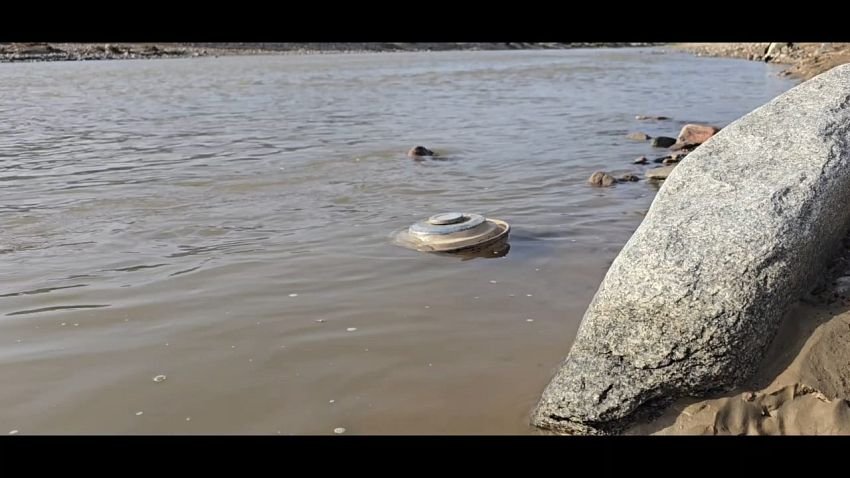
Floods in Yemen could displace landmines into populated areas, the Masam project has warned, following heavy rainfall that has affected several governorates. The Saudi-run demining initiative cautioned that torrential rains in regions including Marib, Shabwa, Al-Jawf, Taiz and Al-Hodeidah had caused flooding capable of moving mines and remnants of war into residential areas, roads and valley channels, heightening the danger to civilians.
In its statement, Masam urged the public to exercise extreme caution in light of these developments. The organisation warned that floodwaters could carry explosives, which might be concealed beneath mud, rocks or debris, making them particularly hazardous to unsuspecting individuals who could encounter them without warning in unexpected places.
Citizens were advised to avoid approaching or touching any suspicious objects they might come across. The project also issued safety guidance aimed at reducing risks, recommending that people steer clear of flood paths and of areas recently affected by flooding, where displaced ordnance might have come to rest.
The warning highlights a particularly insidious consequence of the interaction between Yemen’s landmine contamination and its vulnerability to extreme weather. Mines and unexploded ordnance are typically laid or left in specific locations, and mapping and clearance efforts depend on knowing where they are. Flooding that moves these devices undermines such knowledge, spreading the danger unpredictably.
Yemen is considered one of the most heavily mined countries in the world, a legacy of years of conflict during which large quantities of mines and explosive remnants of war have been left across the country. These devices pose a persistent threat to civilians long after fighting subsides, and the risk is compounded when they are moved from their original locations.
The governorates named in the warning have all been affected by the conflict and its aftermath, and several have experienced significant contamination. The movement of mines by floodwaters into populated areas, roads and valleys, routes and places where people live and travel, sharply increases the likelihood of accidental encounters with deadly consequences.
Flooding is a recurring hazard in parts of Yemen, where seasonal rains can be intense and where infrastructure to manage them is often lacking. The combination of this natural hazard with the presence of landmines creates a compounded danger, illustrating how environmental and conflict-related risks can intersect to endanger vulnerable populations.
The concealment of explosives beneath mud, rocks or debris, as Masam warned, makes the danger especially acute. Devices that might otherwise be visible and avoidable can be hidden by the aftermath of flooding, and people going about their daily lives, including returning to their homes or fields, may unknowingly come into contact with them.
The advice to avoid suspicious objects reflects standard guidance for populations living amid the threat of mines and unexploded ordnance. Public awareness of the risks and of the appropriate precautions is an important element of efforts to reduce casualties, particularly in situations where the location of devices has become uncertain.
The Masam project, run by the King Salman Humanitarian Aid and Relief Center, has been engaged in extensive demining work across Yemen, clearing large numbers of mines and explosive devices. Its warning reflects both its expertise in the field and its role in raising awareness of the dangers posed by contamination, complementing its clearance operations.
Awareness-raising of this kind is a vital complement to physical clearance. While demining teams work to remove devices, educating the public about risks and precautions helps protect people in areas that have not yet been cleared or where, as in this case, the situation has been altered by flooding, reducing the likelihood of casualties.
The human cost of landmines in Yemen has been severe, with mines and explosive remnants of war having killed and injured many civilians, including children, women and the elderly. Each incident represents a tragedy, and warnings such as this one are aimed at preventing further casualties among a population already burdened by the effects of conflict.
The displacement of mines by flooding also poses challenges for demining efforts themselves. Clearance depends on identifying and locating devices, and the movement of mines complicates this task, potentially requiring areas previously assessed to be reassessed and adding to the difficulty and duration of the work of making the country safe.
The warning underscores the long-term nature of the threat posed by landmines in Yemen. Even as clearance efforts continue, the vast scale of contamination means that the danger will persist for years, and events such as flooding can renew and redistribute the risk, highlighting the enduring challenge of protecting civilians from explosive hazards.
The timing of such warnings often coincides with Yemen’s rainy seasons, when the risk is greatest and when displaced families and farmers are most likely to be on the move. Aid workers note that children are especially vulnerable, drawn by curiosity to unfamiliar objects washed into their surroundings. For communities that have begun to return to areas once cleared of mines, the prospect of fresh contamination carried in by floodwaters is a particular source of anxiety, and it reinforces the importance of prompt reporting of suspicious objects to demining teams so that newly displaced ordnance can be located and safely removed.
For now, Masam’s warning served as an urgent reminder of the dangers facing communities in the affected governorates. As Yemenis contend with the aftermath of flooding, the added threat of displaced mines underscores the importance of caution and awareness, and the continuing need for demining and risk-education efforts across the country.
About the Author




