Defense Minister Reviews Second Military Region’s Readiness in Mukalla
 Yemen Herald News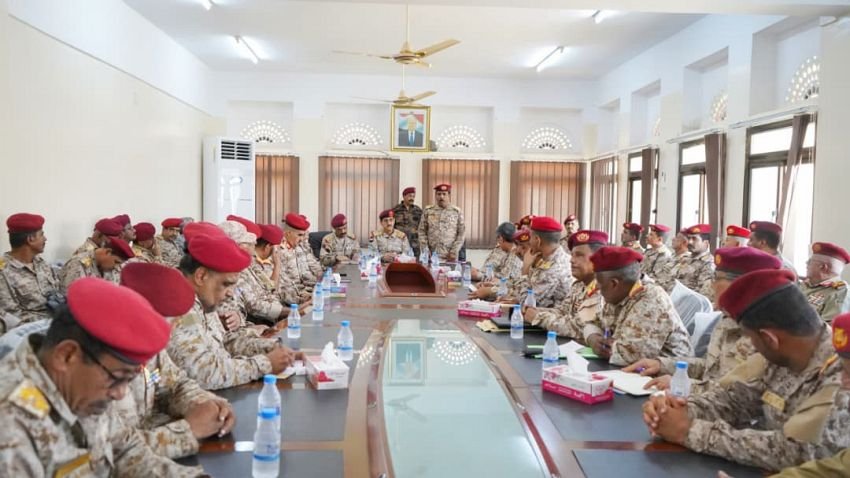
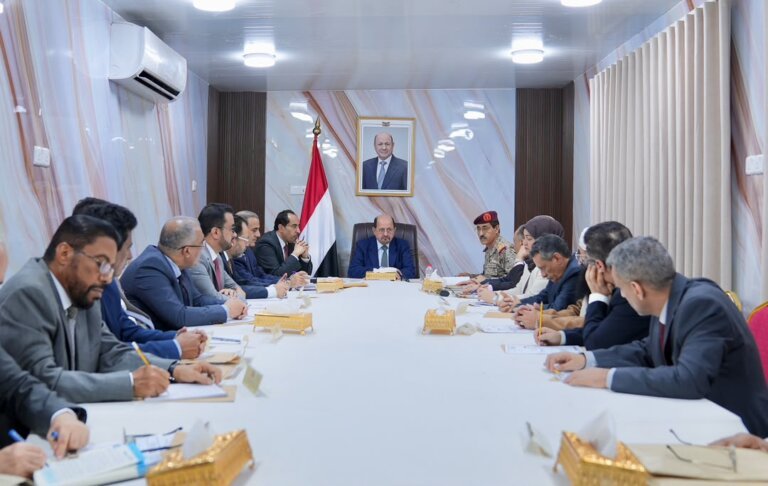
Yemen’s Defence Minister has reviewed the readiness of the Second Military Region during a field visit to Mukalla. In a meeting with the region’s command, Lieutenant General Dr. Taher Al-Aqili assessed the state of military units and discussed measures to improve combat readiness, part of a broader effort to strengthen the capabilities of the armed forces.
The discussions centred on the operational challenges facing the Second Military Region, including the specific requirements of its units and the steps needed to bolster both logistical and combat capabilities. The aim, officials indicated, is to ensure that the armed forces are fully equipped to fulfil their national responsibilities effectively.
During the visit, Al-Aqili received a comprehensive briefing from the region’s leadership on the performance and discipline of troops, as well as the principal obstacles they face. He emphasised the ministry’s commitment to addressing these challenges and to supporting the units in carrying out their duties.
Field visits of this kind allow senior officials to assess conditions directly and to engage with commanders and troops on the ground. Such engagement can provide a clearer understanding of the challenges facing military units, inform decisions about resources and priorities, and convey the leadership’s attention to the concerns of those serving in the field.
The Second Military Region encompasses part of eastern Yemen, including the Hadramout area, a vast and strategically significant region. Its effective functioning is important both to the security of the area and to the broader capabilities of the armed forces, making the readiness of its units a matter of consequence for the government.
Mukalla, the setting for the visit, is the principal city of the Hadramout coast and has experienced its own turbulent history during the conflict. The city was occupied by extremist militants for a period before being retaken, an episode that underscored the security challenges facing the region and the importance of capable military and security forces.
Combat readiness, the focus of the discussions, refers to the preparedness of military units to carry out their missions effectively. Maintaining readiness requires attention to training, equipment, logistics, morale and discipline, and assessing and improving it is a central concern for military leadership seeking to ensure that forces can respond to threats.
The emphasis on logistical capabilities reflects the importance of the systems that support military operations. Logistics, encompassing supply, transport, maintenance and other functions, are essential to the ability of units to operate and sustain themselves, and strengthening these capabilities is often as important as enhancing combat power itself.
The attention to the discipline and performance of troops points to the human dimension of military effectiveness. Well-disciplined and capable personnel are essential to the functioning of any armed force, and the leadership’s focus on these aspects reflects an awareness of their importance to the overall readiness and reliability of the units.
The operational challenges referenced in the meeting are considerable in the context of Yemen’s conflict. The armed forces operate in a demanding environment, contending with the legacy of years of war, resource constraints and a complex security landscape, and addressing the obstacles they face is essential to enhancing their effectiveness.
Strengthening the capabilities of the armed forces is central to the government’s efforts to assert its authority and maintain security. Capable military forces are essential to countering threats, protecting territory and supporting stability, and building their capacity through attention to readiness, equipment and support is a priority for the government.
The ministry’s commitment to addressing the challenges facing military units, as expressed by the minister, reflects the government’s recognition of the importance of the armed forces. Supporting the forces with the resources and attention they require is essential to enabling them to fulfil their responsibilities, though doing so amid the constraints of the conflict is difficult.
The security of eastern Yemen, including the Hadramout region, carries significance for the country as a whole. The region’s stability is important both for its own population and for the broader security environment, and the readiness of the forces responsible for it is a factor in maintaining that stability.
Efforts to enhance military readiness form part of the broader work of building the institutions of the state. Alongside the civilian institutions responsible for governance and services, capable security forces are essential to the functioning and stability of the state, and strengthening them is an important element of the government’s agenda.
The eastern regions guarded by the Second Military Region also sit close to some of Yemen’s most valuable economic assets, including oil and gas fields and a long stretch of coastline, giving their security an economic as well as a strategic dimension. Protecting infrastructure, deterring the resurgence of extremist groups and maintaining order across sparsely populated terrain place particular demands on the forces stationed there. Reviews of readiness such as the one conducted by the minister are intended to ensure that units are prepared for this range of tasks, and that shortfalls in equipment, training or logistics are identified and addressed before they can undermine the region’s stability or the wider security of the country.
For now, the visit by Al-Aqili to the Second Military Region reflected the ministry’s focus on assessing and improving the readiness of the armed forces. As Yemen continues to face security challenges, the capabilities of its military units remain an important consideration, and engagement of this kind reflects the leadership’s attention to strengthening them.
About the Author