Mohamed Salah’s Departure: A Turning Point for Liverpool and the Premier League Landscape
 Yemen Herald News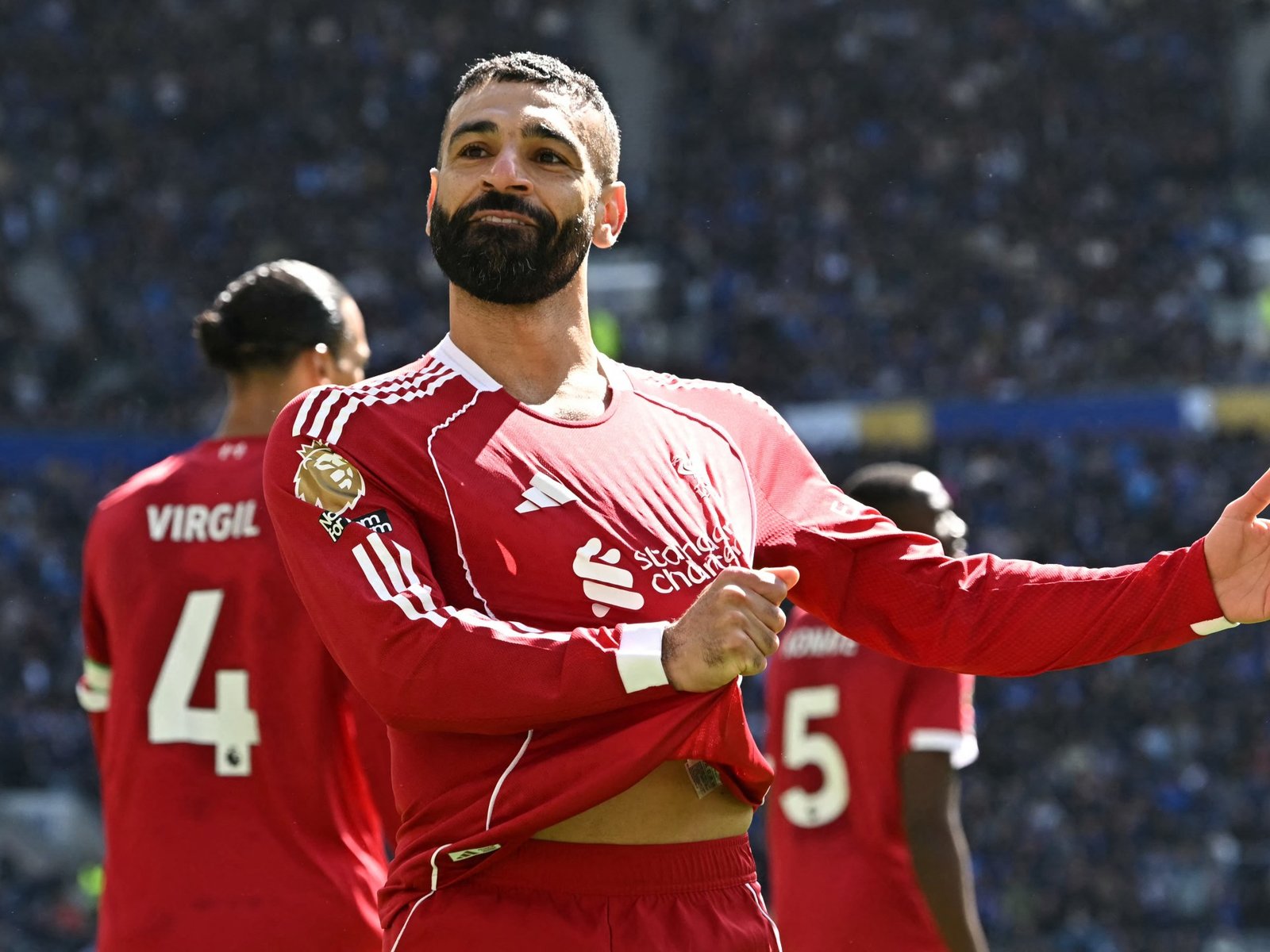
The recent Merseyside derby, marked by Mohamed Salah’s farewell goal, signifies more than just a victory for Liverpool; it heralds a pivotal moment in the club’s trajectory and the broader Premier League dynamics. Salah’s impending departure raises critical questions about Liverpool’s future and the competitive landscape of English football.
As one of the most prolific forwards in Premier League history, Mohamed Salah’s influence on Liverpool cannot be overstated. Since his arrival in 2017, Salah has transformed the club’s fortunes, leading them to a Champions League title and a Premier League crown. His ability to score and create opportunities has made him a linchpin in Jürgen Klopp’s tactical setup. However, with Salah announcing his exit at the season’s end, Liverpool faces a significant challenge in maintaining its competitive edge in both domestic and European competitions.
The recent Merseyside derby showcased Salah’s enduring quality, as he scored the opener in a 2-1 victory against Everton. This match was not just another chapter in the storied rivalry; it was a poignant farewell to a player who has become synonymous with Liverpool’s recent successes. Salah’s goal, which brought him level with Steven Gerrard as the top scorer in Merseyside derbies, was a testament to his legacy. Virgil van Dijk’s late winner further emphasized the importance of team cohesion as Liverpool aims to secure a Champions League spot for next season.
The implications of Salah’s departure extend beyond the pitch. Economically, Liverpool stands to lose a significant revenue stream associated with Salah’s brand and merchandise sales. His departure could also affect the club’s attractiveness to potential signings, as top players often seek to join teams with established stars. Politically, within the context of the Premier League, Salah’s exit could shift the balance of power, allowing rival clubs to capitalize on Liverpool’s potential instability. The psychological impact on the squad, as they adjust to life without their talisman, cannot be underestimated, especially as they navigate the pressures of a tight race for Champions League qualification.
From a strategic standpoint, Liverpool must now reassess its approach to recruitment and player development. The club has historically relied on a mix of established stars and emerging talents, but replacing a player of Salah’s caliber will require astute decision-making. The risk of a transitional phase looms large, as the team grapples with the dual challenge of maintaining performance levels while integrating new players. Furthermore, Salah’s departure could embolden rivals like Manchester City and Chelsea, who are always on the lookout to exploit any signs of weakness in their competitors.
Looking ahead, Liverpool’s management must act decisively to mitigate the fallout from Salah’s exit. The club must prioritise securing a high-profile replacement who can fill the void left by the Egyptian superstar. Additionally, investing in youth development will be crucial to ensure a steady pipeline of talent capable of stepping up when needed. The next few months will be critical as Liverpool navigates the final stretch of the season while laying the groundwork for a new era. The potential for a shift in the Premier League hierarchy is palpable, and how Liverpool respond will determine their standing in the years to come.
In conclusion, Mohamed Salah’s departure marks a watershed moment for Liverpool and the Premier League. As the club bids farewell to one of its greatest players, it must confront the realities of rebuilding and redefining its identity. The decisions made in the coming months will not only shape Liverpool’s future but could also alter the competitive landscape of English football. The stakes are high, and the eyes of the football world will be watching closely as Liverpool embarks on this new chapter.
About the Author