PLC Member al-Khanbashi reaffirmed support for printing school textbooks during the review.
 Yemen Herald News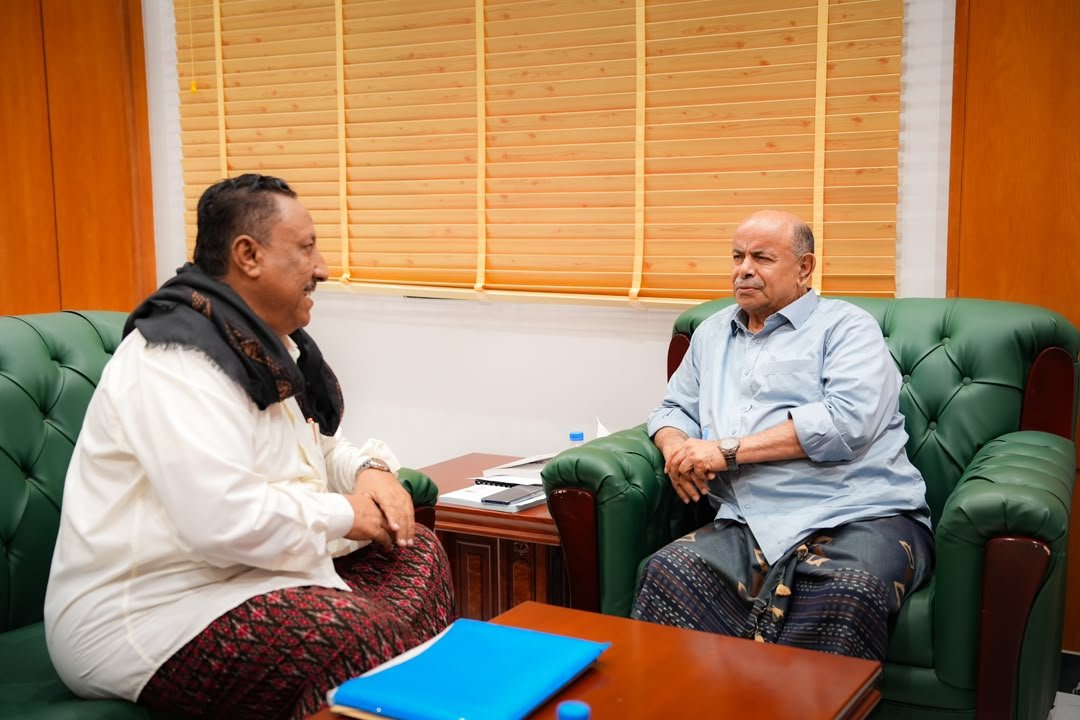
The current situation in Yemen has been shaped by a protracted civil war that began in 2015, marking a significant turning point for the nation and its people. The conflict stems from deep-rooted political disputes and sectarian divisions, with the Houthi movement, an Iran-aligned group, exerting control over vast territories, including the capital, Sanaa. Consequently, a Saudi-led coalition intervened in support of the internationally recognized government, which has struggled to maintain authority and provide essential services throughout the country.
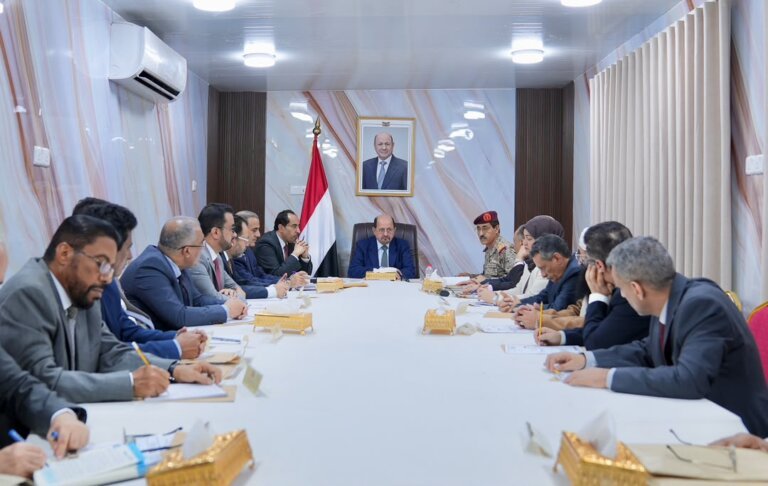
In this turbulent environment, the Presidential Leadership Council (PLC) has emerged as a crucial governing body, formed to unify various factions in the struggle against the Houthis. Based in Aden, the PLC has been tasked with steering Yemen towards stability and recovery amid ongoing challenges. The local authorities, particularly in regions like Hadramout, are pivotal in implementing development plans and restoring public services crucial for the population.
Hadramout, one of Yemen’s largest governorates, is characterized by its rich natural resources, particularly in fisheries and agriculture. However, these resources have not been effectively harnessed due to the ongoing conflict, which has led to significant economic decline and rising unemployment rates. Local officials and institutions now face the daunting challenge of revitalizing the economy while ensuring essential services remain available to citizens amid ongoing humanitarian concerns.
Recently, Governor Salem Ahmed al-Khanbashi of Hadramout convened a series of meetings in Mukalla to address the performance of key local institutions and outline development strategies to bolster public services. These discussions aimed to reinforce the role of essential sectors ranging from fisheries to public transport and education, identifying critical areas for enhancement and investment.
During his engagement with the Mukalla Fish Canning Factory, al-Khanbashi learned about the factory’s ongoing operations and strategic plans to boost production efficiency. He emphasized the importance of maintaining high-quality standards and expanding marketing strategies to boost the competitiveness of Yemeni products on both domestic and international fronts. Expectations are high for the factory to play a significant role in economic recovery by creating jobs and supporting local fishermen.
In addition to the fisheries sector, the governor emphasized the need to modernize public transport infrastructure, meeting with the Director General of the Hadramout Local Land Transport Corporation. They reviewed proposals aimed at establishing modern bus stations to improve transportation efficiency and safety within the governorate. Addressing public transport challenges could significantly alleviate traffic congestion, ultimately enhancing the quality of life for residents in Mukalla and the surrounding areas.
Al-Khanbashi also turned his attention to education, meeting with the Director General of the School Textbook Printing Presses to discuss ensuring the timely delivery of textbooks essential for schoolchildren. This initiative aims to bolster educational stability through improved resource management, as local authorities strive to maintain educational standards amid ongoing difficulties.
The discussions in Mukalla highlight several key stakeholders who are integral to the economic recovery and development of Hadramout. Prominent among these is the local government, represented by figures such as Governor al-Khanbashi. The governor’s leadership is critical in aligning local initiatives with broader national goals outlined by the PLC. His efforts signal a focus on tangible improvements in local services, which are vital for regaining the trust of the population.
The Mukalla Fish Canning Factory, led by Omar Bawazir, plays a significant role in the local economy. As a major employer and industrial asset, the factory not only contributes to job creation but also supports the regional fishing industry by providing a market for local fishermen’s catch. The factory management’s commitment to increasing productivity and quality aligns with governmental efforts to revitalize economic activities in the region.
The Local Land Transport Corporation is another essential component of this development dialogue, entrusted with enhancing the public transportation system in Hadramout. The discussions led by Director General Abdullah al-Attas center on improving infrastructure, which directly affects daily commuters and overall urban mobility. Efficient transport services are crucial for fostering economic growth and accessibility across various sectors.
Additionally, educational institutions represented by the School Textbook Printing Presses are vital stakeholders in the ongoing recovery and development efforts. The collaboration between local authorities and educational directors signifies an understanding of the need to prioritize education, a foundation for long-term growth. Ensuring that students have access to necessary learning materials is a step towards stabilizing the educational landscape in a region burdened by conflict.
The developments observed in Mukalla hold significant implications for the broader Hadramout governorate and beyond. The focus on bolstering local industries and public services is indicative of a potential turning point for areas mired in economic stagnation and infrastructural decay due to prolonged conflict. Successful revitalization in sectors such as fisheries and transportation could facilitate regional growth, establishing Hadramout as a model for reconstruction and development.
Moreover, improving public transport could have wider implications for trade and commerce in the region, enhancing connectivity within Hadramout and linking it to other governorates. By streamlining transport systems, local businesses can better access markets, ultimately leading to increased economic activity. This interconnectedness is essential for harnessing the potential of local resources and creating a more resilient economy capable of withstanding external pressures.
Furthermore, these initiatives reflect a concerted effort to address humanitarian needs in the wake of the ongoing crisis. With over 18 million Yemenis in need of assistance and millions displaced within their own country, the focus on sustainable development and improved public services serves as a crucial step in mitigating the effects of the humanitarian catastrophe. Ensuring access to education, reliable transport, and employment opportunities is essential to stabilizing communities and rebuilding trust in government institutions.
As Hadramout strives for recovery and growth, its approach may offer insights for other governorates facing similar challenges. The lessons learned from Mukalla’s development strategies could inform policies and practices across Yemen, ultimately contributing to national efforts aimed at restoring peace and stability.
The meetings led by Governor al-Khanbashi underscore a proactive approach by local authorities to address some of the most pressing challenges facing Hadramout. The commitment to enhancing industrial capacities, modernizing public transport, and ensuring educational resources are available reflects a comprehensive strategy designed to foster local resilience. However, the effectiveness of these initiatives hinges on the availability of resources, including financial, technical, and human capital.
Sustained dedication from the central government and international partners will be crucial in providing the necessary support for these initiatives to succeed. Developing a reliable educational infrastructure and modern transport systems in Hadramout requires a significant investment of time and funding, which are often in short supply. As such, building partnerships with local businesses, NGOs, and international organizations could enhance the implementation of these plans, aligning local needs with broader development goals.
Additionally, the political backdrop remains a variable that could complicate progress. The ongoing conflict and political instability may hinder investment, lead to insecurity, and disrupt supply chains critical for industrial and infrastructural growth. The need for a stable political environment is essential for any long-term development strategy. Therefore, local leaders must advocate for dialogue and peace, paving the way for essential reconstruction efforts.
In pursuing these initiatives, local authorities must also consider the broader humanitarian context, recognizing that improving livelihoods and enhancing public services are intertwined. As millions of Yemenis continue to navigate the challenges of displacement, poverty, and access to vital resources, prioritizing social safety nets and support mechanisms is critical for fostering a sense of stability and hope.
Moving forward, the focus will need to be on the effective implementation of the discussed strategies raised in recent meetings in Mukalla. It will be crucial for local authorities to establish clear timelines and benchmarks for progress across various sectors, including fisheries, transport, and education. Monitoring and evaluating these initiatives will help ensure accountability and transparency, garnering trust from the community.
Ongoing dialogue among stakeholders is essential to refining these development plans and addressing emerging challenges. As local officials strive to balance project needs with available resources, engaging with the community will be vital in shaping responsive and effective solutions. Participation from citizens can enhance understanding of local needs and priorities, leading to initiatives that are more likely to succeed in meeting their goals.
Moreover, securing external support from international partners and organizations will be critical in extending the reach and impact of these development efforts. Building relationships with NGOs, foreign governments, and humanitarian agencies can open avenues for funding and technical assistance. Such collaborations can provide additional capacity, expertise, and resources necessary for the successful implementation of long-term development strategies.
In the coming months, continued engagement in sectors like fisheries and education will likely set the tone for Hadramout’s economic recovery. As local authorities work towards stabilization, their actions could significantly influence the broader narrative of recovery in Yemen, providing hope amid ongoing adversity. The road ahead will require perseverance, innovation, and a commitment to fostering a brighter future for the people of Hadramout and beyond.
About the Author