Pre-Match Violence at Azteca: Mexican Police Attacked with Petrol Bombs and Bricks
 Yemen Herald News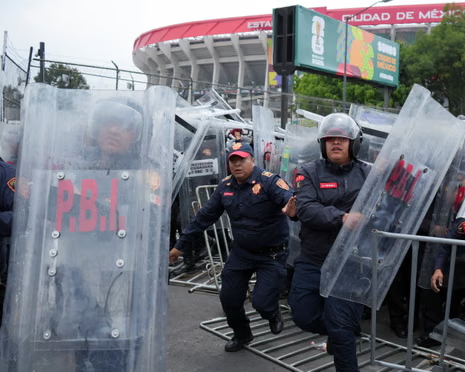
The much-anticipated opening match of the World Cup in Mexico was overshadowed by violent disturbances outside the iconic Azteca Stadium. Just moments before the kick-off, a group of ticketless fans and demonstrators attempted to breach security measures, leading to chaotic scenes. The situation escalated when protesters clashed with police, resulting in the use of force to control the unruly crowd. Despite the tensions, the football match itself proceeded as scheduled, highlighting the stark contrast between the festive atmosphere inside the stadium and the unrest outside.
Reports indicate that the unrest involved groups of hooded individuals who resorted to throwing rocks, bottles, and even petrol bombs at law enforcement. This outbreak of violence was not linked to any specific political agenda, although it coincided with ongoing protests in Mexico City over various social issues, including the plight of the country’s thousands of disappeared individuals. Notably, the police managed to regain control of the situation, and while several officers were injured and required medical assistance, the events outside the stadium did not disrupt the football festivities.
As the sun set on a charged atmosphere, the opening ceremony at Zócalo square—part of the FIFA Fanfest celebration—went ahead without a hitch. This event, designed to bring fans together in celebration of the beautiful game, stood in stark contrast to the earlier chaos. In a surprising turn, the Mexican president, Claudia Sheinbaum, opted to forgo her attendance at the match, instead gifting her ticket to a local lottery winner, which added a layer of community engagement to the day’s events.
The violent incidents outside the Azteca Stadium involved nearly 200 individuals who diverged from larger groups of protesters, totaling around 800. These smaller factions attempted to force their way through security barriers, resulting in confrontations with the police. Authorities reported that several arrests were made, and law enforcement worked diligently to prevent further escalation. With road closures in effect for a two-mile radius around the stadium, tensions ran high, but the kick-off of the World Cup match was not delayed as feared.
The police department in Mexico City faced significant challenges in managing the protests, which encompassed various social issues that had been brewing for days leading up to the tournament. The protests included multiple groups advocating for a range of causes, from educational reforms to justice for the families of those who have disappeared. However, the motivations behind the disturbances at the stadium appeared to stem from frustrations surrounding ticket access rather than a unified political statement.
Despite the chaos outside, the atmosphere inside the stadium remained electric, filled with excitement and anticipation for the World Cup. Fans gathered in large numbers to support their teams, showcasing a visual display of national pride and cultural celebration. This stark contrast between the two environments highlighted the complexities of hosting a global sporting event in a politically charged atmosphere.
As the opening match unfolded, the atmosphere within the stadium was palpable, with fans eager to witness their national teams compete on one of the sport’s biggest stages. Teams had prepared for months, with rigorous training camps and strategic planning to ensure they were ready for the intensity of the World Cup. Players were not only representing their clubs but also their nations, carrying the hopes and dreams of millions on their shoulders.
National teams often undergo significant changes leading up to major tournaments, with coaching staff and player selections being scrutinized. Coaches analyze player performance from domestic leagues and international friendlies to build a squad capable of succeeding against the world’s best. The pressure is immense, and players must navigate not only the physical demands of the game but also the emotional weight of expectations from fans and national officials alike.
In this intense competitive environment, the opening match serves as a critical moment for teams to establish their presence in the tournament. Early victories can build momentum, instilling confidence in players and supporters. Conversely, a poor performance can set a negative tone that reverberates throughout the remainder of the tournament. Thus, the stakes were high, and every player stepped onto the field knowing the significance of the moment.
From a tactical standpoint, the World Cup opening match often sets the tone for the remainder of the tournament. Coaches meticulously analyze their opponents, developing strategies that leverage their team’s strengths while exploiting weaknesses in the opposition. The ability to adapt during matches is crucial, as teams face a diverse range of playing styles and formations throughout the competition.
In addition to individual match strategies, teams must also consider the broader implications of their performance. A strong opening display can boost morale and create an optimistic atmosphere among fans and players alike. Conversely, teams that struggle may find themselves under intense scrutiny from both media and supporters, which can complicate their approach in subsequent matches. The psychological element of competition cannot be understated, as the pressure to perform can significantly impact player execution on the pitch.
Furthermore, the physical demands of the tournament mean that teams must carefully manage player fitness and stamina. World Cup matches are notoriously grueling, requiring players to navigate not only the opposition but also the factors of fatigue and injury. Coaches must balance the desire for immediate results with the need to preserve player health for future matches in the tournament, making squad rotation and tactical flexibility vital.
The juxtaposition of the chaotic scenes outside the Azteca Stadium with the vibrant celebrations inside speaks to the multifaceted nature of the sporting experience. While the World Cup is a time for unity and celebration, it is also a reflection of the societal challenges facing host nations. The protests outside highlighted the deep-seated issues that remain unresolved, reminding us that even amidst the joy of sport, there are significant challenges to address in society.
The disturbances might have cast a shadow over the opening match, but they also provided an opportunity for dialogue regarding the political and social climate in Mexico. The connection between sports and societal issues is not new; major tournaments often serve as a backdrop for larger conversations about national identity, justice, and the power of community. In this sense, the World Cup can transcend mere athletic competition, acting as a catalyst for change and awareness.
As teams embark on their World Cup journey, the focus will inevitably shift back to the football. However, the events surrounding the tournament serve as a reminder that sports can be a powerful platform for expressing social sentiments. The ability of football to unite fans from diverse backgrounds offers hope for a brighter future, highlighting the importance of community and solidarity in times of turmoil.
Looking ahead, the World Cup will continue to unfold, with each match carrying its own narrative and significance. Teams will need to navigate the pressures of performance while remaining mindful of the broader context in which they compete. For the players, the focus will remain on delivering results on the pitch, but they must also recognize their role as representatives of their countries during this pivotal moment.
The challenges faced by the police and security forces outside the stadium will likely lead to increased scrutiny of crowd control measures at future matches. Organizers must balance ensuring fan safety while allowing for the celebration of sport and culture. The incidents outside the Azteca Stadium may prompt discussions about how to manage protests effectively during such high-profile events, ensuring that the voices of dissenting groups are heard without compromising the safety and enjoyment of attendees.
As the tournament progresses, fans will undoubtedly be hoping for thrilling matches, memorable moments, and the joy of national pride. The World Cup has the potential to inspire, unite, and promote understanding among diverse cultures. However, the legacy of this tournament will also be shaped by how it addresses the complexities of the social issues that persist in Mexico and beyond, reminding us that sports, while entertaining, often exist within a larger societal framework.
About the Author