Al-Alimi Extends Eid al-Fitr Greetings to Yemen’s Former Leaders
 Yemen Herald News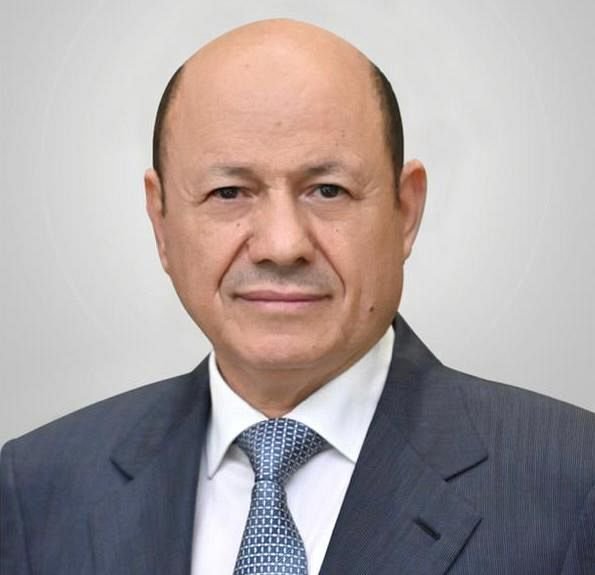
The Chairman of Yemen’s Presidential Leadership Council, Dr. Rashad Mohammed al-Alimi, marked the Eid al-Fitr holiday by telephoning several of the country’s former leaders to extend his congratulations and good wishes. The calls, placed to figures who once occupied the highest offices of the state, were framed as a gesture of goodwill and national courtesy at a moment of celebration for Muslims across Yemen and around the world.
According to officials, al-Alimi spoke with former President Abd-Rabu Mansour Hadi and former President Ali Nasser Mohammed, among others. He also reached former Vice President Lieutenant General Ali Mohsen Saleh and former Presidential Council member Salem Saleh Mohammed, conveying to each his heartfelt wishes on behalf of himself, the members of the Council and the government, and expressing hopes for their continued well-being and good health.
Eid al-Fitr, which marks the end of the holy month of Ramadan, is one of the most significant occasions in the Islamic calendar. It is traditionally a time of communal prayer, family gatherings, charity and reconciliation, and in Yemen, as elsewhere, leaders often use the holiday to reaffirm bonds of solidarity and to send messages of unity to the wider public. Al-Alimi expressed his desire for the occasion to bring prosperity and blessings not only to Yemen but to nations everywhere.
The symbolism of the outreach carried a particular weight given Yemen’s fractured political landscape. The Presidential Leadership Council was established in April 2022, when President Hadi transferred his powers to the eight-member body chaired by al-Alimi, in a move intended to unify the disparate anti-Houthi factions under a single leadership structure. Gestures that acknowledge former officeholders help to project an image of continuity and inclusiveness at a time when the government is working to hold together a broad and sometimes uneasy coalition.
Abd-Rabu Mansour Hadi, whom al-Alimi succeeded, had led Yemen’s internationally recognised government through the most turbulent years of the war before stepping aside in favour of the Council. His inclusion in the round of holiday calls underscored the orderly, if unusual, nature of that transition, in which authority passed not through an election but through a negotiated transfer of powers designed to broaden the leadership base.
Ali Nasser Mohammed, another recipient of the greetings, is a veteran figure whose political career stretches back decades to the era of a divided Yemen, when he served as a leader in the south. Now a senior elder statesman, he retains a measure of influence and moral standing among some constituencies, and outreach to figures of his generation reflects an effort to bridge the country’s complex regional and historical divides.
The calls to Lieutenant General Ali Mohsen Saleh and to Salem Saleh Mohammed similarly reached individuals who have played prominent roles in Yemen’s public life. Ali Mohsen, a long-serving military commander and former vice president, remains a notable presence in the country’s political and security circles. Such contacts, though ceremonial in form, help to maintain lines of communication among figures whose experience and networks continue to matter in a fragmented polity.
Beyond the courtesies of the holiday, the outreach fits a broader pattern of consensus-building that the Presidential Leadership Council has sought to cultivate. Governing a country still at war, with authority divided among competing centres of power, the Council has repeatedly emphasised the language of unity and shared purpose, presenting itself as a body capable of drawing together the many strands of Yemen’s anti-Houthi camp.
The holiday also fell against the sombre backdrop of Yemen’s continuing humanitarian emergency. Even as families gathered to mark Eid, aid agencies estimate that roughly half the population, some 22 million people, require humanitarian assistance, while millions remain displaced and food insecure. For many Yemenis, the festivities were inevitably tempered by hardship, lending official messages of hope and solidarity a particular resonance.
Leaders across the region customarily use Eid to issue statements of goodwill, and in Yemen such gestures carry added significance in a society worn down by years of conflict. Expressions of unity from the country’s leadership, however symbolic, offer a reminder of shared identity and common cause at a time when division has so often defined the national story.
Al-Alimi’s decision to personally telephone former leaders rather than issue a blanket statement lent the greetings a more individual character, signalling respect for those who had previously carried the burdens of high office. In a political culture where personal relationships and gestures of deference retain considerable importance, such contacts can help ease tensions and reinforce a sense of collective endeavour.
The exchange of greetings among current and former officials also reflects a wider Ramadan and Eid tradition in Yemen, in which political and community leaders set aside differences, however briefly, to mark the season with messages of reconciliation. Charitable giving intensifies during the holy month, and appeals to compassion and solidarity feature prominently in public life. Against the strain of a prolonged war, such customs endure as a source of continuity, binding communities together and offering a measure of normalcy even in the most difficult of circumstances.
Whether these holiday courtesies translate into deeper political cooperation remains, as ever, an open question. But at a moment of celebration for the country, the Chairman’s outreach offered a modest affirmation of continuity, inclusiveness and shared hope, values that Yemen’s leadership has repeatedly invoked as it seeks to navigate a path out of prolonged conflict toward a more stable future.
About the Author