Yemen’s PM Appeals to EU for Greater Support in Talks With European Envoys
 Yemen Herald News
Yemen’s Prime Minister has appealed to the European Union for greater support and assistance in confronting the country’s mounting challenges. In a virtual meeting, Dr. Shaya Zindani met the Head of the European Union Mission, Patrick Simonnet, together with the Ambassadors of France, Germany and the Netherlands, to explore avenues for enhanced backing from the bloc and European nations in light of Yemen’s ongoing difficulties and the government’s strategic programme for 2026.
The discussions focused on the urgent need for international assistance to alleviate the humanitarian crisis in Yemen. The prime minister outlined the government’s priorities across crucial sectors and emphasised the importance of mitigating the repercussions of recent regional military escalations, which have added to the pressures facing the country and its people.
The meeting underscored the necessity of intensified international efforts to foster peace and stability in Yemen. Dr. Zindani provided the European representatives with updates on the latest developments across various sectors, including economic and political matters, situating the government’s appeals within a comprehensive account of the country’s situation.
The engagement reflects the government’s continued reliance on international partners, and on European states in particular, for support across humanitarian, economic and political domains. With its own resources severely constrained by years of conflict, the government depends on external assistance to sustain services, advance recovery and pursue its objectives.
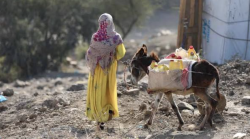
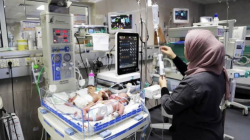
The humanitarian crisis, at the centre of the discussions, remains among the most severe in the world. Aid agencies estimate that roughly half of Yemen’s population requires humanitarian assistance, while millions are displaced and food insecure. Alleviating this suffering requires sustained international support, making appeals to partners such as the European Union a continual priority.
The reference to the government’s strategic programme for 2026 points to its agenda for the year, encompassing priorities across the sectors central to recovery and stability. Presenting this programme to European partners is part of an effort to align international support with the government’s plans and to secure backing for its objectives.
The emphasis on mitigating the repercussions of regional military escalations reflects the impact of wider regional tensions on Yemen. The country’s situation is bound up with broader dynamics in the region, and developments elsewhere can carry consequences for its stability and for the challenges facing its population, adding to the difficulties the government must manage.
The involvement of the ambassadors of France, Germany and the Netherlands, alongside the head of the EU Mission, reflects the engagement of key European states in Yemen. These countries have been among the more active European partners, contributing to humanitarian and development efforts, and their participation underscores the breadth of European involvement in the country.
The European Union has been a significant partner for Yemen throughout the conflict, providing humanitarian assistance, supporting development and backing efforts toward a political resolution. Its engagement spans both immediate relief and longer-term initiatives, and the government’s appeals reflect the importance it attaches to sustaining and expanding this support.
The prime minister’s provision of updates across sectors reflects an effort to keep partners informed and engaged. Maintaining the attention and support of international partners requires ongoing communication, and briefing them on developments helps ensure that assistance remains aligned with the government’s needs and that partners remain apprised of the evolving situation.
The focus on peace and stability connects the appeals for support to the broader objective of resolving the conflict. International efforts to foster peace are central to Yemen’s prospects, and the government’s engagement with European partners reflects a recognition of their potential role in supporting a resolution and the stability that would follow.
The virtual format of the meeting reflects the practical circumstances of diplomacy in the Yemeni context, where security conditions and the dispersal of officials often make virtual engagement the most convenient option. The medium did not diminish the significance of a meeting that brought together the prime minister and senior European representatives.
The government’s appeals come amid persistent constraints on international humanitarian funding, with appeals for Yemen frequently falling short of requirements. In this context, securing and sustaining the support of partners such as the European Union is especially important, and efforts to mobilise assistance are a continual focus of the government’s diplomacy.
The breadth of the agenda, spanning humanitarian, economic and political matters, reflects the interconnected nature of Yemen’s challenges. Progress in any one area is difficult to sustain without progress in others, and the government’s comprehensive engagement with European partners reflects an effort to address the crisis in its full complexity.
The appeal also reflected an awareness in the government that competition for international attention and funding has intensified. With multiple crises around the world drawing on the resources of donor states, officials in Aden have grown conscious that Yemen’s needs, however acute, can slip down the global agenda. Meetings such as this one are aimed in part at counteracting that risk, reminding European partners of the scale of the country’s requirements and of the potential consequences of disengagement. By presenting a coherent strategic programme and detailed updates, the government sought to make the case that continued and expanded support represents an investment in stability rather than an open-ended commitment to relief.
For now, the meeting between Zindani and the European representatives reaffirmed the importance of the partnership between Yemen and the European Union and the government’s appeals for enhanced support. As the country contends with its humanitarian, economic and security challenges, engagement of this kind with European partners remains central to its efforts to secure assistance and to advance toward stability.
About the Author