Yemen’s Health Minister Launches Medicine Shipments in Aden
 Yemen Herald News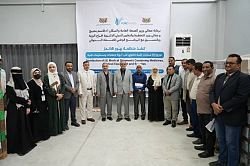
Yemen’s Health Minister has launched shipments of essential medicine in Aden, in a step presented as significant for the country’s efforts to rebuild its battered health system and to meet the urgent medical needs of the population. The distribution of medicine and medical supplies was framed as a lifeline for a population that has suffered from malnutrition, disease outbreaks and a chronic shortage of medical resources.
Yemen has been embroiled in conflict since 2015, a war that has produced one of the world’s worst humanitarian crises. The fighting has decimated the country’s health infrastructure, leaving millions without reliable access to basic medical care, and the delivery of medicine and supplies has become a critical component of the humanitarian response.
The distribution of medicine addresses immediate and pressing needs in a health system severely weakened by the conflict. With hospitals and clinics struggling to provide even basic services, the availability of essential medicines is vital to the treatment of patients and to the functioning of the health facilities that serve the population.
The involvement of humanitarian organisations, including PureHands, in the effort reflects the role of international partnerships in supporting Yemen’s health sector. Such organisations contribute resources and capacity to the delivery of medicine and supplies, complementing the efforts of the government and helping to address the extensive needs of the population.
The health sector’s devastation reflects the broader impact of the conflict on Yemen. Facilities have been damaged, supplies disrupted and personnel strained, while the collapse of the economy has further undermined the sector’s capacity, producing a situation in which the delivery of medicine and supplies is essential to sustaining care.
Disease outbreaks have been a recurring feature of Yemen’s crisis, with cholera and other preventable diseases spreading amid the breakdown of services. The availability of medicine is critical to the treatment and prevention of such diseases, and the distribution of supplies contributes to efforts to address these outbreaks and their consequences.
Malnutrition, another grave dimension of the crisis, has affected large numbers of Yemenis, particularly children. The intersection of food insecurity, disease and the weakness of the health system has produced a situation in which access to medicine and medical care is vital to addressing the health consequences of the crisis.
The role of the Ministry of Public Health in launching the shipments reflects its responsibility for the health sector and its efforts to sustain care. Distributing medicine and supplies is central to the ministry’s work, and its engagement with humanitarian partners reflects the collaborative effort required to address the needs of the population.
The distribution of medicine is not merely a logistical task but a critical element of the humanitarian response. Ensuring that medicine reaches the facilities and patients that need it requires coordination, resources and capacity, and the effort reflects the importance of medical supplies to the survival and wellbeing of the population.
The reliance of the health sector on external support underscores the importance of partnerships such as that with PureHands. With the government’s resources severely constrained, the engagement of humanitarian organisations is essential to sustaining the delivery of medicine and supplies, making such partnerships important to the response.
The rebuilding of the health system, to which the distribution of medicine contributes, is a demanding and long-term undertaking. Restoring the capacity of the sector requires attention to facilities, personnel, supplies and systems, and the delivery of medicine represents one element of the broader effort to sustain and strengthen health care.
The consequences of a weakened health sector extend across the population, affecting the ability of Yemenis to access care and to protect their health. The functioning of the sector is essential to the wellbeing and survival of the population, making the delivery of medicine and supplies a matter of urgent humanitarian importance.
The needs facing the health sector are immense and ongoing, given the persistence of the conflict and its consequences. Meeting them requires sustained support and resources, and the distribution of medicine reflects a continuing effort to address the medical needs of a population contending with the effects of the crisis.
The engagement of humanitarian organisations in the health sector reflects the collaborative nature of the response to Yemen’s crisis. Such organisations bring resources, expertise and capacity to bear on addressing needs, complementing the efforts of the government and contributing to the sustaining of health care across the country.
Sustaining the delivery of medicine and the rebuilding of the health sector will depend on continued support, resources and effort. The challenges are considerable, and addressing the medical needs of the population requires sustained engagement from the government and its partners, making the mobilisation of support important to the response.
The launch of a medicine shipment, modest though it may appear against the scale of the need, carries a symbolic as well as a practical weight. For patients and medical staff who have grown used to going without, the arrival of supplies is a tangible sign that the system, however strained, has not been abandoned. Health officials tend to use such occasions to press their case for sustained support, aware that the pipelines of medicine on which the country depends are vulnerable to any interruption in funding or logistics, and that maintaining them requires the continued engagement of the partners who help keep them flowing.
For now, the launch of medicine shipments by the Health Minister reflected the government’s efforts to sustain the health sector and to meet the medical needs of the population. As Yemen contends with the devastation of its health system, the delivery of essential medicine remains a vital element of the humanitarian response and of efforts to protect the health of its people.
About the Author