Rights Group: Nearly 30,000 Houthi Violations Against Yemeni Children Since 2015
 Yemen Herald News
Recent findings from the Yemeni Network for Rights and Freedoms provide a chilling overview of the plight faced by children in Yemen since the onset of the conflict. Between January 2015 and March 2023, the organization documented an alarming 29,891 documented violations committed by the Houthis against minors. Among these incidents, a devastating total of 5,180 children lost their lives, with 582 being infants affected by a variety of forms of violence, including sniper fire, indiscriminate shelling, landmines, and other forms of abuse.
Further data indicate that 6,748 children suffered injuries in the ongoing conflict, many of whom now live with lifelong disabilities resulting from landmine detonations. The report also highlights the abduction of 348 children, alongside 167 reported cases of sexual assault. In Houthi-run detention facilities, significant mistreatment took place, with many detained minors experiencing severe physical and psychological abuse, leading to several reported fatalities caused by torture.
Child Displacement and Labor
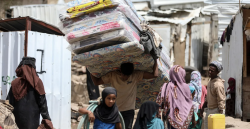
Amidst this backdrop of violence and crisis, nearly 44,000 children have been displaced, while more than three million children have been driven into the labor market as families struggle for survival. Education has also taken a severe hit, with around 4.5 million children denied access to schooling as educational institutions have been repurposed for combat training and military recruitment activities. The Houthi militia’s recruitment practices have led to the involvement of over 40,000 minors in combat scenarios, significantly violating international humanitarian law and the Convention on the Rights of the Child.
The ongoing conflict in Yemen involves multiple stakeholders, each with differing interests and influences. The Houthis, or Ansar Allah, are the main militant group, motivated by their goal of expanding their ideological and territorial control. With support from Iran, they have become formidable opponents to the Yemeni government and its allies, employing aggressive tactics that have led to widespread child recruitment and systemic violence against civilian populations.
On the other hand, the Yemeni government, recognized by international authorities, has sought to consolidate power in Aden while receiving military and logistical assistance from a Saudi-led coalition. This coalition, comprising primarily Gulf Arab states, launched military operations in 2015 to push back against Houthi advances. However, the coalition’s actions have also been scrutinized for contributing to civilian casualties and humanitarian hardships.
International humanitarian organizations, including the United Nations and various NGOs, are also key players in the Yemen crisis. They strive to provide vital assistance, raise awareness about human rights violations, and advocate for the protection of vulnerable populations, especially children. Despite their efforts, these organizations face numerous challenges, from restricted access to conflict zones to inadequate funding, which impede their ability to operate effectively and address the escalating humanitarian needs.
Role of Humanitarian Organizations
International powers, notably Iran and Saudi Arabia, further complicate the situation. Iran’s support for the Houthis has intensified regional tensions, invoking a proxy battle that extends beyond Yemen’s borders and contributes to geopolitical instability throughout the Middle East. Meanwhile, the absence of a unified international response leaves many children vulnerable, as the call for accountability and justice remains largely unaddressed.
The humanitarian crisis in Yemen has extensive regional implications. The conflict has created a humanitarian catastrophe that not only destabilizes Yemen but also influences neighboring countries and the wider Middle East. Yemen’s strategic location near the Bab al-Mandab Strait, a crucial maritime passage for global trade, makes the conflict a focal point for international stakeholders who are concerned about the implications of instability on trade routes and shipping security.
Regional Implications
Moreover, the conflict has manifested in a larger geographical struggle for influence between Iran and Saudi Arabia, further complicating diplomatic relations throughout the region. The Houthi movement, backed by Iran, challenges Saudi Arabia’s regional dominance and has led to increased military and political defensive actions by Gulf countries. This proxy dynamic has spurred a broader arms race and heightened tensions that are felt far beyond Yemen’s borders.
The dire situation in Yemen also catalyzes additional refugee flows into nearby countries. The displacement caused by ongoing violence and instability has driven many Yemenis to seek asylum in neighboring nations, consequently straining resources and creating tension within host countries. This influx can lead to social and economic challenges, particularly in nations with existing vulnerabilities.
Furthermore, the ongoing humanitarian crisis exacerbates existing vulnerabilities, such as food insecurity and health issues, which do not respect borders. Diseases like cholera can spread across regions, impacting overall public health. The consequences of Yemen’s plight will likely echo in the social and economic fabric of the region for years to come.
The situation of children in Yemen is not merely a consequence of armed conflict; it represents a systematic failure at multiple levels of governance and societal concern. The recruitment of child soldiers and recruitment illustrate a profound neglect for the future of an entire generation. These violations catalyze a cyclical pattern of violence, where children who are exploited early in life become embroiled in future conflicts, perpetuating the cycle of war and suffering.
Systematic Failures
International engagement has been painfully slow and often ineffective, highlighted by a lack of decisive action to hold violators accountable or to foster a sustainable resolution in Yemen. The continued recruitment of minors and the atrocities against children serve as a stark reminder that there is a pressing need for targeted action by the international community. Such action should include the imposition of sanctions against those within the Houthis’ leadership responsible for these violations, as well as increased support for humanitarian assistance to the most vulnerable populations.
Additionally, the situation underscores the importance of rebuilding Yemen’s educational systems post-conflict. Access to quality education is foundational for a stable future and can break the cycles of poverty and violence. Addressing the rights of children in Yemen requires a comprehensive approach, urging dialogue aimed at reconciliation and long-term solutions rather than short-term military objectives.
The perspectives from various stakeholders indicate a complex web of interests, each requiring thoughtful navigation to reach a peaceful resolution. However, without a cohesive international strategy and a commitment to prioritize the safety and welfare of children, existing patterns of violence and exploitation are likely to persist.
The future of Yemen, particularly regarding its children, hangs in the balance amid ongoing military conflict and humanitarian crises. Immediate actions are crucial; the Houthis must be compelled to cease the recruitment of children and to release all detained minors. The potential for meaningful change rests on a combination of internal pressures and external diplomatic engagement aimed at establishing a firm commitment to human rights protection, especially for vulnerable groups.
Urgent Actions Needed
International actors must employ a concerted effort to address the escalating needs of children in Yemen, leveraging their influence to push for enforced accountability measures against those who perpetrate violence and exploitation. Human rights organizations advocate for more humanitarian access alongside a larger international response that recognizes the urgency of the situation.
The unresolved conflict poses the danger of entrenching longstanding grievances, making the need for resolution more critical than ever. A comprehensive peace plan is essential to address the root causes of the conflict, ensuring that the voices of Yemeni children and their families are central to any negotiation. Each passing day without such measures risks jeopardizing the future of Yemen’s youth, placing their dreams and aspirations further out of reach.
In conclusion, addressing the humanitarian crisis in Yemen requires an immediate commitment to safeguarding children’s rights, providing humanitarian assistance, and increasing diplomatic efforts to foster lasting peace in the region. Without these initiatives, Yemen’s children face a bleak future, caught in the relentless grip of violence and conflict.
About the Author