Yemeni Ambassador and U.S. Lawmaker Discuss Bilateral Cooperation Expansion
 Yemen Herald News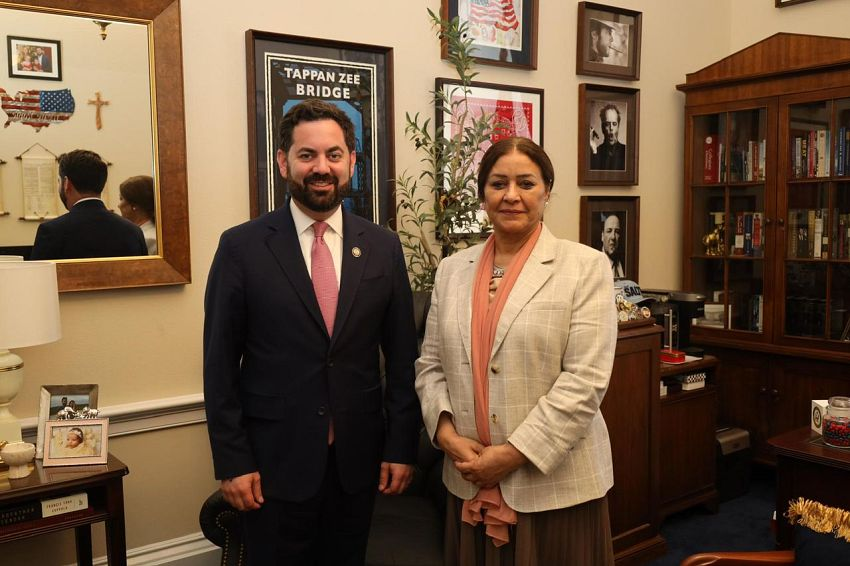
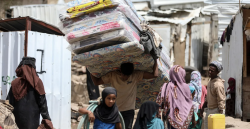
The ongoing conflict in Yemen, which began in 2015, has had devastating consequences on both the country’s political landscape and its population. The Houthi movement, which is backed by Iran, has been engaged in a protracted struggle against a Saudi-led coalition that includes the United Arab Emirates. This coalition supports the internationally recognized government based in Aden, led by the Presidential Leadership Council. The war has resulted in one of the most severe humanitarian crises, with over 18 million people requiring urgent assistance and more than 4.5 million displaced from their homes. The turmoil has exacerbated the prevalence of diseases such as cholera and measles, highlighting the dire health situation in the country.
The geopolitics of the region further complicate Yemen’s conflict. The Red Sea and the Bab al-Mandab Strait serve as critical maritime routes for international trade. Control over these waters is highly contested and is pivotal for global shipping, particularly for energy exports. The dynamics of power within the region are influenced by the activities of various state and non-state actors, with Iran’s support for the Houthis viewed as a key factor in the sustained violence. The situation in Yemen is a focal point for broader regional tensions, particularly concerning the strategic interests of global powers like the United States.
Regional Geopolitics
As the crisis continues, diplomatic efforts have been made to seek peace and stability. Discussions involving Yemeni officials and international stakeholders are centered around fostering cooperation on various fronts, including economic development and security. Most recently, the meeting between Yemen’s Ambassador to the United States and Congressman Mike Lawler reflects ongoing attempts to solidify bilateral relations, as both nations seek to collaborate on common priorities amid the backdrop of Yemen’s multifaceted struggles.
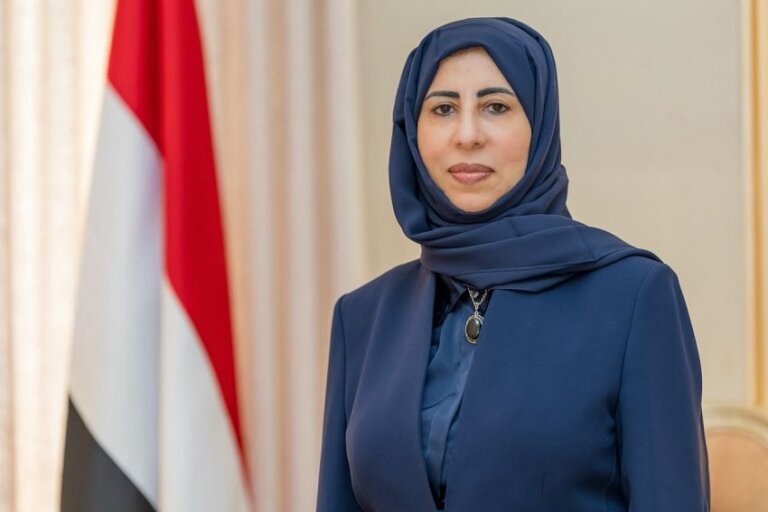
A recent meeting in Washington, D.C., between Yemeni Ambassador Jameela Rajaa and U.S. Congressman Mike Lawler led to significant discussions regarding the bilateral relationship between Yemen and the United States. Lawler, who serves as the Chairman of the House Foreign Affairs Subcommittee on the Middle East and North Africa, expressed mutual interests in enhancing cooperation, particularly in counterterrorism efforts and maritime security in the Red Sea. This dialogue underscores the growing recognition of Yemen’s strategic importance in combating terrorism and ensuring security in international waterways.
U.S.-Yemen Relations
One of the main issues addressed was the ongoing conflict in Yemen, emphasizing the need to apply pressure on the Iran-aligned Houthis. The objective is to encourage these groups to engage seriously in peace negotiations that could alleviate the suffering of millions of Yemenis. Without a genuine commitment from the Houthis, the restoration of Yemen’s state institutions and the establishment of long-lasting security will remain elusive. The discussions highlighted the necessity of collaborative efforts to steer the country towards stability, which has been a challenge in light of the ongoing violence.
Both the Yemeni ambassador and the U.S. Congressman acknowledged the significance of supporting Yemen’s economic development. The enhancement of this partnership is not only viewed as beneficial for both nations but also crucial for broader regional security and stability. By addressing economic concerns and investing in Yemen’s recovery, there may be potential for fostering better governance and resilience against extremist influences.
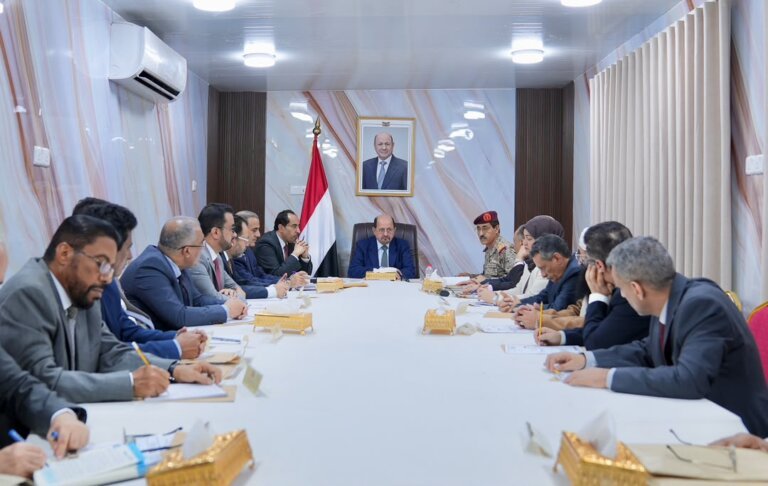
The conversation between Ambassador Jameela Rajaa and Congressman Mike Lawler touches on a complex network of stakeholders, each with vested interests in the Yemeni conflict and the region as a whole. The most prominent of these stakeholders includes the Yemeni government, supported by the Saudi-led coalition, and the Houthi movement, which opposes this government and has received backing from Iran. The United States stands as a key actor as well, providing diplomatic support and military assistance to counteract Iranian influence and promote stability in the region.
Key Stakeholders
Additionally, the humanitarian organizations working within Yemen represent a crucial set of stakeholders. These groups strive to alleviate the suffering of the Yemeni population, which has been wrought by years of conflict and economic downturn. They face immense challenges in delivering aid due to ongoing violence and bureaucratic obstacles. Despite these conditions, their role is key in raising awareness and mobilizing international support for humanitarian efforts.
Regional powers, particularly Saudi Arabia and Iran, also play a vital role as stakeholders. Saudi Arabia is focused on maintaining its influence and countering Iran’s expansion in the region, while Iran seeks to bolster its presence through proxy actors such as the Houthis. Their actions directly impact the dynamics of the conflict, influencing U.S. foreign policy and the international community’s response.
Finally, ordinary Yemenis are perhaps the most critical stakeholders in this conflict. The voices and needs of citizens, especially those displaced by violence or affected by the humanitarian crisis, must be central to negotiations and any future peace agreements. Their experiences highlight the urgent need for comprehensive strategies that go beyond military solutions and prioritize human welfare.
The ongoing situation in Yemen reverberates throughout the Middle East, impacting regional stability in multifaceted ways. Yemen’s strategic location along critical maritime routes makes it a focal point for international navigation, particularly for oil shipments heading through the Red Sea. Any disruption in this area due to conflict or instability can have significant implications for global energy markets and trade routes. A destabilized Yemen can enhance the risk of maritime piracy and other forms of regional insecurity, potentially prompting more robust international naval engagement in the area.
Economic Implications
Moreover, Yemen’s conflict exemplifies the broader Sunni-Shia divide, with Saudi Arabia representing the Sunni bloc and Iran backing the Shia Houthis. This proxy struggle not only fuels the conflict within Yemen but also has knock-on effects in neighboring countries, including Iraq and Syria, where similar sectarian tensions exist. The longer the conflict persists, the more entrenched these divisions become, making peaceful resolutions even harder to achieve. Any escalation in violence could potentially incite sectarian clashes or arms races in neighboring states, further destabilizing an already volatile region.
The economic ramifications of the Yemeni crisis extend beyond its borders as well—Saudi Arabia and other Gulf states are likely to bear increased economic costs due to the spillover effects of the humanitarian crisis. The prospect of refugees fleeing into neighboring countries poses additional risks, straining social services and infrastructure, and possibly leading to political unrest in host nations.
Furthermore, the humanitarian implications of the conflict create urgency for international involvement. Yemen’s dire situation generates a moral obligation for regional actors and international bodies to intervene, although the complexity of the conflict often complicates these efforts. A concerted approach that integrates humanitarian aid with initiatives for political dialogue is essential to foster long-term stability.
Humanitarian Crisis
The recent meeting between Yemen’s Ambassador and a U.S. Congressman underscores the importance of diplomatic relations in addressing the multifaceted challenges posed by Yemen’s ongoing conflict. Strengthening bilateral ties with the U.S. can open new avenues for Yemen to receive much-needed aid and support, particularly in its fight against terrorism and in efforts to stabilize maritime security in strategic waterways. Counterterrorism collaboration is increasingly pertinent as extremist groups exploit instability, posing threats not only to Yemen but to the broader region.
However, while the discussions mark a significant step towards solidifying relations, the underlying issues of the Yemen crisis remain deeply entrenched. International pressure on the Houthis is essential, but it must be coupled with a nuanced understanding of their role in the conflict and what pathways could lead to meaningful negotiations. Genuine dialogue that incorporates all factions within Yemen, including the Houthis, is critical to breaking the cycle of violence and ensuring lasting peace.
Furthermore, the focus on economic development must not be overlooked. While political and military dimensions capture immediate attention, the long-term recovery of Yemen hinges on rebuilding state institutions and reviving the economy. This involves not merely addressing the symptoms of the crisis but also undertaking significant reform to cultivate a more sustainable and resilient society. A stronger economy can empower communities and reduce the influence of extremist ideologies that thrive in desperation.
As these discussions unfold, it is imperative for all stakeholders, including international actors, to remain committed to a comprehensive framework for peace that addresses the needs and voices of the Yemeni people. Without inclusivity and a focus on humanitarian considerations, efforts to resolve the conflict may fall short, risking the continuation of suffering for millions.
Path to Peace
The meeting between Yemeni officials and U.S. representatives signals a potential shift towards heightened engagement and cooperation, but the path forward remains fraught with uncertainty. As both countries strive to deepen their relationship, the effectiveness of future diplomatic initiatives will depend largely on sustained pressure applied to the Houthis. Encouraging a genuine commitment from the Houthis to participate in peace talks will be essential to establishing a framework that can lead to lasting stability.
Moreover, the international community must ramp up its humanitarian efforts to address the immediate needs of the Yemeni population. With millions in desperate need of assistance, prioritizing humanitarian aid is crucial. An expansion of aid metrics and the facilitation of access for organizations working on the ground can make a difference in mitigating the impact of the ongoing crisis. The messaging related to humanitarian assistance should be mutually reinforcing with political strategies to ensure that efforts are not perceived as detached or separate from the peace process.
Looking ahead, regional dynamics will also play a significant role in shaping Yemen’s future. The responses of Saudi Arabia and Iran to any developments will undoubtedly influence the course of the peace talks. Both nations must recognize the common interest in achieving stability, which requires compromise and dialogue. A regionally coordinated approach to Yemen, promoting inclusivity and regional security, might foster conditions more conducive to a peaceful resolution.
As Yemen continues to navigate the many challenges it faces, the focus must remain on a comprehensive strategy that aligns political, humanitarian, and economic initiatives. This holistic approach enhances the chances for real progress, preparing the groundwork for a hopeful future, ultimately transforming Yemen into a more secure and prosperous nation for its people.
About the Author