Saudi Arabia gives new support to Yemen’s central bank as al-Alimi points to reform push
 Yemen Herald News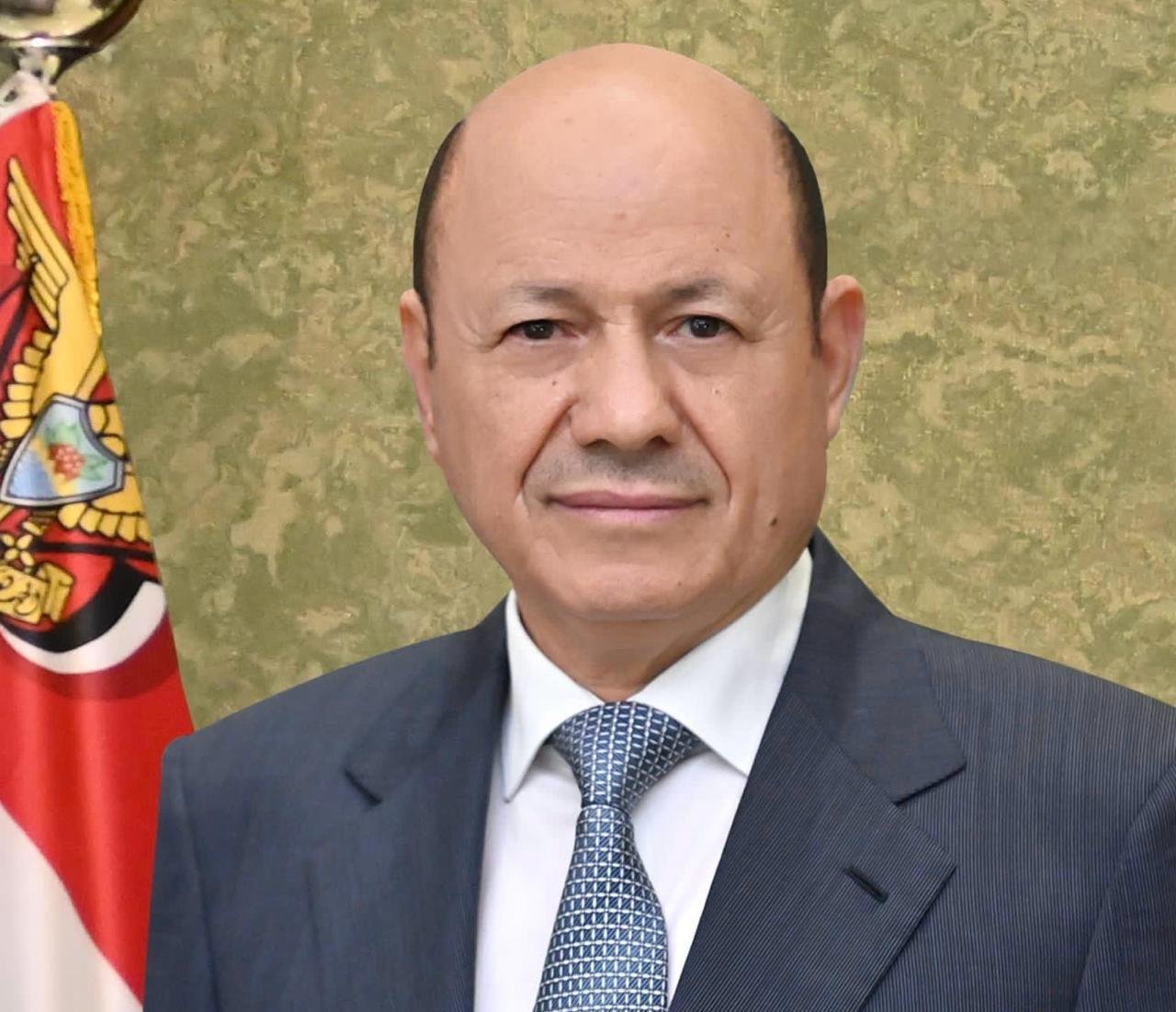
ADEN, Yemen — Saudi Arabia has given new financial support to the Central Bank of Yemen, the Saudi development programme for Yemen said on Thursday, without disclosing the amount.
The Saudi Development and Reconstruction Program for Yemen said the assistance followed directives from the Saudi leadership.
The programme said the money is meant to strengthen economic, financial and monetary stability.
It said the support is also designed to build the capacity of government institutions and improve governance and transparency.
The programme said the assistance should help the private sector contribute to growth, create jobs and drive socio-economic development.
It said the support would boost purchasing power, improve living standards and stimulate commercial activity.
No figure was published. The programme did not say when the funds would reach the bank.
Rashad al-Alimi, chairman of the Presidential Leadership Council, said the support would give Yemen’s reform programme an important push, the state news agency Saba reported.
Al-Alimi thanked King Salman and Crown Prince Mohammed bin Salman on behalf of the council, the government and the Yemeni people, according to the agency.
He said the assistance would help stabilise the national currency and improve living conditions and basic services, Saba reported.
Al-Alimi also said it would strengthen confidence in state institutions and in Yemen’s recovery, according to the agency.
The account of the Saudi decision comes from the development programme itself, relayed by the Riyadh-based daily Asharq Al-Awsat. The account of al-Alimi’s response comes from Saba, the news agency of Yemen’s internationally recognised government.
Yemen Herald has not seen an independent valuation of the package or confirmation of its size.
The new support follows earlier Saudi transfers this year.
Saudi Arabia provided 1.3 billion riyals in February to cover operating expenses and salaries in the Yemeni budget, according to the development programme.
A further instalment of more than 224 million riyals followed in June for the same purpose, the programme said.
The programme was established in 2018. It runs development projects across several sectors and provides institutional and technical support to Yemeni government bodies.
Saudi Arabia deposited $1 billion in the Aden-based central bank in February 2023.
The Central Bank of Yemen has been split since 2016, when the internationally recognised government moved its headquarters from Sanaa to Aden.
The Houthi authorities run a parallel monetary administration in Sanaa.
The two administrations have issued competing currency decisions, and the rial trades at different rates in the areas each controls.
The Aden government has said restoring confidence in the currency is central to its economic plan.
Public sector salaries have gone unpaid or been paid late in parts of the country for years.
The United Nations Office for the Coordination of Humanitarian Affairs said in its March 2026 humanitarian needs and response plan that more than 22 million people in Yemen need assistance.
The plan recorded 18.3 million people as acutely food insecure.
It counted more than 2.2 million children under five as acutely malnourished, including 516,157 with severe acute malnutrition.
OCHA put the number of internally displaced people at 5.2 million.
The agency appealed for $2.16 billion to reach 12 million of those in need.
Aid agencies have linked the depth of need in part to the collapse in household purchasing power rather than to food availability alone.
The development programme said its assistance aims to create conditions for sustainable recovery.
The rial has recovered ground this year in areas under government control.
The dollar traded at about 1,800 rials after earlier approaching 2,900, according to reporting by Asharq Al-Awsat on the government’s push to bring down prices.
The central bank set official rates for the Saudi riyal at 410 rials for buying and 413 for selling in February, Yemen Monitor reported.
Analysts have attributed the recovery largely to intervention by the bank. The Sana’a Center for Strategic Studies described the rial as surging under a revitalised central bank.
The bank revoked the licences of 24 exchange companies it accused of currency manipulation, according to that account.
Other measures included curbing speculation, channelling import financing through formal institutions and requiring domestic transactions to be settled in rials.
Governor Ahmed al-Maabqi has chaired meetings at which the bank said it would keep monitoring the local market and act to hold currency and prices steady, Yemen Monitor reported.
The recovery has not resolved everything. Al Jazeera reported in April 2026 that cash shortages persisted despite the currency’s stabilisation.
Residents of Aden, Taiz and Mukalla described a shortage of rial banknotes in circulation, according to that report.
Yemen Herald could not independently confirm the exchange rate figures or the licence revocations.
The World Bank has published periodic macroeconomic outlooks on Yemen describing a deteriorating fiscal position.
The central bank publishes its own monetary and financial developments bulletins covering the period to February 2026.
The Saudi programme has funded projects in electricity, health, education, water, transport and agriculture since it was set up.
It has also seconded advisers to Yemeni ministries under its institutional support work.
Riyadh has been the principal external backer of the Aden government since the Presidential Leadership Council was formed in April 2022.
The council’s members have based much of their work in the Saudi capital.
Asharq Al-Awsat published its report at 17:59 on Thursday.
About the Author