Strengthening health partnership discussed by UNICEF and the Health Ministry Undersecretary.
 Yemen Herald News
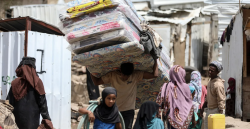
Since its inception in 2015, the ongoing civil war in Yemen has precipitated one of the most acute humanitarian crises in modern history. The conflict, primarily between the Saudi-backed government and the Iran-aligned Houthis, has resulted in severe disruptions to public health services, widespread food insecurity, and devastating socio-economic conditions. This turmoil has compounded health vulnerabilities in a country where more than 18 million people require assistance, with 4.5 million individuals displaced from their homes. Essential health services have not only been strained by infrastructure destruction but also hampered by a significant decline in foreign aid and support.
Within this tumultuous environment, the fight against diseases has become more challenging. Reports of cholera outbreaks and cases of measles have been frequent, exacerbating the already precarious public health situation in Yemen. The inadequacies of the healthcare system have been underscored by a lack of funding and donor fatigue, leaving health responders to grapple with dwindling resources and increasing demand for critical services. The impact of financial shortfalls is palpable in areas such as nutrition and maternal and child health, where gaps in services threaten to undo progress that has been made over the years.
In light of these urgent challenges, the Yemeni government, particularly the Ministry of Public Health and Population, continues to seek partnerships that can bolster health services across the nation. Recent efforts have included meetings and collaborative discussions with international stakeholders to navigate the complexities of healthcare delivery in crisis conditions. The necessity for robust dialogue between the government authorities and international organizations like UNICEF reflects the vital need for continued support as the country strives for recovery and stability amidst its enduring conflict.
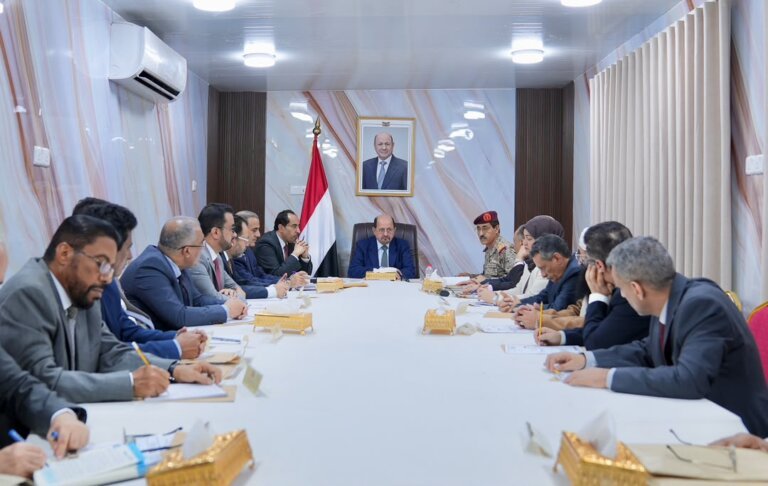
The meeting on Tuesday between Dr. Ali Al-Walidi, Undersecretary of the Ministry of Public Health and Population, and Dr. Majed Al-Tawil, Deputy Representative of UNICEF in Yemen, highlighted significant health and nutrition concerns facing the nation. Their discussions revolved around the current status of healthcare access and nutritional services, both critical in a context marked by adversity. They underscored that the challenge of maintaining essential health services is growing, exacerbated by a sharp decline in financial assistance from key international donors.
A notable focus was placed on the implications of reduced support, particularly the diminishing contributions from entities such as the World Bank. This decline raises the specter of potential funding shortfalls that could impede the implementation of vital health and nutrition programs. As funding becomes increasingly uncertain, there is a growing concern that life-saving interventions may falter, particularly in areas already under severe strain.
Moreover, the meeting served as a platform to explore strategies for galvanizing additional support from international partners. Both officials acknowledged the need for innovative proposals aimed at attracting donor investment to sustain ongoing health initiatives. Practical solutions and actionable measures were discussed to address these funding challenges, with a strong emphasis on ensuring that healthcare services remain accessible to those in urgent need. By focusing on both short-term and long-term strategies, government and international stakeholders aim to reinforce the health infrastructure that is critical for Yemen’s recovery.
The Yemeni Ministry of Public Health and Population, under the leadership of Dr. Ali Al-Walidi, is a principal authority engaged in addressing the country’s health challenges. This ministry is tasked with coordinating health care delivery and ensuring access to essential medical services amid ongoing conflict. The challenges it faces are significant, requiring not only national commitment but also international cooperation to navigate through the severe humanitarian landscape.
Internationally, UNICEF plays a vital role in providing humanitarian assistance and promoting children’s rights. As evidenced in the recent meeting, UNICEF’s collaboration with the Yemeni government remains critical in bridging the gaps in health and nutrition services. The organization brings essential resources, expertise, and a network of partners crucial for supporting health sector initiatives designed to protect vulnerable populations, particularly children, who are disproportionately affected by the crisis.
Other stakeholders also include various non-governmental organizations (NGOs) that operate within Yemen, working tirelessly to provide essential health services despite numerous operational hurdles. These NGOs often coordinate with both the Yemeni government and international bodies to implement health programs. As the situation continues to evolve, the roles and strategies of these stakeholders will be crucial in determining the future of healthcare in Yemen, especially regarding the resilience and recovery of health services in the face of persistent threats.
The Yemeni civil war and the accompanying humanitarian crisis are not isolated issues; they have profound regional ramifications that extend beyond the country’s borders. The conflict has drawn the attention of neighboring countries and international actors, leading to a complex geopolitical dynamic. Regional powers, influenced by strategic interests, often find themselves entangled in Yemen’s affairs, complicating the humanitarian response and peace efforts.
Neighboring Gulf states, particularly Saudi Arabia and the United Arab Emirates, have been heavily involved in the conflict through military intervention aimed at restoring the internationally recognized government. This intervention, however, has led to significant destruction and further destabilization within Yemen, with repercussions felt throughout the region. The humanitarian fallout from the conflict, including refugee movements and food shortages, poses risks not only to Yemen but to the stability of neighboring countries as well, creating a ripple effect that demands urgent attention from the international community.
Moreover, the backdrop of geopolitical maneuvering strengthens the Iran-Houthi alliance, which has implications for maritime security in the Red Sea region and the strategic Bab al-Mandab Strait. This significant shipping route is crucial for global trade, and any prolonged instability in Yemen could have dire consequences for regional security and economic interests. The interplay of local and international dynamics makes the path to resolution and recovery in Yemen all the more complicated, as regional actors pursue their agendas amid the unfolding humanitarian crisis.
The discussions between Yemen’s health authorities and UNICEF reflect a critical juncture in the country’s health sector. As both parties confront an environment marked by dwindling resources and increasing health needs, the necessity for innovative funding mechanisms becomes ever more apparent. The challenges of health service delivery in conflict zones are exacerbated by the complex interplay of local governance issues and international support frameworks.
Funding gaps pose significant risks, particularly in key areas like nutrition and primary healthcare, where the stakes are high. The diminished financial commitments from major donors such as the World Bank contribute to an atmosphere of uncertainty that threatens to undermine existing health services. As direct consequences of insufficient funding manifest in the form of reduced healthcare access, the potential for increasing morbidity and mortality rates among vulnerable populations becomes a pressing concern.
Stakeholders need to pivot towards sustainable funding solutions that not only address immediate needs but also lay the groundwork for long-term recovery. Mobilizing external support will require strategic alliances and a commitment from all parties involved in Yemen’s future. This need for a concerted approach is not limited to financial matters but extends to advocating for lasting peace, emphasizing that progress in the health sector is intrinsically tied to broader political resolutions.
Moving forward, the Yemeni Ministry of Public Health and Population, along with partners like UNICEF, must take proactive steps to address the compelling challenges facing the health sector. A comprehensive assessment of existing programs and resources will be essential to identify which areas are most critically impacted by funding gaps. This assessment should inform targeted strategies to mobilize support from both domestic and international donors.
Diverse funding strategies, including leveraging social media campaigns for awareness and engaging the private sector in health initiatives, could receive increased attention in upcoming meetings. Additionally, innovative partnerships that include non-traditional donors, such as philanthropic organizations and regional development banks, should be cultivated. By exploring these avenues, Yemen’s health sector may find the necessary resources to sustain its programs during this challenging phase.
Ultimately, the adherence to a resilient framework for healthcare delivery will depend on much more than financial inputs. The involvement of the community and strong national health policies are paramount for creating an effective crisis response. As Yemen grapples with the intertwined factors of health, governance, and regional stability, the next steps taken by stakeholders will shape the trajectory of health services and overall recovery efforts in this beleaguered nation.
About the Author