Shabwah Governor and KSrelief Discuss Humanitarian Aid
 Yemen Herald News
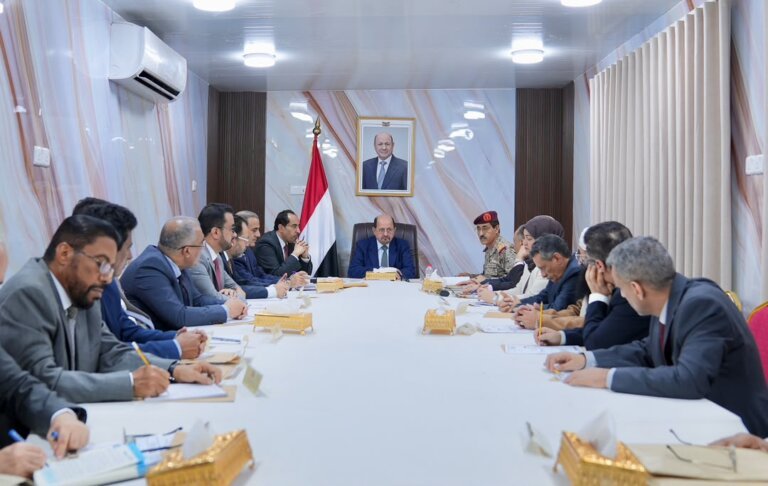
Shabwah’s governor and the King Salman Humanitarian Aid and Relief Centre have discussed humanitarian aid for the governorate, in talks that reflected the continuing need for assistance in a region shaped by the wider crisis in Yemen. Governor Sheikh Awad Ibn al-Wazir met representatives of the Saudi relief centre, known as KSrelief, to review humanitarian initiatives and support for the population.
Yemen has been embroiled in conflict since 2014, in a war that has produced one of the world’s worst humanitarian crises. Shabwah governorate, in the south-east of the country, has been affected by the broader consequences of the conflict, and humanitarian assistance has been important to supporting its population amid the resulting hardship.
Shabwah is a governorate of strategic and economic significance, known for its oil resources and its location. Its stability carries importance not only for the region but for the broader interests of Yemen and its partners, and humanitarian support forms part of the broader engagement with the governorate and its needs.
The King Salman Humanitarian Aid and Relief Centre, established by Saudi Arabia, has been among the most prominent providers of humanitarian assistance in Yemen. Its role in addressing the needs of the population, including in governorates such as Shabwah, reflects the significant involvement of the centre in the humanitarian response across the country.
The discussions reflected the ongoing need for humanitarian assistance in the governorate and the engagement of the relief centre in addressing it. Reviewing initiatives and support allows officials and the centre to assess needs and to coordinate efforts, ensuring that assistance is directed effectively to those who require it.
The humanitarian needs in Shabwah, as across Yemen, have been shaped by the conflict and its consequences. Economic hardship, the disruption of services and the presence of vulnerable populations have created significant needs, and humanitarian assistance has been important to alleviating hardship and supporting the population.
The engagement between the governorate and the relief centre reflects the collaborative nature of the humanitarian response. Cooperation between local authorities and providers of assistance helps identify needs, facilitate the delivery of aid and integrate assistance with local structures, enhancing the effectiveness of the response.
The King Salman Humanitarian Aid and Relief Centre has funded and implemented a wide range of projects in Yemen, spanning food security, health, water, sanitation and other sectors. Its support for Shabwah forms part of this broader engagement, contributing to efforts to address the diverse needs of the population.
The role of the governor in engaging with the relief centre reflects the involvement of local authorities in coordinating and supporting humanitarian assistance. Local leadership can help ensure that assistance is aligned with the needs of the governorate and that it reaches the communities most in need, reinforcing the effectiveness of the response.
The strategic significance of Shabwah, including its oil resources, adds a dimension to the importance of its stability. The governorate’s economic assets and its location give it importance beyond the humanitarian sphere, and support for its stability and population is bound up with broader considerations of security and economic significance.
The humanitarian assistance provided to Shabwah addresses needs that are both immediate and ongoing. Meeting the requirements of the population, from food and health to other essentials, requires sustained support, and the engagement of the relief centre reflects a continuing commitment to addressing these needs.
The involvement of Saudi Arabia, through the relief centre, in supporting Shabwah reflects the kingdom’s broader engagement in Yemen. Its humanitarian assistance has been significant to the response, and its support for governorates such as Shabwah reflects its involvement in addressing the needs of the population across the country.
The stability of Shabwah and the wellbeing of its population are bound up with the broader situation in Yemen. Humanitarian assistance contributes to alleviating hardship and supporting communities, and it forms part of the broader effort to address the consequences of the conflict and to support stability in the governorate and beyond.
Sustaining humanitarian assistance in Shabwah, as elsewhere in Yemen, depends on adequate resources and continued commitment. The needs are considerable, and meeting them requires sustained support, making the engagement of providers such as the relief centre important to the continued delivery of assistance to the governorate.
The needs facing the population of Shabwah are unlikely to ease quickly, given the persistence of the conflict and its consequences. Meeting them will require continued effort and support, underscoring the importance of the engagement between the governorate’s authorities and providers of humanitarian assistance.
Shabwah’s mix of relative resource wealth and acute humanitarian need illustrates one of the paradoxes of Yemen’s war. A governorate endowed with oil and a strategic position might, in other circumstances, be a source of prosperity for its inhabitants, yet the collapse of the wider economy and the disruptions of conflict have left many of its residents dependent on outside assistance. Officials and aid providers alike tend to frame support for such areas as an investment in stability as much as an act of relief, on the argument that meeting basic needs helps forestall the grievances and desperation that can feed further instability in regions whose calm cannot be taken for granted.
For now, the meeting between Governor Ibn al-Wazir and the King Salman Humanitarian Aid and Relief Centre reaffirmed the engagement in addressing the humanitarian needs of Shabwah. As the governorate and its population contend with the consequences of the conflict, humanitarian assistance remains an important element of efforts to alleviate hardship and support stability.
About the Author