UN Puts Yemen’s 2026 Humanitarian Caseload at More Than 22 Million People
 Yemen Herald News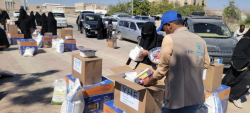
The United Nations set out the scale of Yemen’s humanitarian emergency for 2026 in a plan published in March of that year, estimating that more than 22 million people across the country would need humanitarian assistance or protection during the year. The figure amounts to roughly two thirds of Yemen’s population and reflects more than a decade of conflict compounded by economic collapse, repeated disease outbreaks, climate shocks and a shrinking pool of donor funding. Aid agencies asked for 2.16 billion dollars to respond.
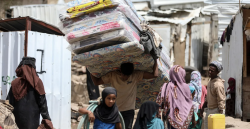
The plan broke that caseload down in ways that show where the burden falls. Of those in need, close to 11 million are women and girls. The total includes about 5.2 million people displaced inside Yemen, many of them repeatedly, along with roughly 329,000 migrants and some 63,000 refugees and asylum seekers, most of whom arrived from the Horn of Africa and are among the least protected groups in the country. Humanitarian organisations said they aimed to reach around 12 million people during the year, with about 9.4 million prioritised for targeted assistance on the basis of severity of need.
Hunger remains the sharpest edge of the crisis. An estimated 18.3 million people in Yemen face acute food insecurity, a level that places the country among the most food-insecure in the world. A partial Integrated Food Security Phase Classification analysis covering government-controlled areas for the period from March to May 2026 found close to 5 million people in Crisis conditions or worse, including about 1.4 million in Emergency conditions, and projected further deterioration through the year as additional districts slipped from one phase to the next. Analysts also identified pockets of population projected to face Catastrophe conditions, the most severe classification the scale allows.
Water is the second front. Around 14.4 million people were assessed as needing water, sanitation and hygiene support in 2026, a consequence of damaged pumping and treatment infrastructure, unreliable electricity and the depletion of groundwater in a country that was water-scarce long before the war. The same weakness drives the epidemics that recur each year, because untreated water and interrupted waste collection give waterborne disease a reliable route through crowded displacement sites.
Health services sit on the same fragile base. Only a portion of Yemen’s health facilities are assessed as fully functional, and many of those that remain open depend on external support for salaries, fuel and supplies rather than on public budgets. The consequence is that outbreaks of cholera, measles and other preventable diseases recur on a seasonal rhythm, and that routine childhood immunisation, which is the cheapest intervention available, is among the first services to lapse when funding tightens.
Weather has compounded the damage rather than relieved it. Severe flooding during 2025 affected more than 350,000 people across 19 of Yemen’s governorates, killing and injuring people, forcing further displacement and destroying shelters, roads and service infrastructure that in many cases had already been repaired once. Flood damage of that kind lands hardest on displacement sites, which are typically built on marginal land precisely because it was unwanted.
The conflict that produced this situation began in earnest in September 2014, when Houthi forces took control of the capital, Sanaa, and the internationally recognised government was pushed out. A Saudi-led coalition intervened militarily in March 2015. The front lines have moved comparatively little in recent years, but the war never ended in any formal sense, and the country remains divided between separate administrations with separate currencies, banking rules and salary regimes. That division is itself a humanitarian problem: it fragments markets, complicates the movement of goods and forces aid agencies to negotiate access twice over.
Economic decline has widened the gap between need and capacity. Reduced public revenue, disrupted oil exports and pressure on the currency have eroded household purchasing power to the point where food is often available in markets but unaffordable to the people who need it. That distinction matters for the response, because it means the constraint is frequently income rather than supply, and cash-based assistance does more than food distribution in some governorates.
Funding is the variable the aid system controls least. Agencies working in Yemen have warned repeatedly that a shortfall against the appeal does not spread evenly across programmes but forces closures — clinics that stop operating, water trucking that ends, rations that are halved. Cuts of that kind tend to show up in nutrition and health indicators months later, which is why humanitarian coordinators describe underfunding as a delayed rather than an immediate harm.
Some claims about the crisis remain contested. Figures on casualties, on the number of people held in detention and on responsibility for restrictions to aid access are disputed between the parties and are best attributed to whichever body issued them rather than stated flatly. What is not in dispute is the direction of travel described in the UN assessment: the number of people needing help in Yemen has risen rather than fallen, and the resources available to meet that need have moved the other way.
The practical question the plan poses is not whether Yemen requires assistance but whether the response can be sustained at a scale that matches the assessment. On the figures the UN published for 2026, it currently cannot.
About the Author