Pentagon Tells Senators the First Six Days of the Iran Campaign Cost $11.3 Billion
 Yemen Herald News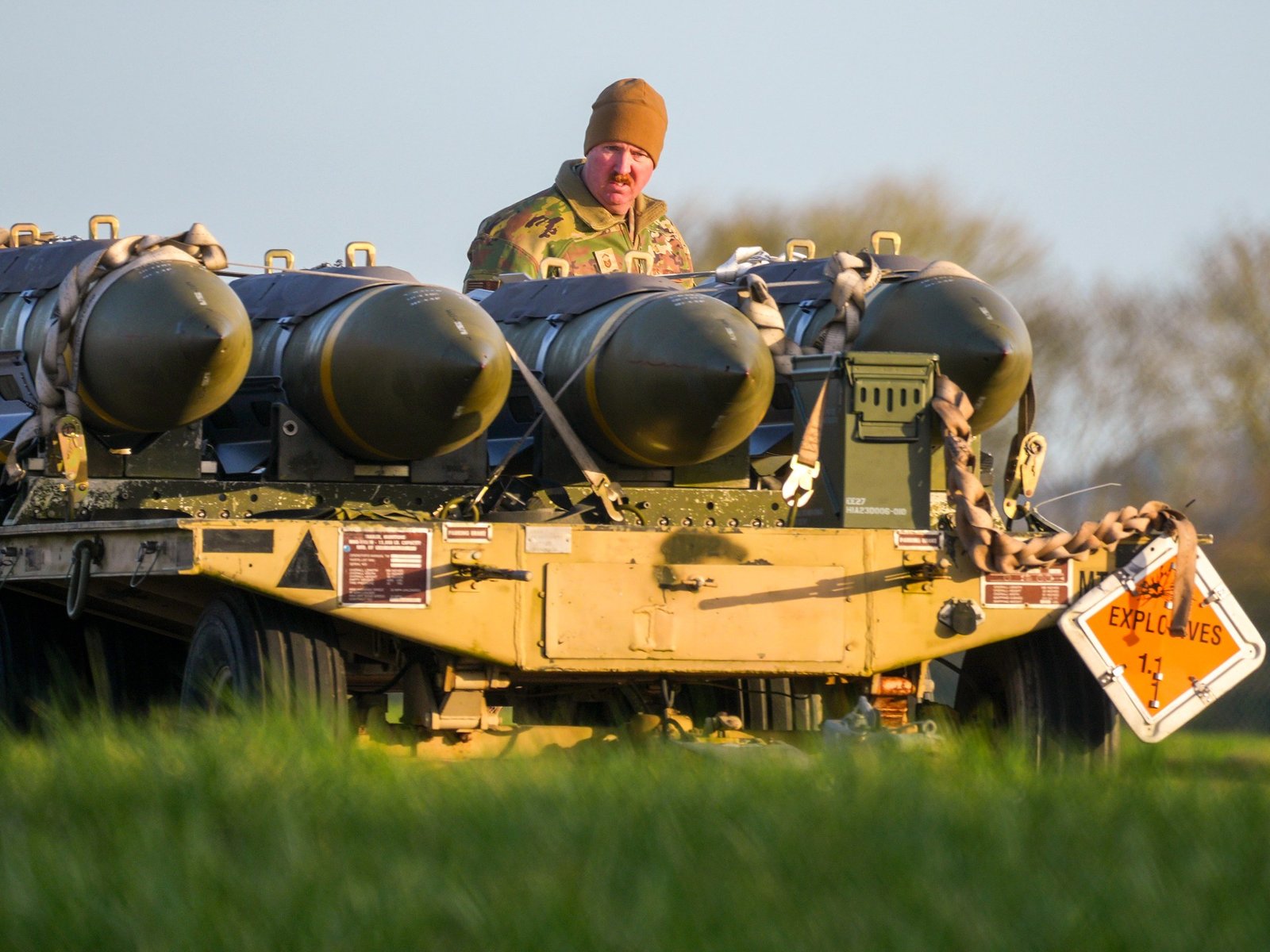
United States Defense Department officials told senators in March 2026 that the first six days of American military operations against Iran had cost more than 11.3 billion dollars. The figure was given during a closed-door classified briefing on Capitol Hill and was reported publicly on 12 March, as lawmakers pressed the administration for a clearer account of what the war was costing.
The estimate covered a narrow window. The United States and Israel began air strikes against Iran on 28 February 2026, and the six days measured from that date captured the opening phase of the campaign rather than anything approaching its full cost. Officials acknowledged that the number excluded significant categories of spending, including the build-up of military assets and personnel in the region before the first strikes were flown.
At least one senator who attended the briefing said afterwards that he believed the real cost was higher, pointing out that the figure did not appear to include the replacement of munitions expended. Precision-guided weapons are among the most expensive items in the inventory and among the slowest to replace, since production lines for advanced munitions cannot be scaled up quickly. Replenishment costs from a high-intensity air campaign are typically felt in defence budgets for years afterwards.
Defense Secretary Pete Hegseth characterised the operation, named Epic Fury, as delivering twice the airpower of the shock and awe campaign against Iraq in 2003. That comparison is a claim about the volume of ordnance and sorties rather than an independently verified measure, but it indicates the scale the department was describing to Congress. Sustained operations after the opening phase were later reported to be running at roughly a billion dollars a day.
Congressional aides indicated at the time that they expected the White House to submit a formal supplemental funding request, with figures around 50 billion dollars discussed. No such request had been transmitted when the briefing was reported, and the number reflected expectations among staff rather than an announced administration position. Supplemental appropriations of that size require passage through both chambers and have historically become vehicles for wider political bargaining.
The transparency dispute underlying the briefing is a recurring feature of American war funding. Operations conducted under existing authorities can be paid for initially from accounts already appropriated, which allows a campaign to begin without a separate vote. Congress then faces the choice of funding it retrospectively or refusing, by which point forces are already committed. Members of both parties have objected to that sequence in previous conflicts, and the classified format of the March briefing sharpened the complaint.
What a figure of this kind actually measures is worth stating plainly. Estimates of daily war costs generally capture the incremental expense of operations above peacetime baseline: fuel, flying hours, munitions used, transport, and the additional pay and allowances owed to deployed personnel. They do not capture the standing cost of maintaining the forces involved, which is already budgeted, nor the long-term costs of equipment wear, medical care for the wounded, or reconstitution of stocks.
That distinction matters for how quickly the number grows. The initial phase of an air campaign is typically the most expensive per day, because it front-loads the use of stand-off weapons against fixed targets such as air defences and command sites. Costs then fall somewhat before rising again if the campaign extends and stocks have to be bought back.
The cost figures also sat alongside a broader economic bill that extended well beyond the Pentagon. Energy markets reacted sharply to the fighting, with Qatar’s entire liquefied natural gas export system shut down at the beginning of March after attacks on its facilities, and shipping insurance rates across the Gulf and Red Sea rising. Those effects are borne by consumers and importers rather than by defence budgets, and they do not appear in any figure presented to Congress.
Operation Epic Fury ran from 28 February to 16 June 2026. Later assessments put the combined military and economic cost of the conflict far above the initial six-day estimate, with one published tally of a 108-day period reaching 113.3 billion dollars. Figures of that kind combine direct military spending with wider economic effects and vary considerably depending on what is counted.
For Yemen, the arithmetic of the war has a direct bearing. Yemen imports the overwhelming majority of its food and fuel, and its economy is exposed to any movement in shipping costs through the Red Sea and Bab al-Mandab. When freight and insurance rates rise across the region, the effect reaches Yemeni markets within weeks in the form of higher prices for staples and diesel. The country’s humanitarian response has meanwhile been chronically underfunded, with United Nations appeals for Yemen falling well short of their targets in successive years.
There is also a question of attention. A conflict absorbing tens of billions of dollars and the diplomatic bandwidth of the United States, the Gulf states and Europe leaves less capacity for the slower, less visible work of a Yemeni political settlement. Yemeni officials and aid organisations have repeatedly warned that the country’s file tends to slip down the agenda whenever a larger regional crisis is under way.
The administration did not publish a detailed breakdown of the 11.3 billion dollar figure, and the briefing at which it was presented remained classified.
About the Author