UK Tells UN Security Council Iranian Flights to Yemen Breach Its Sovereignty
 Yemen Herald News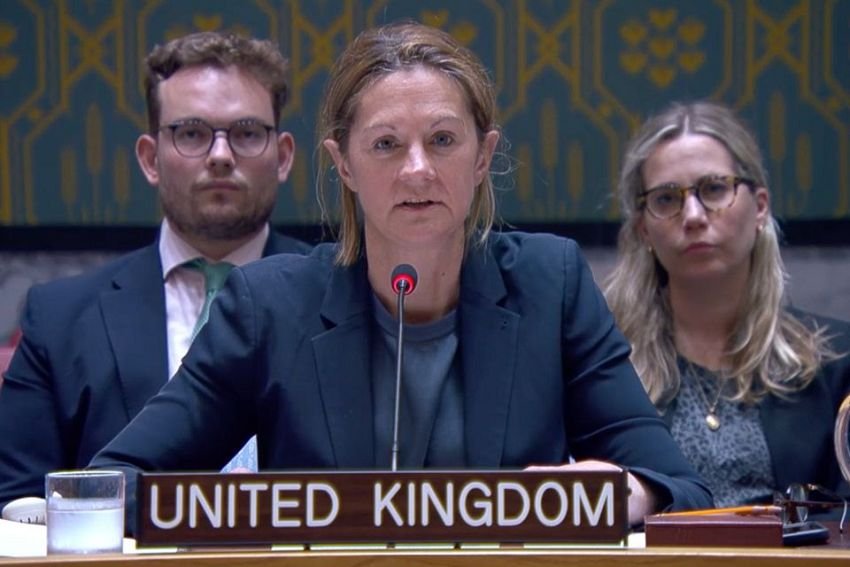
The United Kingdom has used a session of the United Nations Security Council to restate its support for Yemen’s sovereignty, independence and territorial integrity, urging all states to respect those principles as set out in the UN Charter. Britain requested the meeting together with the United States, France and Bahrain, framing it as a show of support for Yemen’s internationally recognised government and for wider stability in a region unsettled by weeks of escalation.
Addressing the council, Kate Foster, the acting UK ambassador to the United Nations, said she was deeply concerned by reports that two Iranian aircraft had landed in Yemen — on 3 July and again on 13 July — without permission or clearance from the relevant Yemeni authorities. Foster described the flights as a clear breach of Yemen’s sovereignty and a violation of international law, and said the pattern of unauthorised landings could not be treated as routine.
The circumstances of the flights have been contested. The Houthi authorities, who control Sana’a International Airport, said the first aircraft was a civilian flight carrying stranded travellers, wounded people and patients, and that it landed on 3 July after what they described as an attempt to block its arrival. When a second flight approached on 13 July, Yemen’s internationally recognised government said its forces struck the runway at Sana’a to prevent the landing; the aircraft, reported to be a Mahan Air jet, then diverted to Hodeidah on the Red Sea coast.
Foster warned that the significance of the flights would depend heavily on what the planes were carrying. If verified reports were to show that military personnel, technical experts or equipment had been moved to strengthen the Houthi movement, she said, that would indicate violations of Security Council resolutions 2216 and 2140, which underpin an arms embargo and other restrictions tied to the conflict. She called for the claims to be examined through established UN channels, including the council’s panel of experts, so that responsibility could be established on the basis of evidence.
The acting ambassador also set out Britain’s opposition to any step that would add to the Houthis’ military capabilities, arguing that such moves deepen Yemen’s instability and threaten the security of the wider region. She said the UK would continue to work with other council members, regional partners and the Yemeni government to press for the implementation of existing resolutions and to support a negotiated political settlement.
Foster’s remarks came against a backdrop of sharpening tension across the Gulf. In her statement, the UK expressed solidarity with countries in the region following a series of Iranian attacks in the preceding days that affected Qatar, Kuwait, Bahrain and Jordan, as well as reported strikes on shipping in the Strait of Hormuz. British officials tied the flights to Yemen to this broader picture, presenting them as part of a pattern of behaviour that risks widening an already dangerous confrontation.
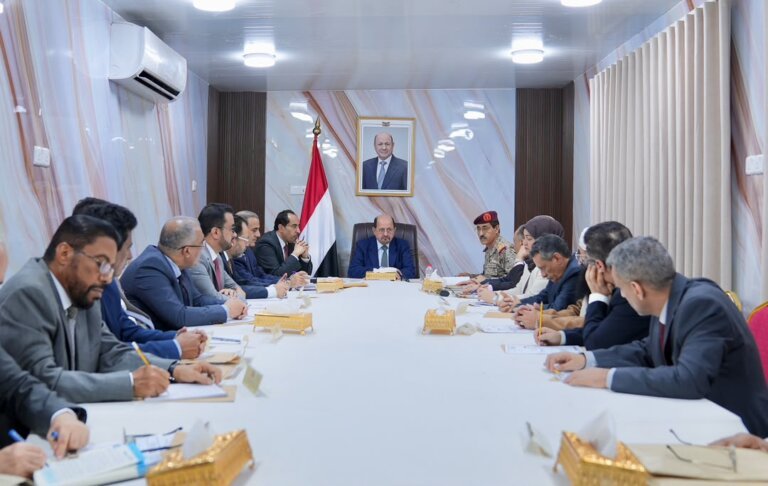
Yemen’s government has taken a similar line. The Presidential Leadership Council, which represents the internationally recognised authorities, condemned the direct flight to Sana’a as a blatant violation of the country’s sovereignty and a challenge to international law and to relevant Security Council resolutions. A grouping of Yemeni political parties issued a comparable statement, singling out Resolution 2216 and describing the landings as a direct affront to the country’s independence.
The dispute is unfolding within a conflict that has ground on since 2015 and produced one of the world’s most severe humanitarian emergencies. United Nations agencies estimate that more than 22 million Yemenis need some form of assistance in 2026, while some 5.2 million people remain displaced inside the country. Years of fighting, economic collapse and damaged infrastructure have left many communities exposed to recurring outbreaks of disease, including cholera and measles, and dependent on aid that is itself frequently disrupted.
The 13 July episode marked a further hardening of positions. After the government said it had targeted the Sana’a runway, the Houthis announced an end to what they had called a de-escalation phase and fired missiles toward Saudi Arabia, according to statements from the group and regional reporting. The exchange underlined how quickly a dispute over a single aircraft can feed into the broader military contest between the Houthis, the Yemeni government and their respective backers.
Yemen’s location gives the crisis an added strategic dimension. The Red Sea and the Bab al-Mandab Strait are among the world’s busiest maritime corridors, and instability along Yemen’s coast has repeatedly spilled into threats to international shipping. That geography helps explain why outside powers follow events in the country so closely, and why the government and its partners treat any external military involvement as a matter of regional, not only national, concern.
For now, the path to a settlement remains uncertain. The Presidential Leadership Council has sought to unify the array of factions aligned against the Houthis, but rivalries among Yemen’s political and military actors have complicated efforts to present a common front. British and allied diplomats argue that lasting stability will require an inclusive dialogue, sustained humanitarian support and a rebuilding of trust among Yemenis — goals that the latest flare-up over the Iranian flights has made harder, not easier, to reach.
About the Author