UN Security Council Weighs Ending Its Hodeidah Mission in Yemen
 Yemen Herald News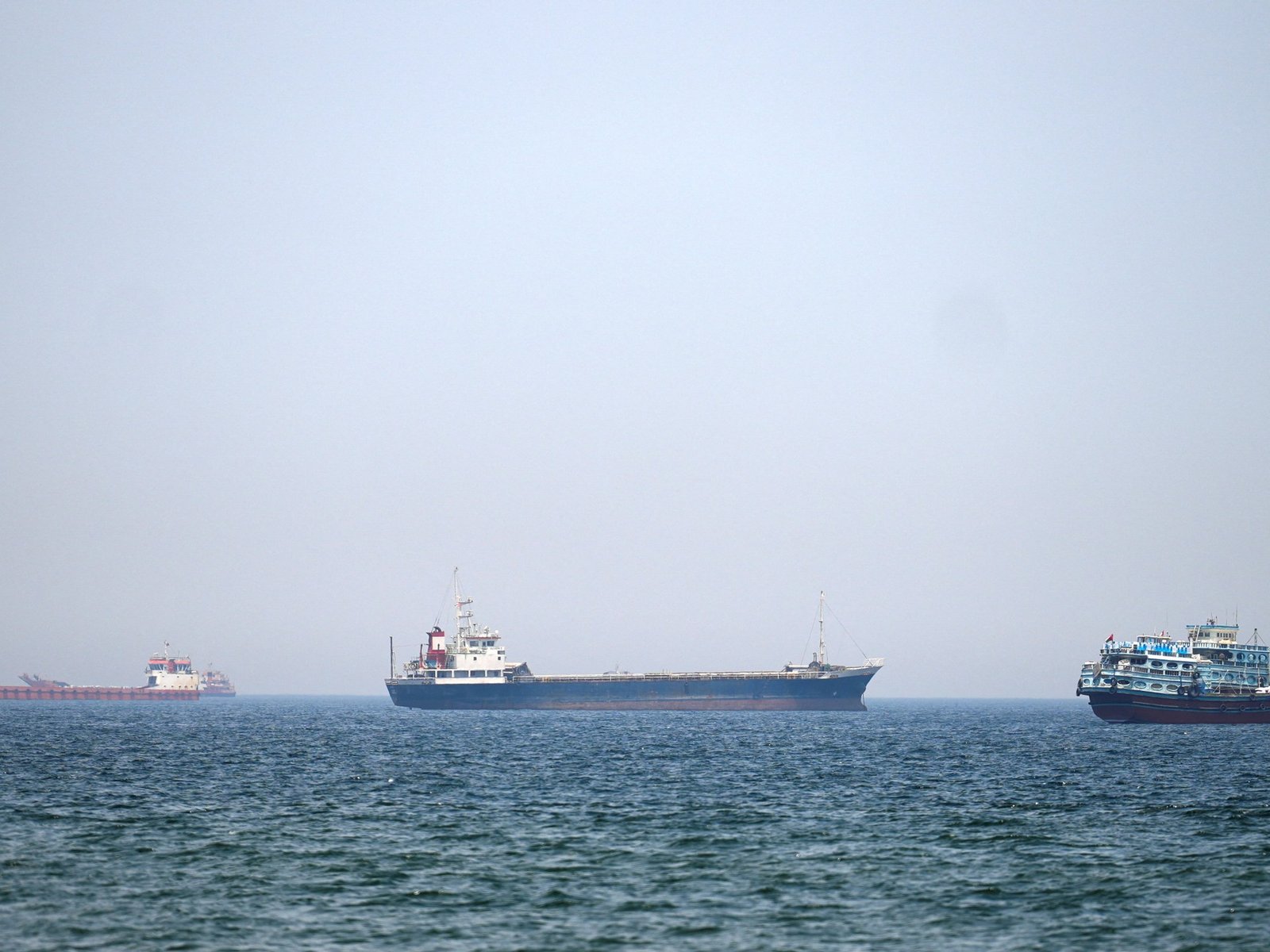
The UN Security Council is weighing a vote to end its Hodeidah mission in Yemen, in a decision that could carry significant implications for the country’s conflict and for international efforts surrounding it. The potential termination of the United Nations Mission to Support the Hodeidah Agreement, known as UNMHA, marks a notable juncture in the diplomacy relating to Yemen’s protracted war.
Yemen’s conflict, which has spiralled into one of the world’s worst humanitarian crises, has been shaped by a complex interplay of local, regional and international interests. The port of Hodeidah, a vital lifeline for humanitarian aid, has been a focal point of contention between the Houthi movement and the internationally recognised government.
UNMHA was established to oversee the implementation of the Stockholm Agreement, reached in December 2018, which aimed to de-escalate hostilities around Hodeidah and to facilitate humanitarian access. The mission has monitored the ceasefire and the situation in the area, playing a role in the international effort to sustain the fragile arrangements around the port.
The Hodeidah port is of critical importance to Yemen, serving as a principal entry point for the food, fuel and medicine on which the population depends. The country imports the overwhelming majority of its essential goods, and the functioning of the port is vital to the humanitarian situation and to the survival of millions of Yemenis.
The Stockholm Agreement, which UNMHA was created to support, was a significant achievement in the diplomacy surrounding Yemen’s conflict. The agreement helped avert a full-scale battle for Hodeidah and established arrangements intended to reduce hostilities and to protect the functioning of the port, though its implementation has faced challenges.
The mission has, at times, faced criticism and questions regarding its effectiveness and its role. Debates about the mandate, performance and future of such missions are common, and the potential decision to terminate UNMHA reflects considerations about its role in the evolving situation in Yemen and around Hodeidah.
The potential termination of the mission raises questions about the future of the arrangements it was created to support. The role of UNMHA in monitoring the situation around Hodeidah has been part of the international engagement with the area, and its ending could have implications for the oversight of the ceasefire and the port.
The Security Council’s role in decisions regarding missions such as UNMHA reflects its responsibility for international peace and security. The Council establishes and mandates such missions, and its decisions regarding their continuation or termination carry weight in shaping the international engagement with conflicts, including that in Yemen.
The implications of the decision for the situation around Hodeidah are a matter of concern. The port and the surrounding area have been sensitive elements of the conflict, and changes to the international oversight of the situation there could bear on the arrangements that have helped sustain a measure of calm and to protect humanitarian access.
The humanitarian significance of Hodeidah lends particular importance to considerations regarding the mission and the arrangements around the port. Given the reliance of the population on the goods entering through Hodeidah, the functioning of the port and the stability of the surrounding area are matters of vital humanitarian concern.
The complex interplay of interests in Yemen’s conflict forms the backdrop to the decision. The involvement of local, regional and international actors, each with their own considerations, shapes the environment in which decisions about missions such as UNMHA are made, adding to the significance and complexity of the situation.
The relative calm that has prevailed around Hodeidah, supported in part by the Stockholm Agreement and the mission, has been fragile. Sporadic tensions and the broader uncertainties of the conflict have persisted, and considerations about the future of the mission are bound up with the fragility of the arrangements around the port.
The future of international engagement with the situation around Hodeidah, following any termination of the mission, would depend on subsequent decisions and developments. The oversight of the ceasefire and the port has been an element of the international response, and its evolution would be shaped by the choices of the actors involved.
The decision regarding UNMHA reflects the broader evolution of international engagement with Yemen’s conflict. As the situation develops, the mandates and roles of missions and mechanisms are subject to review and change, and decisions regarding them reflect assessments of their effectiveness and relevance to the evolving circumstances.
The stakes of the decision, given the importance of Hodeidah and the fragility of the situation, are considerable. The port’s significance to the humanitarian situation and the sensitivity of the surrounding area lend weight to considerations about the mission and the arrangements it has supported, underscoring the significance of the Council’s decision.
The debate over UNMHA’s future also reflects a broader question that has hung over international engagement in Yemen: how to sustain the machinery of oversight and mediation through years in which a comprehensive settlement has remained out of reach. Missions established to support specific agreements can find their mandates outlasting the political momentum that created them, prompting periodic reassessments of whether they still serve their purpose. Whatever the Council decides, observers note, the underlying needs the mission was meant to address, protecting a lifeline port and helping hold a fragile calm, will not disappear with it, and any drawdown would leave open the question of what, if anything, takes its place.
For now, the potential vote to terminate UNMHA marks a significant juncture in the international engagement with Yemen’s conflict and with the situation around Hodeidah. As the Security Council weighs its decision, the implications for the oversight of the ceasefire, the functioning of the vital port and the broader situation remain matters of significant concern.
About the Author