US Ambassador Expresses Condolences on Former President Hadi’s Death
 Yemen Herald News
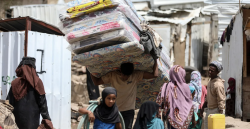
Yemen has faced prolonged instability and conflict since the outbreak of civil war in 2015, resulting from various internal and external political tensions. The Houthi movement, also known as Ansar Allah, launched an uprising against the Yemeni government, which was met with a military intervention led by a Saudi Arabian coalition. This escalation plunged the country into a multifaceted humanitarian crisis, with millions of Yemenis experiencing severe food insecurity, displacement, and a breakdown of essential services. International efforts have fluctuated, leading to a complex political landscape marked by divisions and humanitarian challenges.
Former President Abd-Rabu Mansour Hadi, who assumed the presidency in 2012 after a transitional agreement, played a significant role during this tumultuous period. His tenure was characterized by attempts to stabilize the nation amidst significant challenges posed by the Houthi insurgency, economic strife, and regional power struggles. Hadi’s government faced difficulties in establishing control while navigating the treacherous dynamics of Yemeni politics, including relationships with local factions and international players. Ultimately, he fled to Saudi Arabia in 2015, as Houthi forces advanced into major urban areas, signaling the collapse of his authority within Yemen.
Hadi's Presidency Overview
Hadi’s leadership was frequently affected by international relations, particularly with the United States. His administration worked to counter counter-terrorism threats, notably against al-Qaeda in the Arabian Peninsula, while also striving for closer ties with various nations to secure diplomatic and humanitarian assistance. Although his presidency faced considerable criticism and challenges, Hadi remained a pivotal figure in Yemen’s political landscape until his passing. His death marks a significant moment in Yemeni history, with implications that extend beyond the former president’s legacy to the entire nation.
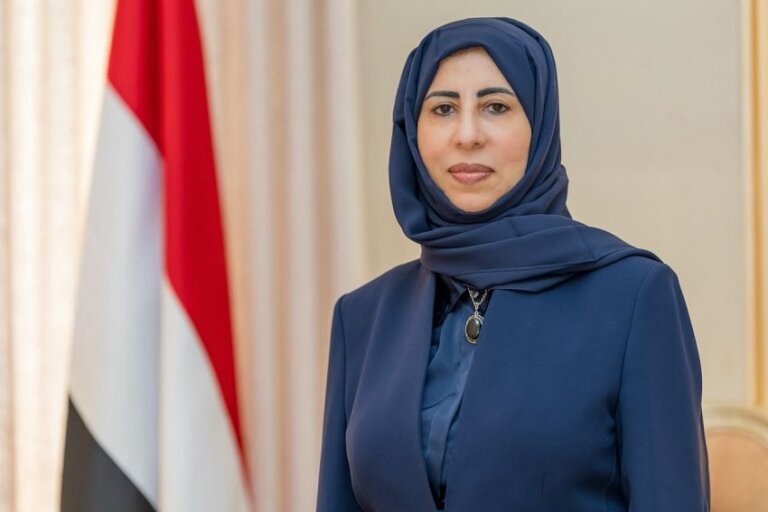
The recent passing of former President Abd-Rabu Mansour Hadi has created waves of condolences and reactions both within Yemen and internationally. Officials, including Steven Fagin, the U.S. Ambassador to Yemen, have expressed their sorrow and sympathies to Hadi’s family and the Yemeni public. This sentiment resonates throughout Yemen, where Hadi was a recognized figure who had navigated the country through its most trying moments. Acknowledgment of Hadi’s contributions is widespread, reflecting on his significant national service and his efforts to foster international relationships.
During his presidency, Hadi was often faced with the dual pressures of internal conflict and the need for foreign partnerships. His administration attempted to address the complexities presented by the Houthis, while also dealing with the impacts of foreign interventions, primarily from Saudi Arabia and the UAE. Hadi’s efforts to align Yemen closer to the United States included addressing mutual interests such as counter-terrorism and humanitarian assistance, which were often overshadowed by the pressing challenges of war and poverty in the country.
Challenges Faced by Hadi
Ambassador Fagin noted Hadi’s significant contributions, emphasizing the former president’s commitment to Yemen’s security and stability. The ambassador highlighted how, despite the turbulent political climate, Hadi dedicated himself to the welfare of the Yemeni people and made strides in strengthening Yemen’s diplomatic ties, particularly with the U.S. His death represents not only the loss of a political leader but also the potential for a shift in the delicate balance of power within the region.
The death of Abd-Rabu Mansour Hadi profoundly impacts various stakeholders within Yemen and the wider region. The Yemeni people have been at the heart of the ongoing conflict, enduring years of hardship. With Hadi’s passing, they face uncertainty about the future of their governance and the stability of their daily lives. His role was pivotal in forming an internationally recognized government, and his absence raises questions about the legitimacy and direction of leadership moving forward.
Impact of Hadi's Death
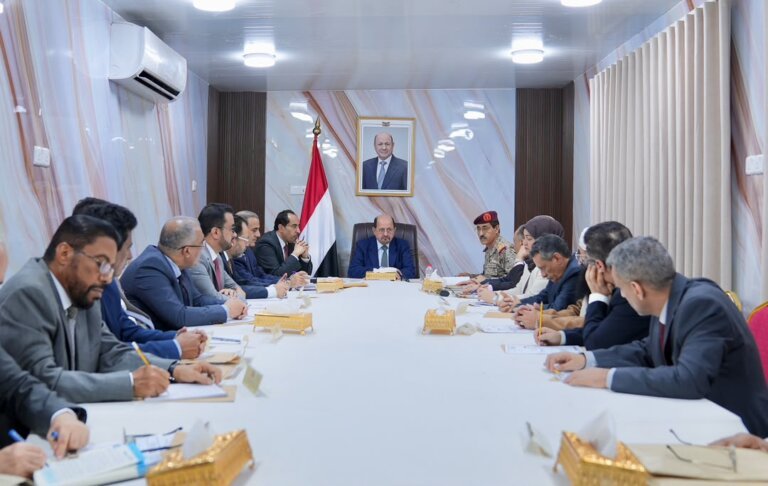
The Presidential Leadership Council, which was formed under Hadi’s leadership, finds itself at a crossroads. This council must now navigate its position without the guidance of its founding president. The members face the challenge of continuing to unite diverse factions that have historically been contentious, especially as the Houthis remain a dominant force with significant territorial control. This leadership group must focus on consolidating power while also addressing the needs of citizens who are desperate for a resolution to the ongoing conflict.
International stakeholders, including the United States and Saudi Arabia, also have a vested interest in Yemen’s future. The U.S. has historically maintained an influential role in regional security through counter-terrorism initiatives and diplomatic engagement. Hadi’s death may prompt U.S. policy reviews, as officials assess the implications for their strategies within Yemen. Similarly, Saudi Arabia, as a leading member of the coalition backing Hadi’s government, faces the task of recalibrating its approach to support stability in Yemen amidst the changing leadership landscape.
International Stakeholder Interests
Hadi’s death instantly reverberates throughout the Middle East, a region already fraught with tensions stemming from the Yemen conflict and broader geopolitical dynamics. The former president was seen as a crucial ally to Saudi Arabia within its efforts to form a bulwark against Iranian influence, which has manifested through the support of the Houthis. How regional actors respond to Hadi’s absence will likely influence the trajectory of the conflict and the balance of power in the Arabian Peninsula.
In light of this, Iran’s role may become more pronounced as various factions re-evaluate their strategies following the loss of a significant leadership figure. The Iranian-backed Houthis, having maintained substantial control over key areas in Yemen, might feel emboldened to further solidify their position or engage in military actions following Hadi’s passing. Consequently, tensions may escalate as Saudi Arabia and its allies seek to counter this influence, leading to increased military engagement or political maneuvering.
Iran's Potential Influence
Moreover, the broader humanitarian crisis in Yemen continues to pose a threat to regional stability. With millions of civilians in dire need of assistance, the implications of leadership changes affect international humanitarian efforts. If the new leadership under the Presidential Leadership Council fails to adequately address these issues, the prospects for peace and stability will remain dim, potentially leading to a deeper crisis that could spill over borders and cause ripple effects in neighboring countries.
The legacy of Abd-Rabu Mansour Hadi is complex, shaped by the multifaceted challenges he faced as president amid the ongoing civil war. His tenure was marked by attempts to unite a fractured nation, but also by struggles against powerful factions and external pressures. Critically, the perception of his leadership changed over time, with many acknowledging his efforts to maintain Yemen’s sovereignty even as circumstances deteriorated. His death signals a pivotal moment that could reshape the political landscape in Yemen and warrants careful consideration of the subsequent dynamics.
With the death of a high-profile leader like Hadi, questions arise about the stability and unity of the Presidential Leadership Council. The members must act decisively to assert their authority and command respect among various factions, especially as the Houthis and other militant groups continue their operations. If the council fails to present a coherent strategy that resonates with the Yemeni people, they risk alienating the population further and deepening divisions within the country.
Moreover, the international community will play a crucial role in shaping Yemen’s response to this upheaval. Continued engagement from major powers like the U.S. and regional stakeholders will be necessary, not only for military support but also for humanitarian aid. With Yemen standing on a precipice, the course of events in the coming weeks and months will determine whether the country can begin to chart a path towards recovery or if it will spiral further into chaos.
In the aftermath of Hadi’s passing, the immediate focus will need to be on the leadership succession within the Presidential Leadership Council. Members of the council must swiftly come together to demonstrate unity and a clear path forward, as any perceived leadership vacuum could open doors to opportunism among rival factions or exacerbate existing divisions. It will be essential for them to establish a strong political narrative that resonates with the Yemeni populace, addressing their needs effectively to gain support.
Simultaneously, regional powers such as Saudi Arabia will likely increase their engagement to ensure that a pro-Saudi administration remains in power, countering any attempts by the Houthis to further consolidate territorial control. Diplomatic maneuvers will be crucial in establishing coalitions both regionally and internationally to stabilize Yemen and prevent further deterioration of the situation. Key discussions about humanitarian assistance must also take place, given the dire circumstances facing millions within the country.
Furthermore, the international community must remain vigilant, as the situation in Yemen can quickly evolve. Increased focus on humanitarian assistance, coupled with pressure on conflicting parties to engage in dialogue, will be critical in finding a resolution to the ongoing conflict. All stakeholders must be prepared for the possibility of heightened tensions, not only within Yemen but across the region, as the power dynamics continue to shift following Hadi’s death. The path ahead is fraught with challenges, but it remains essential for all involved to strive for a peaceful resolution that prioritizes the welfare of the Yemeni people.
About the Author