Yemen and UNDP Discuss 2027-2029 Country Programme
 Yemen Herald News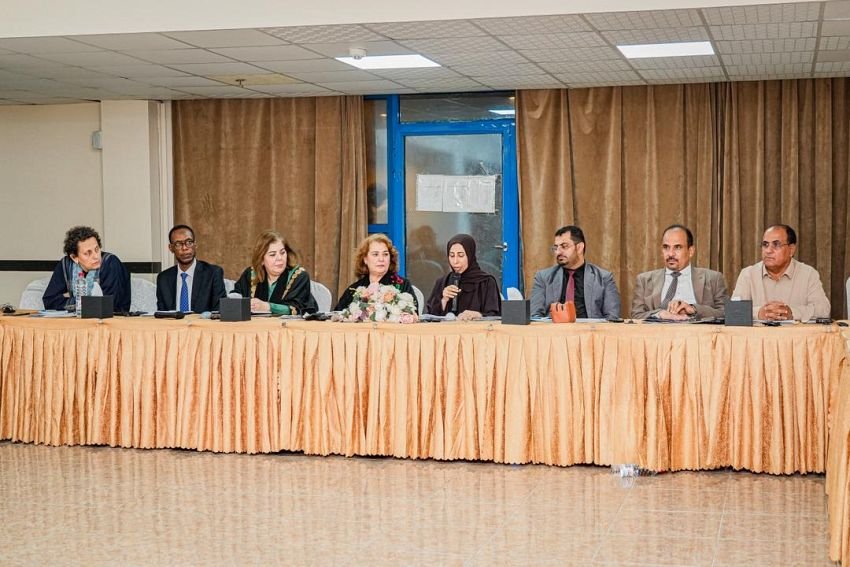
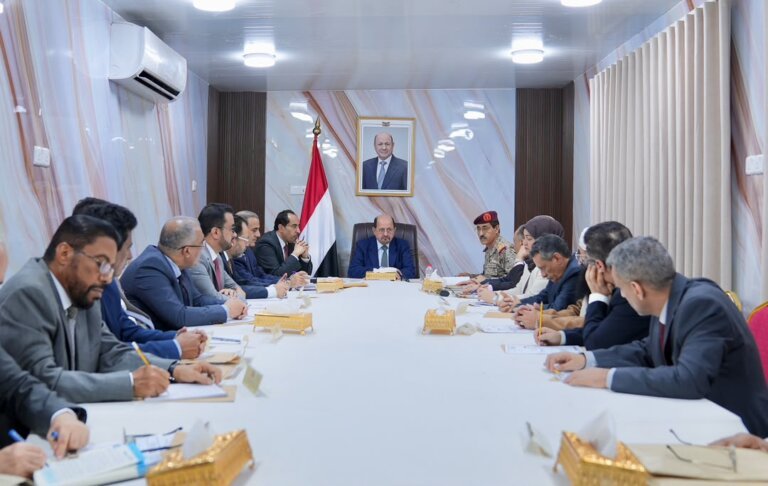
Yemen and the United Nations Development Programme have discussed the shape of the agency’s country programme for 2027 to 2029, in a meeting in Aden regarded as significant for the country’s recovery and future stability. The strategic direction of the programme, officials suggested, could influence whether development efforts catalyse meaningful progress or leave the country dependent on external assistance.
Yemen has been embroiled in conflict since 2015, in a war that has produced one of the world’s worst humanitarian crises. The conflict has devastated the economy, disrupted social structures and left millions in need of assistance, creating an environment in which the design of development programmes carries considerable weight for the country’s prospects.
The UNDP has been an important partner in Yemen, providing support across governance, economic recovery and social cohesion. Its involvement has contributed to efforts to sustain services and to strengthen institutions, and the development of a new country programme reflects a continued commitment to engagement structured around the country’s evolving needs.
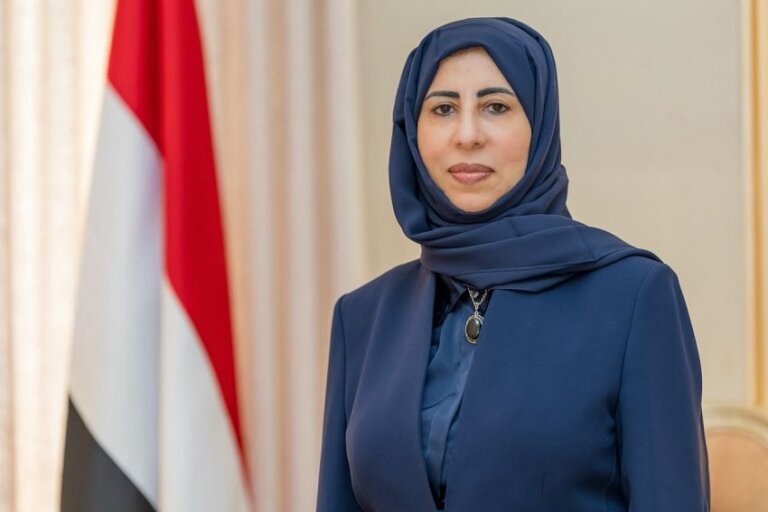
During the meeting, the Minister of Planning and International Cooperation, Dr. Afrah al-Zouba, called for a shift toward a development vision that empowers local communities. This emphasis reflects a view that development efforts are more effective and sustainable when they engage and build the capacities of the communities they are intended to benefit.
The call for a move beyond a traditional aid-based model reflects a recognition of the limits of relief in addressing the underlying challenges facing Yemen. While humanitarian assistance is essential to meeting immediate needs, longer-term development requires approaches that strengthen institutions, build capacities and foster self-reliance, reducing dependence on external support over time.
The empowerment of local communities, emphasised by the minister, reflects an approach that seeks to involve communities in shaping and implementing development. Engaging communities can make development efforts more responsive to local needs and more sustainable, embedding progress in the fabric of society rather than relying solely on external intervention.
A country programme document sets out the framework guiding an agency’s engagement with a country over a defined period. For the UNDP, such a document shapes its support and priorities, and developing one in consultation with the government helps ensure that it reflects the country’s needs and aligns with national plans and aspirations.
The focus on the period from 2027 to 2029 reflects a forward-looking horizon, considering how development efforts might be structured in the years ahead. Planning over such a horizon allows for a strategic approach to development, though its realisation will depend on the evolving situation in the country and the resources available.
The UNDP’s work on governance addresses the strengthening of institutions and the capacity of the state, which have been weakened by the conflict. Effective governance is central to development and to the delivery of services, and support in this area is important to rebuilding the institutions on which the country’s recovery depends.
Economic recovery, another focus of the UNDP’s engagement, reflects the centrality of reviving the economy to Yemen’s prospects. Years of conflict have devastated the economy, and supporting its recovery is essential both to relieving hardship and to building the foundations for stability, making it a priority for development efforts.
Social cohesion, also addressed by the UNDP’s work, reflects the importance of maintaining and strengthening the bonds within society amid the strains of conflict. Efforts to foster cohesion can help mitigate tensions and support stability, contributing to the conditions in which development and recovery can be pursued.
The shift in emphasis called for by the minister reflects a broader evolution in thinking about development in conflict-affected settings. The recognition that relief alone cannot address underlying challenges has led to greater emphasis on approaches that build resilience, strengthen institutions and empower communities, aiming for more durable outcomes.
The role of the Ministry of Planning and International Cooperation in shaping the programme reflects its function in coordinating development cooperation. The ministry works to align the contributions of partners with national priorities, and its engagement in developing the country programme reflects its role in directing the country’s development.
Realising the vision discussed will depend on resources, the evolving situation and the effectiveness of implementation. Development is a long-term undertaking, and translating a strategic vision into tangible outcomes requires sustained effort and favourable conditions, though the engagement of the government and the UNDP reflects a shared commitment to the effort.
The design of the country programme carries significance for how development is pursued in Yemen and for the country’s prospects. A programme oriented toward empowering communities and building resilience could contribute to more sustainable development, while the traditional reliance on aid has been recognised as insufficient to address the root causes of the country’s challenges.
The debate over how to move from relief toward development is sharpened in Yemen by the scale and duration of the crisis. Years of emergency assistance have kept millions alive, yet they have also, critics argue, entrenched a pattern in which needs are met from outside rather than generated within. The minister’s emphasis on local empowerment reflected an aspiration to break that cycle, channelling support in ways that leave behind stronger institutions and the beginnings of a self-sustaining economy. Whether a country still at war can make that transition remains an open question.
For now, the discussions on the UNDP country programme reflected the effort to shape development cooperation in a way that supports Yemen’s recovery and reduces dependence on aid. As the country looks toward the future, the strategic direction of such programmes, and their emphasis on empowering communities, will be important to its prospects for stability and development.
About the Author