Yemen names Afrah al-Zouba as its first female foreign minister
 Yemen Herald News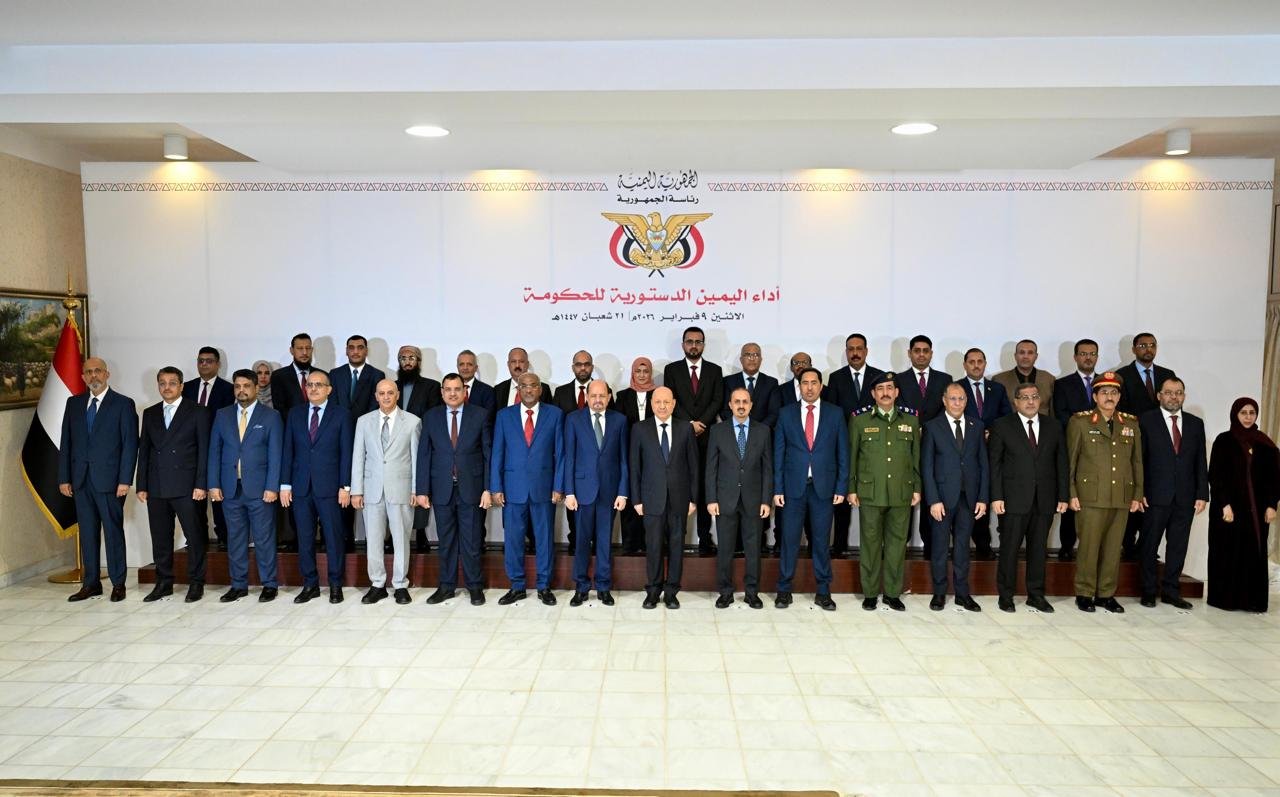
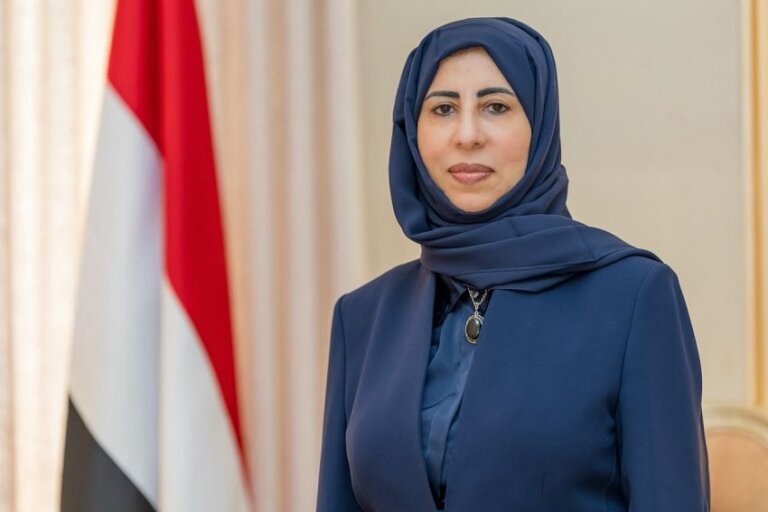
Yemen’s Presidential Leadership Council has handed two of the government’s most consequential portfolios to women, reshaping the top tier of an administration that until this year included no female ministers at all. On 23 July 2026, council chairman Rashad al-Alimi issued a presidential decree naming Dr Afrah Abdulaziz al-Zouba as Minister of Foreign Affairs and Expatriates and Dr Ahd Mohammed Salem Jaasous as Minister of Local Administration. Al-Zouba becomes the first woman to lead Yemeni diplomacy in the country’s modern political history.
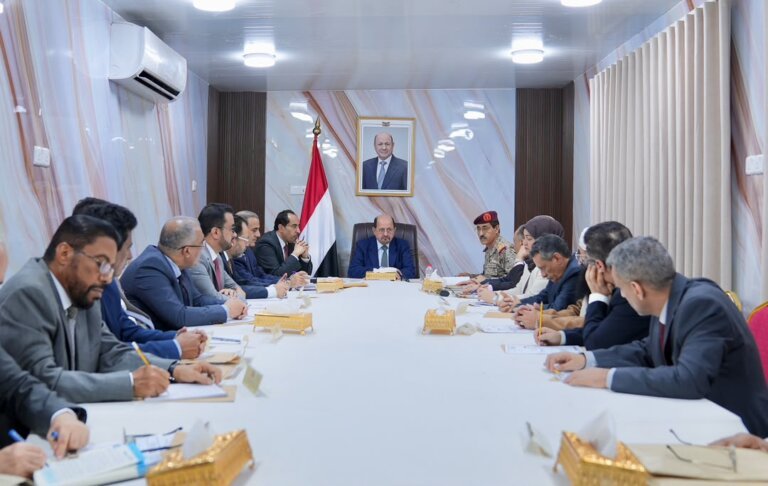
The decree amounted to a limited reshuffle rather than a wholesale change of government. Alongside the two appointments, it named engineer Badr Mohammed Mubarak Basalama as Minister of Planning and International Cooperation, the portfolio al-Zouba had held since joining the cabinet in February. The wider ministerial line-up formed earlier in the year under Prime Minister Shaya al-Zindani remains largely intact, which suggests the council was targeting specific files rather than restructuring the executive.
Al-Zouba arrives at the foreign ministry with roughly 25 years of experience in public administration, institutional governance and international development. She previously ran the executive body that coordinates donor pledges and oversees reform programmes, work that put her in regular contact with the World Bank, the International Monetary Fund and the Saudi Development and Reconstruction Programme for Yemen. That background is unusual for a Yemeni foreign minister, whose brief has traditionally been dominated by career diplomats, and it points to a government that increasingly treats aid coordination and economic credibility as instruments of foreign policy.
Jaasous moves to local administration from the post of Minister of State for Women’s Affairs. The transfer matters because local administration is not a symbolic ministry. It oversees governorates and districts, municipal budgets, service delivery and the relationship between the central government and local authorities that have accumulated significant autonomy during a decade of war. Whoever holds it deals directly with water, electricity, waste and local revenue in areas where public services have deteriorated sharply.
The two appointments build on a shift that began in February, when the Presidential Leadership Council approved a new government under al-Zindani that included three women among its ministers. The previous cabinet had contained none, an absence that drew criticism from Yemeni civil society groups and international partners who had pressed for female representation in the internationally recognised government.
Women have also gained ground in the judiciary and the diplomatic service. In 2022, Judge Sabah al-Alwani became the first woman appointed to the Supreme Judicial Council, Yemen’s highest judicial authority, after three decades in the public prosecution service. Women have since been appointed to the Supreme Court as well. In the diplomatic field, Jamila Ali Raja took the oath as Yemen’s ambassador to the United States, becoming the first woman to represent the country in Washington, and presented her credentials at the White House earlier this year.
These are real advances measured against a low baseline. For most of Yemen’s modern history, women who entered public service were confined to junior or advisory positions with little influence over policy. Ministries that control budgets, security files or external relations remained closed to them. The appointments of al-Zouba and Jaasous break that pattern in two of the areas where decisions carry the greatest weight.
The picture outside government-held territory is considerably harsher. In areas administered by the Houthi movement, United Nations agencies and humanitarian organisations have reported sustained restrictions on women’s movement and employment, including requirements that female staff travel with a male guardian. Aid groups say those rules have limited their ability to reach women and children, who make up the majority of people needing assistance. Yemeni women’s organisations have continued to operate in that environment, often at considerable personal risk, documenting abuses and delivering relief where formal institutions have collapsed.
Whether the new appointments translate into influence will depend on factors largely outside the ministers’ control. The government operates from Aden and, for extended periods, from Riyadh. Its revenues have been squeezed since Houthi attacks on oil terminals halted crude exports, the riyal has lost much of its value in government-held areas, and salaries for public employees are frequently delayed. A foreign minister with a development background may be well placed to argue Yemen’s case to donors, but she inherits a treasury with little room to manoeuvre and a peace process that has stalled.
There is also the question of whether the reshuffle reflects a durable commitment or a response to external pressure. Yemen’s international backers have repeatedly linked support to governance reform and inclusion, and cabinet changes in Sanaa and Aden have historically owed as much to factional bargaining among the council’s constituent parties as to merit. The test will be whether the two ministers are given the authority and the budgets to run their departments, and whether further appointments follow at the level of deputy ministers, governors and heads of state bodies.
For now, the significance is difficult to dispute. Yemen has spent more than ten years near the bottom of global rankings for women’s political participation. Placing a woman in charge of its relations with the outside world, and another in charge of the machinery that governs its provinces, changes what is considered possible within the state apparatus. The practical consequences will become clear over the coming months, as both ministers begin work on files that have defeated a long line of predecessors.
About the Author