
Yemenia to Resume Jeddah–Socotra Flights in Late September
 Yemen Herald News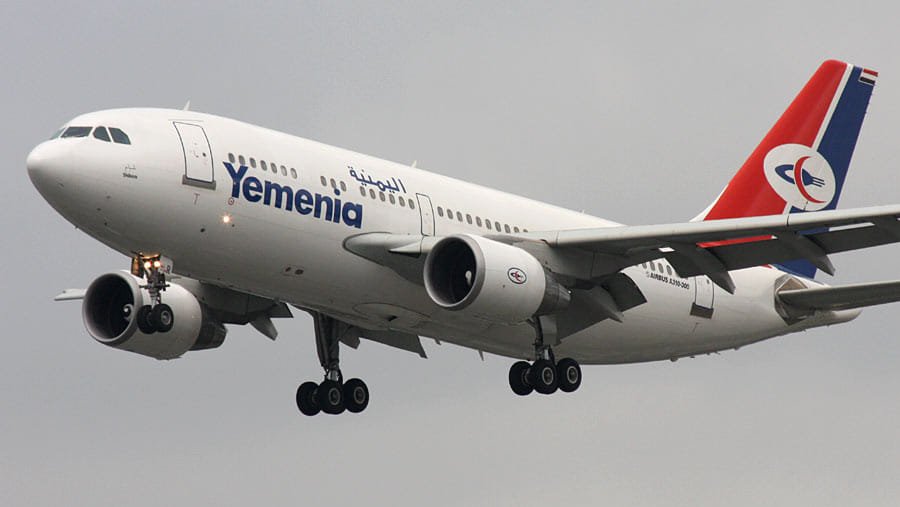
Yemenia Airways has announced that it will resume scheduled flights between Jeddah, in Saudi Arabia, and the Yemeni island of Socotra, with the first service due to operate on 29 September. The national carrier said it would run three round-trip flights a week on the route, part of a wider effort to expand its network and improve connectivity at a time when the country’s transport links remain fragile.
The airline said tickets were already available through its authorised reservation system, a step it presented as evidence of a commitment to better customer service and smoother access for travellers. For an island that has spent years on the margins of Yemen’s air network, the return of a direct link to a major Saudi hub is a notable development, opening a more reliable path for residents, business travellers and tourists alike.
Socotra, which lies in the Arabian Sea far from the Yemeni mainland, is best known for a landscape found nowhere else on earth. Its dragon’s blood trees and other endemic species have earned it a place on UNESCO’s World Heritage list and a reputation as a natural wonder that has long drawn adventurous visitors. The island has been comparatively insulated from the front-line fighting that has devastated much of the mainland, which has helped preserve its appeal as a destination even as the wider conflict has curtailed travel across Yemen. Lying several hundred kilometres from the mainland, closer to the Horn of Africa than to the Yemeni coast, the archipelago is sometimes described as the Galapagos of the Indian Ocean for the concentration of plants and animals that exist only there, a distinction that has made it a magnet for naturalists and photographers.
The resumption of the Jeddah route builds on a gradual reopening of Socotra’s connections to the outside world. Earlier flights linking the island with Jeddah carried groups of tourists, and the airline has been steadily adding services from other airports as demand has recovered. Officials and operators hope that a regular, thrice-weekly schedule will give the local tourism sector a firmer footing after years of disruption.
Three weekly flights, the airline suggested, could help ease the isolation that has weighed on Socotra’s economy. Improved access may make it easier to move goods and people, support small businesses that depend on visitors, and reduce the practical difficulties of reaching an island that has often been cut off by irregular transport. For a community that has struggled through years of civil war and humanitarian strain, more dependable air links carry both economic and social significance.
The benefits, officials argue, could extend beyond tourism and commerce. In a country where more than 18 million people need humanitarian assistance, functioning air routes can support the delivery of aid and, when necessary, medical evacuations. Better connectivity may help relief organisations reach remote populations and respond to recurring health emergencies, including outbreaks of cholera and measles that have hit vulnerable communities hard.
Socotra’s governance has been shaped by the broader contest for influence in southern Yemen. Control of the island has been a sensitive issue during the war, with the Southern Transitional Council, which is backed by the United Arab Emirates, playing a prominent role there alongside the internationally recognised government. The restoration of scheduled flights points to a measure of stability in the island’s air traffic, which had been repeatedly interrupted by the turbulence of recent years.
Analysts caution against reading too much into a single commercial decision, but they note that in a fractured country even routine infrastructure carries political weight. Every restored link is assessed against the backdrop of the rivalry between the Iran-aligned Houthi movement and the Saudi-led coalition, and against the competing interests of the factions that hold sway in different regions. In that context, the reopening of a route to Socotra is as much a signal of relative calm as it is a business move.
For Yemenia itself, the expansion is part of a strategy to rebuild its presence in a difficult market. By adding routes to less-travelled destinations, the airline is positioning itself to capture demand that other carriers have been slow to serve. If the Jeddah-Socotra service proves successful, it could strengthen the airline’s standing and encourage it to restore or launch further connections within Yemen and the surrounding region.
The timing of the announcement has drawn attention, coming amid cautious hopes for calmer conditions and continued talk of steps toward a durable ceasefire. Local residents, government bodies and international partners will be watching to see whether the new schedule holds and whether it encourages investment in tourism and related services. For now, the return of the Jeddah-Socotra route stands as a modest but tangible sign of an island trying to reconnect with the world, and of an airline betting that recovery, however uneven, is under way.
Whether the service lives up to those hopes will depend on factors beyond the airline’s control, from security conditions to the pace of any political settlement. Even so, for many Socotris the prospect of regular flights to Jeddah is a welcome change after years in which reaching the mainland or the Gulf could be an uncertain and costly undertaking.
About the Author




