Yemen’s Envoy in Rome Presses WFP Donors for Flexible Funding Amid Deepening Hunger
 Yemen Herald News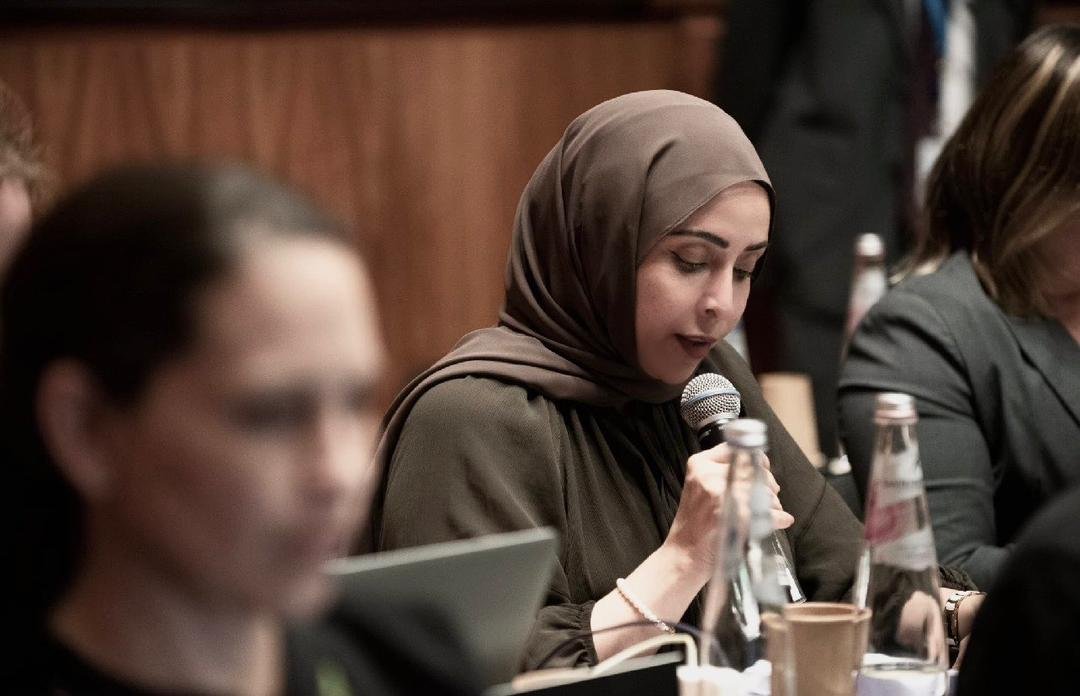
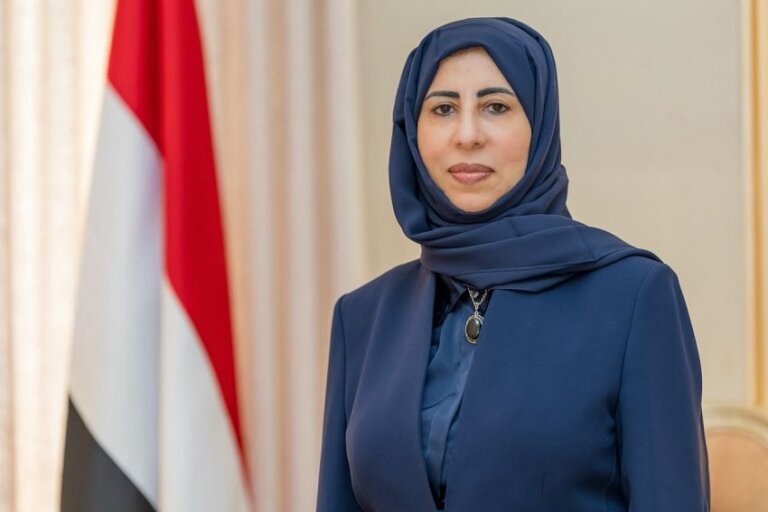
Yemen’s Ambassador to Italy and Permanent Representative to the United Nations agencies in Rome, Asmahan al-Toqi, has appealed to the international community for flexible and sustainable funding to strengthen humanitarian efforts across her country. Speaking at a session of the Executive Board of the World Food Programme, she warned that the scale of need is outpacing the resources available and urged donors to prioritise emergency food assistance for the most vulnerable segments of the population, while cautioning that relief alone cannot resolve the deeper causes of Yemen’s food insecurity at a moment when funding shortfalls have become acute.
Al-Toqi placed particular emphasis on the value of funding that can be deployed according to national priorities rather than being tightly earmarked. Flexible contributions, she argued, allow the World Food Programme and its partners to direct resources to where they are most urgently required, adapting quickly as circumstances change on the ground. That adaptability, she suggested, can mean the difference between reaching families in time and arriving after the worst has already taken hold, particularly in a country where conditions can deteriorate rapidly when fighting flares or supply lines are disrupted.
The human reality behind the appeal is measured in daily hardship. Access to basic necessities has become precarious for many households, and aid agencies have raised persistent concerns about child malnutrition and the associated health risks. Al-Toqi underlined that meeting these immediate needs is essential, but stressed that emergency relief, however vital, cannot by itself repair the structural weaknesses that leave so much of the population exposed to hunger whenever funding falters or violence intensifies. Her message combined an urgent call for resources with a plea to address the longer-term roots of the crisis.
Central to her remarks was a call to look beyond short-term aid towards more durable solutions. She stressed the importance of fostering local ownership, contending that empowering Yemeni communities and institutions is fundamental to building approaches suited to the country’s specific circumstances. By strengthening the link between humanitarian assistance, development and stability, she argued, the response could gradually build resilience rather than simply sustaining dependence on external support over an open-ended horizon, an approach she framed as both more effective and more sustainable for donors and recipients alike.
In her remarks, al-Toqi tied Yemen’s situation to a broader principle that humanitarian organisations have increasingly embraced: the so-called humanitarian, development and peace nexus, which holds that emergency aid, longer-term development and efforts to consolidate stability should be pursued together rather than in isolation. Applied to Yemen, the idea suggests that food assistance is most effective when it is paired with investment in local capacity, livelihoods and institutions, so that communities are gradually better able to withstand shocks without immediate recourse to outside help whenever a new emergency arises.
The World Food Programme has long been one of the largest providers of assistance in Yemen, where years of conflict have pushed millions into acute need. The agency’s operations have repeatedly been constrained by funding shortfalls, forcing difficult decisions about who receives help and how much, and at times compelling reductions in rations or the number of people reached. Against that backdrop, al-Toqi’s plea for predictable resources reflected a concern shared widely among humanitarian organisations working in the country, where uncertainty over funding complicates planning and delivery.
Yemen’s vulnerability is compounded by its position at a strategically sensitive crossroads. The waters of the Red Sea and the Bab al-Mandab Strait are among the world’s most important maritime routes, and instability around them carries implications for regional trade and security. The conflict has drawn in a range of external actors, with the Houthi movement on one side and a Saudi-led coalition on the other, a configuration that has deepened the humanitarian toll and complicated the delivery of aid to those who need it most across contested and hard-to-reach areas of the country.
The timing of such appeals matters because humanitarian budgets are under strain worldwide, with competing emergencies dividing the attention and resources of donor governments. Aid officials frequently warn of donor fatigue, a gradual erosion of contributions as crises become protracted and slip from the headlines. For a country such as Yemen, that dynamic is especially dangerous, since reduced funding can coincide with precisely the moment when conditions are deteriorating and the number of people unable to meet their basic food needs is rising rather than falling.
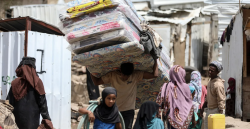
Public health pressures add a further layer of difficulty. Recurring outbreaks of diseases such as cholera and measles have hit displaced communities hardest, striking populations already weakened by hunger and limited access to clean water and medical care. Yemen hosts a large internally displaced population, with millions forced from their homes living in crowded conditions where sanitation and health services are stretched thin. Those circumstances leave such communities especially exposed to both illness and food shortages, reinforcing the case al-Toqi made for sustained and adaptable support.
Looking ahead, the prospects for the country are bound up with both the immediate humanitarian response and the longer search for a durable political settlement. International mediation has so far produced limited results, and aid workers caution that without a sustained reduction in fighting, meaningful improvement in conditions will remain elusive. The emphasis on local ownership that al-Toqi advocates is presented as a way to connect emergency relief with the slow work of recovery, offering a framework that might help Yemen withstand future shocks even as the search for peace continues.
About the Author