Yemen’s Interior Ministry Joins 17th Arab Security Media Conference in Tunisia
 Yemen Herald News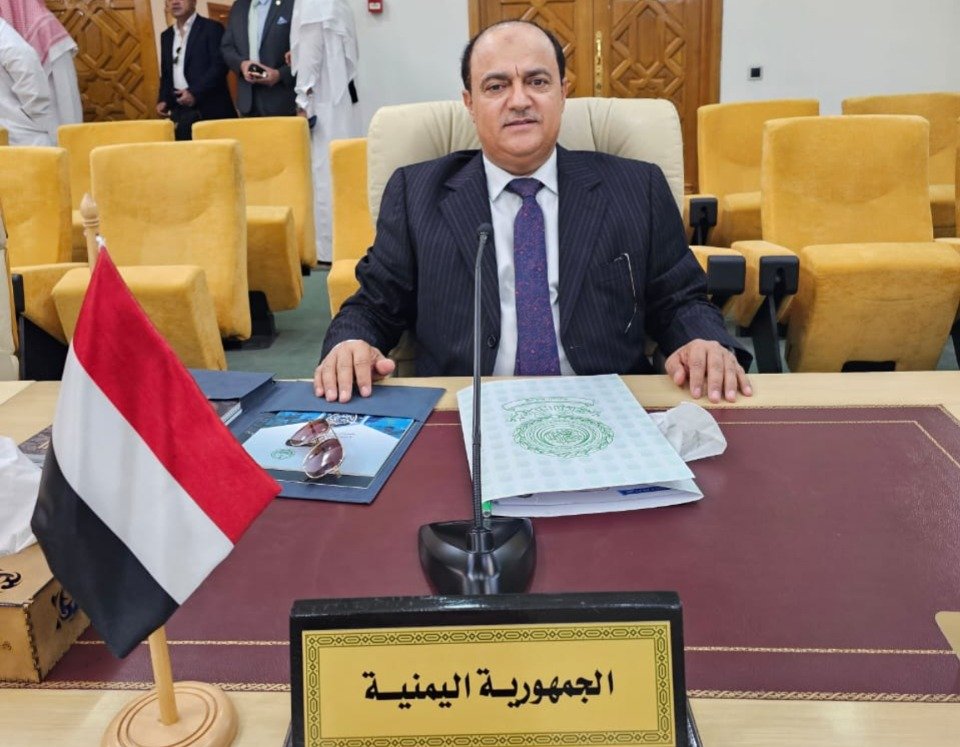
Yemen’s Ministry of Interior has taken part in the 17th Arab Conference of Heads of Security Media Agencies, held at the General Secretariat of the Council of Arab Interior Ministers in Tunisia. The gathering brought together security-media officials from across the Arab world, along with representatives of the League of Arab States, the Arab States Broadcasting Union and Naif Arab University for Security Sciences. Organisers said the conference was intended to deepen cooperation and raise the standard of security communication throughout the region, with a particular focus on the shared challenges of crime and terrorism.
Dr. Mohammed Koman, the council’s secretary-general, used his opening remarks to stress the importance of strengthening Arab security media. He argued that well-managed communication can raise public awareness, support crime prevention and help counter the messaging of extremist and terrorist groups. Koman also called on member states to make fuller use of modern technology, including artificial intelligence, to reach audiences more effectively — especially younger people who increasingly get their information through digital and social platforms rather than traditional outlets.
Yemen was represented by Brig. Gen. Dr. Faisal al-Odayni, director-general of the Strategic Studies Centre within the Ministry of Interior. His attendance reflected the government’s effort to remain engaged in regional security forums despite the strains of a conflict that has consumed the country since 2015, when the Houthi movement seized the capital and a Saudi-led coalition intervened to restore the internationally recognised government. For Yemeni institutions, security communication has taken on added weight in an environment where competing narratives circulate widely.
The Council of Arab Interior Ministers, whose general secretariat is based in Tunis, has long served as a vehicle for coordinating policing, counterterrorism and civil-defence policy among member states, and its specialised conferences bring together officials working in narrower fields such as security media. Holding the seventeenth edition of the gathering pointed to the steady institutionalisation of that cooperation over the years. For Yemen, taking a seat at the table alongside better-resourced neighbours offered both an opportunity to learn from their experience and a chance to keep its own concerns on the regional agenda.
Delegates discussed a range of issues tied to the development of security media across Arab states. Much of the conversation centred on how agencies can engage younger audiences through digital channels and on how countries can share practical experience in confronting terrorism. Participants pointed to the value of exchanging lessons learned, arguing that approaches proven effective in one country could be adapted elsewhere to strengthen the region’s collective response to violent extremism and organised crime.
The conference also examined the role of security media in preventing crime and improving public knowledge. Speakers noted that credible communication can shape how communities perceive threats and respond to them, and that informing the public about crime trends and prevention methods can encourage vigilance and cooperation with the authorities. Rather than treating media as an afterthought, delegates framed it as a central instrument of modern security policy that can either build or erode public trust.
Artificial intelligence emerged as a recurring theme. Officials explored how AI tools might help agencies analyse data more quickly and craft messages tailored to particular audiences, allowing them to respond to fast-moving events with greater precision. At the same time, the discussions acknowledged that new technologies bring risks as well as opportunities, and that security communicators must keep pace with the same platforms increasingly exploited by criminal and extremist networks.
For many participants, the meeting came at a pivotal moment. The region’s complex political and security landscape, they argued, makes it an opportune time for governments to invest in more sophisticated communication strategies. By drawing on the collective experience shared at the conference, states including Yemen may be able to design more dynamic campaigns aimed at crime prevention, community awareness and social resilience against the appeal of extremist ideologies.
Yemen’s own circumstances add further complexity to that task. The country is grappling with one of the world’s most severe humanitarian crises, with United Nations agencies estimating that more than 18 million people require some form of assistance and millions more displaced from their homes. In such conditions, officials suggested, security messaging cannot be separated from humanitarian communication; keeping the public informed about available aid and services is itself part of maintaining stability.
The forum served as a meeting point for practitioners and policymakers working in a field that has grown steadily more important as information spreads faster and further than ever before. The collaborative atmosphere, participants said, encouraged an exchange of ideas that could support regional stability and a more unified stance against shared threats. For a country as strained as Yemen, insights drawn from such gatherings carry particular practical value.
Looking ahead, the conclusions reached in Tunisia could influence how Yemen and its neighbours approach security communication in the years to come. Closer coordination among Arab states, delegates argued, is essential to building a common front against extremism and crime, and the successful adoption of these strategies could reinforce security frameworks both nationally and regionally. Yemen’s participation, officials said, signalled its intent to stay part of that conversation even as it contends with pressing challenges at home.
About the Author