
Yemen’s Prime Minister Makes Expanding Rural Drinking Water Access a Top Priority
 Yemen Herald News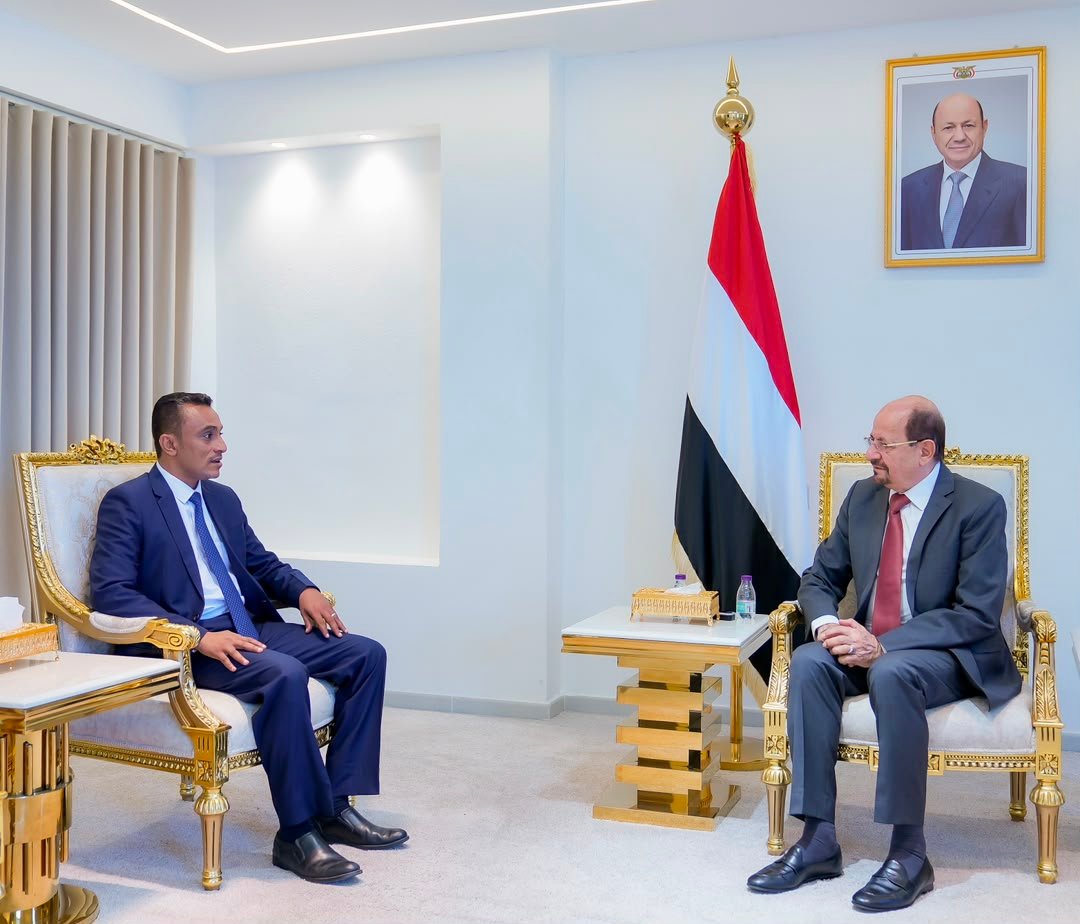
Yemen’s Prime Minister, Dr Shaya al-Zindani, has placed the expansion of drinking water access in rural areas at the top of his government’s list of priorities, describing safe water as fundamental to public health and to easing the hardships endured by citizens after years of war. He set out that commitment during a meeting in Aden with the chairman of the General Authority for Rural Water Projects, in which the two reviewed the state of the sector and the obstacles standing in its way.
Al-Zindani, who took office as prime minister in early 2026 as part of a reshaped government, framed water provision as a test of the state’s ability to deliver for its people. He stressed that projects must translate into tangible improvements on the ground rather than stalling as half-finished works, and called for clear plans and firm accountability so that scarce resources reach the communities that need them most. The emphasis on delivery reflected a broader effort to show that the authorities can still function despite acute financial strain.
A recurring theme of the meeting was the importance of coordination. Al-Zindani urged closer cooperation between the authority, local governance bodies, international partners and potential donors, arguing that such a multi-faceted approach is essential to attract the additional funding and technical support the sector badly needs. With the government’s own finances severely constrained, external backing is likely to determine how far and how fast rural water projects can realistically advance in the months ahead.
The chairman briefed the prime minister on the authority’s current portfolio, outlining both the progress achieved so far and the difficulties that continue to hamper delivery. The rural water sector, he indicated, has been held back by logistical hurdles and funding shortfalls, leaving critical gaps in service, especially in communities most exposed to the effects of the civil war and the wider economic decline that has accompanied it. Closing those gaps, he suggested, would require sustained investment rather than one-off interventions.
The need is acute. The United Nations estimates that some 14.4 million people in Yemen will require water, sanitation and hygiene assistance in 2026, as water scarcity and damaged infrastructure heighten the risks to public health. That figure sits within a broader emergency in which more than 22 million people are expected to need humanitarian aid and protection across the country over the same period, and in which aid agencies have appealed for well over two billion dollars to fund their response.
Contaminated or scarce water compounds the danger, leaving children in particular vulnerable to illnesses that safe water and basic hygiene could help prevent, which is part of why the government casts water provision as a frontline health intervention. Outbreaks of waterborne disease, including cholera, have repeatedly strained Yemen’s weakened health system, and officials argue that reliable supplies would reduce both the human toll and the recurring cost of responding to preventable crises.
Beyond immediate health concerns, access to clean water is closely tied to broader socioeconomic stability. For families already struggling with the harsh realities of displacement, lost livelihoods and rising prices, dependable water supplies can reduce daily burdens, support agriculture and small enterprise, and foster a measure of community resilience. In that sense, water projects are viewed not only as relief but as building blocks for an eventual recovery that remains distant while the conflict endures.
Delivering on these ambitions will depend heavily on partnership. The effectiveness of collaboration between central and local government and international allies will shape the scale and success of efforts to rebuild Yemen’s deteriorating infrastructure. Local authorities, with their knowledge of conditions on the ground, are seen as essential to identifying priorities and maintaining projects once they are built, so that hard-won gains are not quickly undone when emergency support recedes or attention shifts elsewhere.
Al-Zindani’s government appears to view rural water as a potential template for tackling other infrastructure needs across the country. Demonstrable progress in a sector as visible and essential as water could, officials suggest, help restore a degree of public trust in state institutions, showing citizens that the government is capable of delivering practical improvements even amid conflict and financial hardship. That symbolic dimension matters as much as the practical one for a state seeking to reassert its relevance.
Rural Yemen faces particular water stress. Years of over-extraction have driven groundwater levels sharply lower in many areas, while the war has damaged wells, pumping stations and distribution networks and cut the fuel and power needed to run them. Many households have been forced to rely on expensive trucked-in water or on distant and often unsafe sources, a burden falling heaviest on the women and children who often collect it. Restoring reliable local supply, officials argue, would ease that daily strain and reduce dependence on costly emergency deliveries.
The water push also fits within a wider drive to revive public services in government-held areas. Yemen has recently benefited from external development support, including Saudi-funded programmes channelled through relief and reconstruction bodies that have backed projects across health, water and other essential sectors, while officials in Aden have pressed ahead with efforts to stabilise the electricity grid and other basic utilities. Those efforts, however, remain fragile: a depreciating currency, irregular public salaries and the constant threat of renewed fighting all complicate the task of planning and financing long-term projects, and aid officials caution that development gains can be reversed quickly if the security situation deteriorates.
About the Author




