Yemen Herald News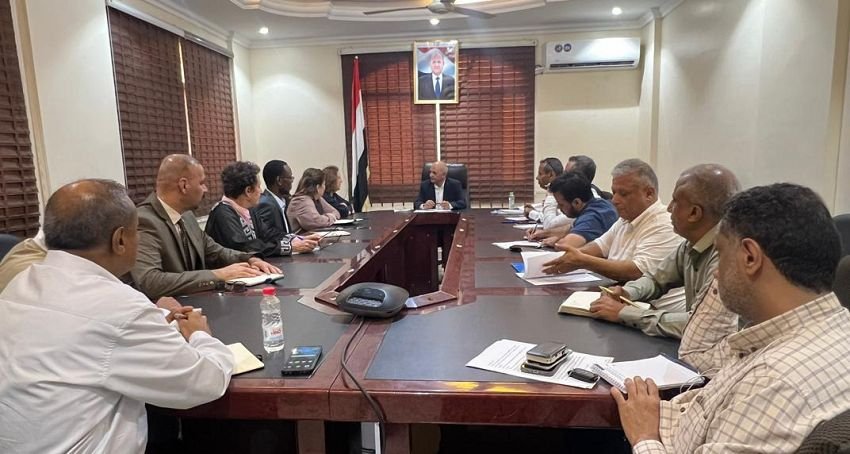
The ongoing water crisis in Yemen, particularly in Taiz Governorate, is not merely a humanitarian issue; it is a geopolitical flashpoint that threatens to exacerbate existing tensions and destabilize the region further as Minister of Water and Environment, Eng. Tawfiq Al-Sharjabi engages with the UNDP to address these challenges; the implications extend far beyond local water shortages, signaling a potential shift in power dynamics within Yemen and its neighboring states.
The water crisis in Yemen has reached alarming levels, with Taiz among the most affected areas. Years of conflict have devastated infrastructure, leading to severe shortages of potable water. The situation is compounded by the ongoing civil war, which has fragmented governance and hindered effective resource management. Taiz, strategically located between the north and south of Yemen, has become a battleground for various factions, making the provision of basic services like water not just a humanitarian necessity but a crucial element of control and influence. The involvement of international organizations like the UNDP highlights the urgent need for coordinated efforts to address these challenges, yet it also underscores the complexities of foreign intervention in a deeply divided nation.
The implications of the water crisis in Taiz extend beyond immediate humanitarian concerns. Politically, the inability to provide basic services can lead to increased unrest and dissatisfaction among the population, potentially fueling further conflict. Economically, water shortages hinder agricultural productivity, exacerbating food insecurity in a country already on the brink of famine. The security landscape is equally precarious; as communities struggle with resource scarcity, the potential for clashes over water rights and access increases, further destabilizing the region. The international community’s involvement, while necessary, must be approached with caution, as it can inadvertently entrench existing power structures or create dependencies that undermine local governance.
From a strategic standpoint, the water crisis in Taiz represents a critical opportunity for both local and international actors to reassess their approaches to conflict resolution and humanitarian aid. The Yemeni government, with support from the UNDP, must prioritize sustainable solutions that empower local communities rather than impose external frameworks that may not align with local needs. The risks of failing to address these issues are significant; a continued deterioration of the water situation could lead to a humanitarian disaster that spills over into neighboring countries, further complicating an already volatile regional landscape. Moreover, the potential for external powers to exploit the situation for geopolitical gain cannot be overlooked, as water scarcity can become a tool for influence in a region where resources are increasingly contested.
Looking ahead, several scenarios could unfold regarding the water crisis in Taiz. If the current initiatives led by the Yemeni government and supported by the UNDP succeed, we may witness a gradual improvement in water access, which could stabilize the region and foster a sense of normalcy. However, this optimistic outlook is contingent upon the cessation of hostilities and a commitment from all parties to prioritize humanitarian needs over political gains. Conversely, if the situation continues to deteriorate, we could see an escalation of violence as communities vie for dwindling resources, potentially drawing in external actors and complicating the conflict further. The international community must remain vigilant and responsive to these developments, ensuring that aid efforts are not only immediate but also sustainable in the long term.
The water crisis in Taiz is a microcosm of Yemen’s broader struggles, reflecting the intersection of humanitarian needs, political power, and regional stability. As Minister Al-Sharjabi and the UNDP work to address these challenges, the stakes are high. The outcomes of these efforts will not only determine the future of Taiz but could also reshape the geopolitical landscape of the Middle East. All stakeholders must recognize the urgency of the situation and act decisively to foster a sustainable resolution that prioritizes the needs of the Yemeni people while navigating the complex realities of the ongoing conflict.
About the Author