Yemen’s Prime Minister and UK Ambassador Prepare for New York Conference on Economic Reform
 Yemen Herald News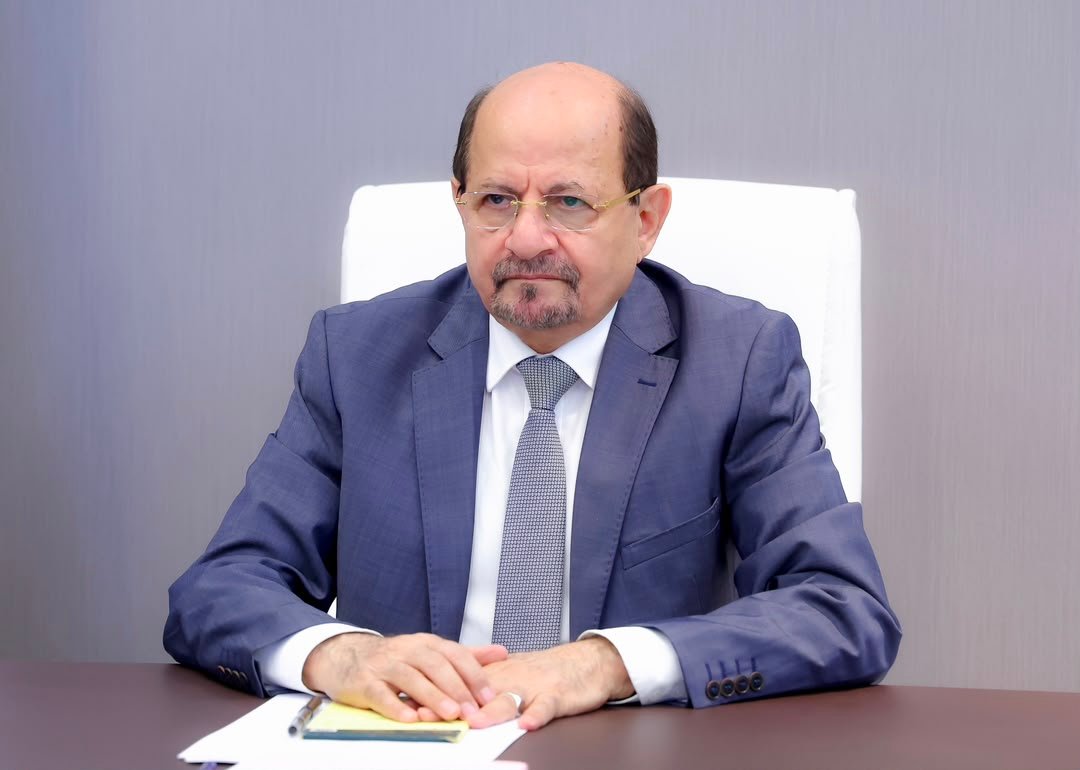
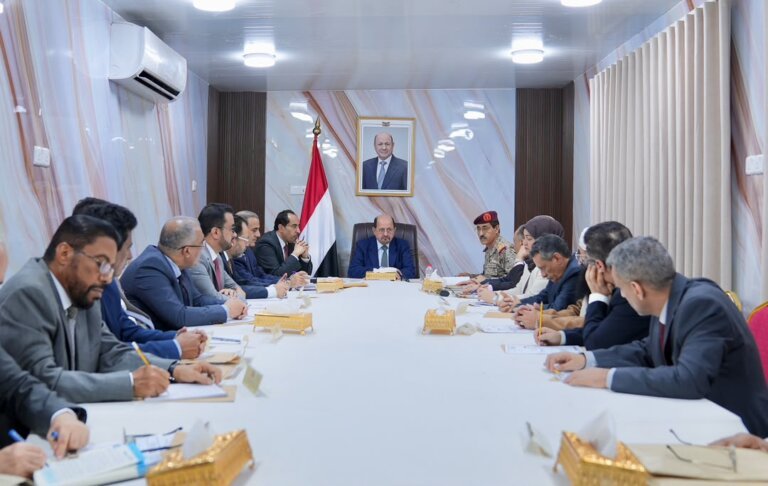
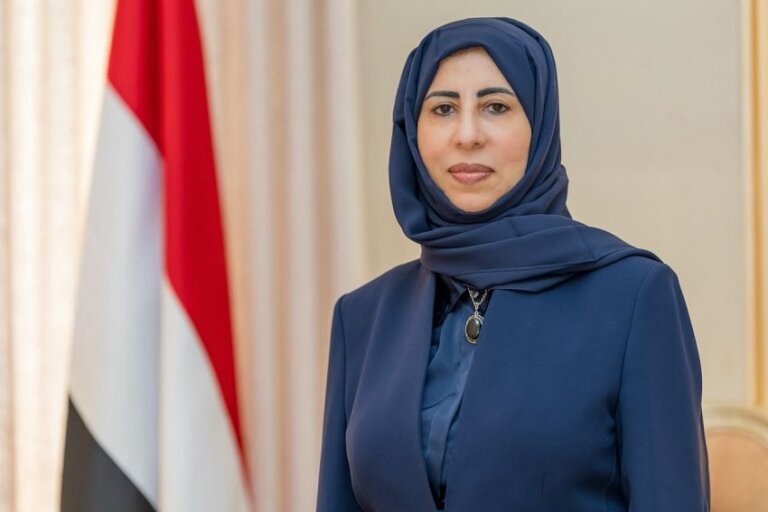
Yemen’s Prime Minister, Dr. Shaya Mohsen al-Zindani, held virtual talks on Wednesday with Abda Sharif, the United Kingdom’s Ambassador to Yemen, focusing on ways to deepen British support for the government’s economic and public-service reforms. The two discussed how London could help advance Yemen’s economic recovery plan, a priority for an administration trying to stabilise the state’s finances while the war with the Houthis grinds on.
Much of the conversation centred on preparations for an international conference due to be held in New York in October. Organised jointly by the United Kingdom and the Yemeni government, the gathering is intended to rally regional and international backing for Yemen’s economic priorities and to present the government’s reform agenda to donors and partners on a prominent stage. Officials see the event as a chance to translate diplomatic goodwill into concrete financial and technical support.
Al-Zindani, who also serves as foreign minister, brings an unusually diplomatic background to the premiership. Before the Presidential Leadership Council appointed him prime minister in January, following the resignation of his predecessor, he had spent years as an envoy, including postings as Yemen’s ambassador to the United Kingdom and several other European and Arab capitals. That experience has shaped a tenure focused heavily on courting outside support for a government whose authority depends on the confidence of foreign partners.
The prime minister used the meeting to outline the reforms his government has been pursuing despite formidable obstacles. He pointed to efforts to improve public services, restore the functioning of state institutions and steady an economy battered by years of conflict, a collapsing currency and chronic shortages. Among the most pressing challenges is a severe electricity crisis that has left many areas with only intermittent power, an issue the government has placed near the top of its agenda.
Al-Zindani stressed that the success of these measures depends on sustained help from international partners, particularly in the region. Ambassador Sharif, for her part, reaffirmed Britain’s commitment to supporting the reform programme and to fostering greater stability, according to accounts of the meeting. The exchange reflected a partnership that both sides have sought to strengthen as Yemen tries to move toward more effective governance and greater economic resilience.
The discussions were not confined to economics. The two also addressed what the Yemeni government describes as Iranian violations of its sovereignty, centred on flight operations to Sana’a International Airport, which lies in Houthi-held territory. The government regards unauthorised flights there as both an infringement of its authority and a threat to national security, and it has vowed to respond using what it calls all lawful measures available under the constitution and international law.
Al-Zindani thanked the United Kingdom for its support, singling out British statements at the United Nations Security Council condemning actions the government considers escalatory. He warned that Yemen would respond firmly to any further breaches of its sovereignty and reiterated its determination to protect its airspace and borders. The government has also highlighted its efforts to counter Houthi attacks aimed at Saudi Arabia, which backs the recognised administration through a coalition formed in 2015.
Those security concerns carry implications well beyond Yemen’s borders. Officials warned that continued escalation could threaten international maritime navigation in the Red Sea and the Bab al-Mandab Strait, among the world’s most important trade routes. Disruption in those waters has already unsettled global shipping in recent years, giving distant governments a direct stake in how the conflict unfolds along Yemen’s long coastline.
The talks unfolded against the backdrop of a humanitarian emergency that remains among the world’s worst. United Nations agencies estimate that more than 18 million Yemenis need assistance, and millions have been displaced by fighting that has fractured the country politically and militarily. Aid organisations have repeatedly cautioned that economic collapse and renewed violence feed one another, deepening the suffering of civilians caught between the warring sides.
The New York event is one strand of a wider push. The government has also been preparing economic conferences in the interim capital, Aden, and has held talks with the World Bank and European partners on development and public-finance measures. Officials say the aim is to control spending, raise revenue collection and steady the economy enough to make longer-term recovery credible to donors weighing fresh commitments.
As the New York conference approaches, the government is under pressure to show progress on reform while managing acute security threats. Yemeni officials have described Saudi support as a key pillar in preventing the state and its economy from collapsing, and they are hoping that events such as the planned gathering will broaden that base of assistance. For now, the meeting between al-Zindani and Sharif underscored how closely the government’s economic ambitions are tied to the strength of its international alliances, and how much its recovery plan depends on partners willing to back it.
Whether the New York conference delivers the resources the government is seeking will not be clear until the autumn. But officials on both sides framed the preparatory talks as a sign of continued engagement at a moment when Yemen can ill afford to lose international attention. The collaboration with London, they suggested, could offer a template for how outside partners engage with fragile governments trying to rebuild while conflict endures.
About the Author