Yemen’s Ambassador to Lebanon Discusses Bilateral Cooperation and Regional Developments with Lebanese Foreign Ministry
 Yemen Herald News
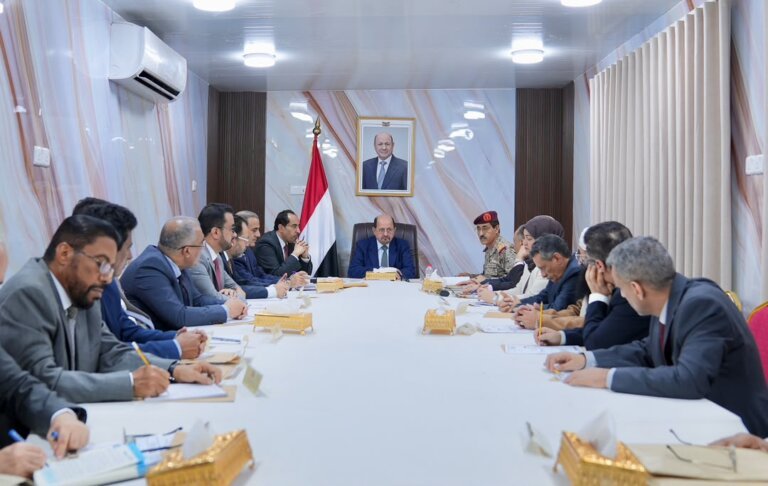
Yemen’s Ambassador to Lebanon, Abdullah Al-Duais, held talks in Beirut on Sunday with Abdel Sattar Issa, the Secretary-General of the Lebanese Foreign Ministry, in a meeting devoted to strengthening cooperation between the two countries and reviewing the latest regional developments. The two officials discussed a broad range of issues affecting both nations, from diplomatic coordination to the humanitarian consequences of Yemen’s long-running conflict, which has left the country divided and its institutions under severe strain.
During the meeting, Al-Duais raised what he described as serious violations of Yemen’s sovereignty. He pointed in particular to flights operated by Iran’s Mahan Air, which the Yemeni government says have been landing at airports in Houthi-controlled territory without permission from the internationally recognized authorities. The ambassador warned that such flights risk aggravating tensions between the warring parties and undermining efforts to stabilize the country after years of intermittent truce and stalled negotiations.
The dispute over the flights has intensified in recent weeks. The air link between Tehran and Sanaa, revived this year for the first time in nearly a decade, has become a dangerous flashpoint. According to regional media reports, forces aligned with the Yemeni government struck the runway at Sanaa International Airport this month in an attempt to prevent a Mahan Air aircraft from landing, and at least one Iranian flight was ultimately diverted to Hodeidah airport instead. The Houthis responded with threats of renewed attacks, declaring an end to what had been a period of relative de-escalation.
Al-Duais told his Lebanese counterpart that the Houthi movement’s push to establish direct air connections between its stronghold in Sanaa and Tehran would complicate an already volatile situation and risk further instability across the region. He said the government remains determined to curb unauthorized aerial operations and to protect Yemen’s territorial integrity, while keeping the door open to travel arrangements that comply with recognized international aviation protocols.
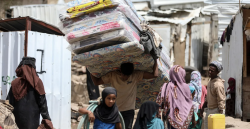
The ambassador also briefed Issa on the humanitarian situation inside Yemen, particularly in areas under Houthi control. He underscored the government’s continued efforts to ease the suffering of civilians in those regions despite significant obstacles, and he highlighted its endorsement of a proposal from Jordan to establish regular flights between Sanaa and Amman under international supervision. Al-Duais accused the Houthi militia of obstructing that initiative, a charge the group has not addressed, and said the delays were prolonging the hardship faced by ordinary Yemenis who need to travel for medical treatment, education and work.
Al-Duais further pointed to government initiatives aimed at facilitating the payment of public sector salaries, which have gone unpaid or been paid only intermittently in many parts of the country amid the financial turmoil created by the war. He presented these efforts as evidence of the government’s commitment to improving conditions for Yemenis on both sides of the front lines, including those living in territory it does not control.
For his part, Issa reaffirmed Lebanon’s solidarity with the Yemeni government and its support for initiatives to uphold the country’s sovereignty. He expressed Lebanon’s readiness to back efforts aimed at alleviating the humanitarian challenges facing the Yemeni people, and both sides emphasized the importance of restoring state authority and rebuilding national institutions as the foundation for any durable settlement.
The meeting reflected a shared predicament as much as a diplomatic courtesy. Both Yemen and Lebanon are grappling with the influence of armed groups backed by Iran, and both governments are seeking international support as they work to reassert state control. In southern Lebanon, the national army has been extending its presence in areas previously dominated by armed factions, while in Yemen the internationally recognized government continues to press its case against the Houthis in regional and international forums.
Yemen’s war, which escalated sharply in 2015, has produced one of the world’s most severe humanitarian crises. More than 18 million people are estimated to need humanitarian assistance, and over 4.5 million have been displaced within the country. Recurring outbreaks of disease, including cholera and measles, have compounded the emergency, while the collapse of the currency in government-held areas has pushed the cost of food and fuel beyond the reach of many families.
The regional backdrop has grown more dangerous as well. The Houthis this week declared a maritime blockade of Saudi shipping at the Bab al-Mandeb Strait, the narrow gateway to the Red Sea through which a significant share of global trade passes, amid a widening confrontation between the United States and Iran around the Strait of Hormuz. The escalation has renewed fears that Yemen could once again become the arena for a broader regional conflict, raising the stakes of diplomatic engagement of the kind seen in Beirut.
For the Yemeni government, meetings such as the one between Al-Duais and Issa serve a dual purpose: sustaining international attention on Yemen’s humanitarian needs and shoring up diplomatic support for its position as the country’s legitimate authority. Whether such engagement can translate into concrete progress remains uncertain, but officials on both sides argued that dialogue between Arab states is essential if the region is to avoid a deeper slide into instability. As Yemen navigates this turbulent period, building alliances with countries like Lebanon may prove pivotal to both its diplomatic standing and the wellbeing of its citizens.
About the Author