
University of Aden Opens First International Conference on Digital Transformation and Sustainable Development
 Yemen Herald News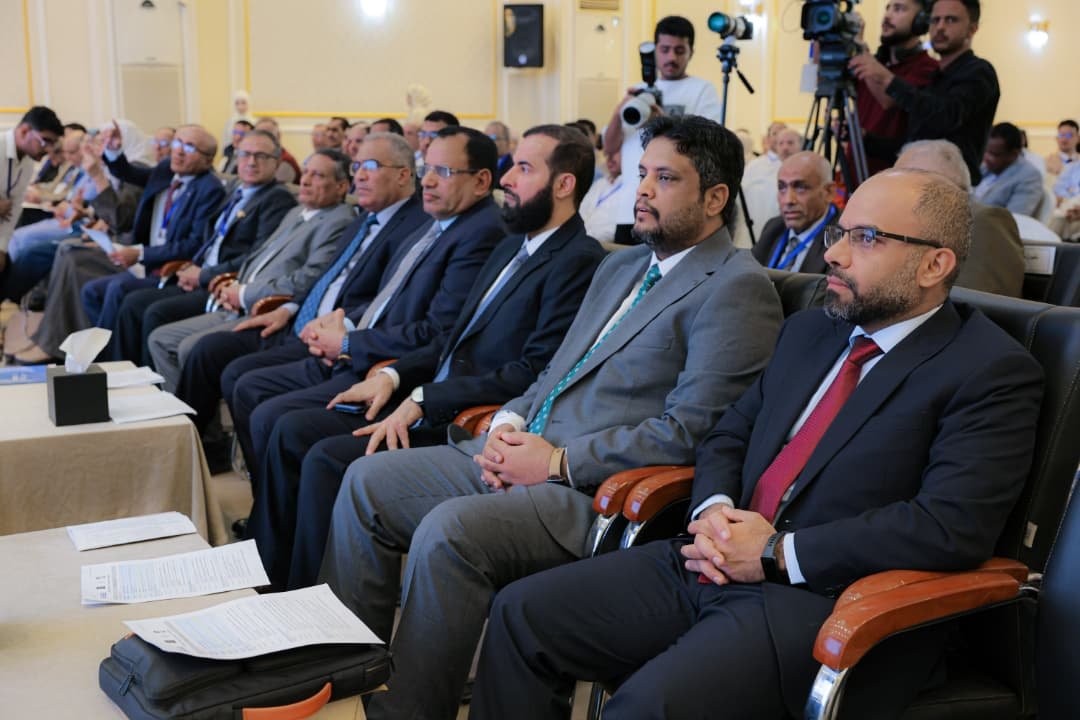
The University of Aden has opened the first International Conference on Digital Transformation, Innovation and Sustainable Development, known as DTISD 2026, drawing researchers and technology specialists from 32 countries to Yemen’s interim capital. The three-day event, running from July 20 to 22 and held in a hybrid format that combines on-site sessions with virtual participation, explores how emerging technologies can support economic advancement and sustainable development, a question of particular urgency for a country working to rebuild after more than a decade of conflict.
The conference is organized in partnership with the Arab Academy for Administrative, Financial and Banking Sciences, whose Aden branch worked closely with the university and the Ministry of Higher Education on preparations over recent months. Sessions cover digital transformation, artificial intelligence, data science, the Internet of Things, financial technology and cybersecurity, with accepted papers undergoing double-blind peer review and slated for submission to the IEEE Xplore digital library, which is indexed by Scopus, a mark of academic rigor unusual for a conference held in a country under such strain.
Preparations for the event stretched back months. Minister Noman met earlier this year with Dr. Murad al-Nashmi, director of the Arab Academy’s Aden branch, to review the work of the preparatory committees, the conference’s strategic objectives and the steps intended to strengthen digital innovation in scientific research. That sustained institutional effort, organizers say, was essential to attracting international submissions and securing the academic partnerships that give the conference its credibility.
In his inaugural address, Minister of Higher Education and Scientific Research Dr. Amin Noman highlighted the urgent need for universities to adapt amid rapid technological change. He argued that higher education institutions must rethink their role in equipping future generations with the skills and knowledge required to navigate a technology-driven world, and he urged both public and private institutions to develop strategic plans that strengthen their academic offerings and deepen ties with regional and international partners.
Dr. Noman said the foundation of the government’s vision for sustainable development lies in investing in human capital, which he described as Yemen’s most precious resource. The message reflects a broader effort by the ministry to stabilize and modernize higher education despite the pressures of war, displacement and chronic underfunding that have tested Yemeni universities for years.
The gathering comes at a critical juncture. After more than a decade of conflict, millions of Yemenis remain in need of humanitarian assistance and large segments of the population are internally displaced. In that context, organizers argue, education and technology are not luxuries but essential tools for recovery, offering pathways to economic resilience that do not depend solely on the country’s damaged physical infrastructure.
For the University of Aden, hosting an international scientific conference carries significance beyond the academic program. It signals that Yemeni institutions can still convene global expertise, build partnerships and contribute to scholarly exchange. The hybrid format has proved essential to that ambition, allowing participants who cannot travel to Yemen to present research and join discussions remotely, and connecting Yemeni academics with peers they might otherwise never meet.
The agenda gives particular attention to the practical adoption of new technologies by universities, public institutions and firms. Speakers are examining how artificial intelligence and data science can improve operational efficiency in resource-constrained environments, how digital services can extend the reach of education and government, and how cybersecurity practices can protect institutions as they move more of their work online.
Digital entrepreneurship features prominently as well. Yemen’s young population represents a deep pool of potential talent, and advocates argue that fostering a culture of innovation could encourage technology-driven startups capable of creating jobs and diversifying an economy long dependent on oil revenues and remittances. Even modest growth in the digital sector, they suggest, could have outsized effects in a country where formal employment opportunities are scarce.
The obstacles remain considerable. Yemen’s electricity supply is unreliable, internet connectivity is among the slowest and most expensive in the region, and the division of the country between the internationally recognized government and the Houthi movement complicates any national policy. Participants acknowledge these constraints, and much of the discussion focuses on solutions tailored to local conditions rather than imported models that assume infrastructure Yemen does not yet have.
Still, the collaboration on display in Aden could prove instrumental in shaping strategies for recovery and growth. Conference organizers hope the research presented and the partnerships formed will lay the groundwork for joint projects bridging academic theory and practical application, particularly in fields touched by the ongoing humanitarian crisis, from health informatics to supply chain management.
The initiative also reflects a broader regional movement to embrace digital change as a route to resilience. Governments and universities across the Arab world are investing heavily in digital transformation, and Yemen’s participation in that conversation, however constrained its circumstances, keeps its institutions connected to regional networks of funding, expertise and opportunity.
As the sessions continue through the week, the outcomes of DTISD 2026 will be measured less by declarations than by what follows: the research collaborations that endure, the strategic plans that universities actually adopt, and the young Yemenis who find in technology a reason to build their futures at home. In a country facing adversity on many fronts, the conference stands as evidence that a path toward innovation and sustainable growth remains open.
About the Author




