Houthis Warn Shipping Companies Away From Saudi Red Sea Ports as Loaded Tankers Turn Back
 Yemen Herald News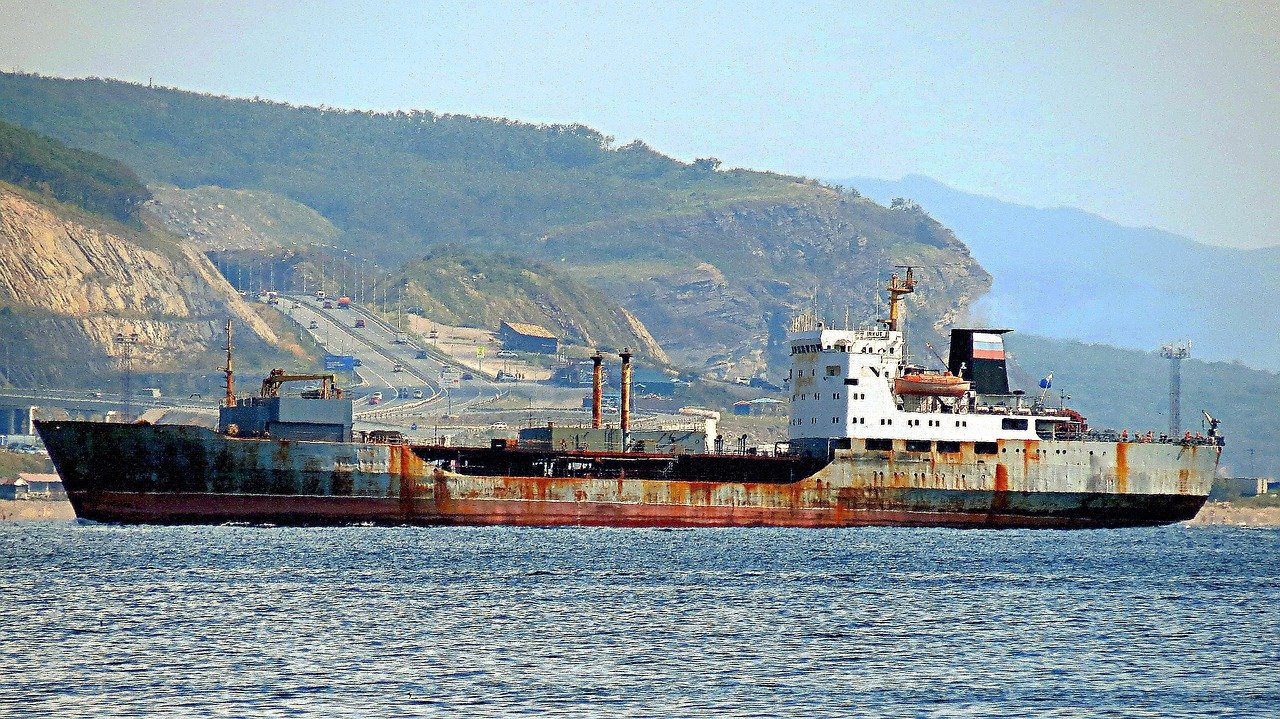
The Iranian-aligned Houthi movement has warned shipping companies that vessels calling at Saudi Arabian ports risk attack, a message that sharply raises the stakes in the Red Sea and threatens one of the world’s most important trade arteries. The warning, circulated by email to multiple shipping firms, follows the group’s announcement of a blockade on Saudi Arabia’s Red Sea ports and marks one of the most serious escalations in the region since the Yemeni civil war began in 2015.
According to the message reported by international news agencies, the email told operators that vessels are banned from loading or discharging cargo at any Saudi port. The Houthis said the blockade was a response to a Saudi missile strike on Sanaa International Airport days earlier and to what the group called an unjust siege imposed on Yemen. Riyadh, which leads the military coalition backing Yemen’s internationally recognized government, has not accepted that characterization.
The commercial impact was immediate. Two oil tankers loaded with Saudi crude and bound for buyers in China and India made U-turns in the Red Sea and headed back toward the Suez Canal, according to ship-tracking data. The diversions illustrate how quickly a threat of force can redirect traffic in this waterway, and analysts warn that sustained disruption could put millions of barrels of Saudi exports at risk.
The Red Sea corridor normally carries roughly a tenth of global seaborne trade, linking Asia to Europe through the Suez Canal, and a substantial share of the world’s oil and gas shipments passes the Yemeni coast at Bab al-Mandab. That geography explains why a threat issued from Sanaa can move markets in London, Singapore and New York within hours, and why previous rounds of Houthi attacks drew naval deployments from the United States, Europe and Asia to protect merchant traffic.
The threat drew a swift reaction in Washington. President Donald Trump said the United States would act decisively if the Houthis carried out attacks on shipping, and the Secretary of State echoed the warning. Previous American military campaigns against Houthi missile and drone infrastructure serve as an obvious reference point, and the administration’s language suggests it is prepared to respond forcefully if commercial vessels come under fire.
The Red Sea warning coincides with broader Iranian pressure on maritime security in the Gulf, where traffic through the Strait of Hormuz has faltered amid confrontation between Tehran and Washington. Diplomatic efforts to ease tensions between Iran and the United States appear to be stalling, and violence has entered a tense phase of retaliatory military engagements across the region. Analysts view the Houthi blockade as part of a wider strategy in which Tehran and its allies exert simultaneous pressure on both of the Arabian Peninsula’s principal shipping corridors.
The Houthis control much of northern Yemen, including the capital Sanaa, and hold coastline near the Bab al-Mandab Strait, the narrow chokepoint connecting the Red Sea to the Gulf of Aden and the Indian Ocean. The group has not declared the strait closed, but its warning against Saudi-bound traffic implies an intent to police who may use these waters. During their 2023 to 2024 campaign, the Houthis attacked scores of commercial vessels with drones, anti-ship missiles and small boats, sinking ships and forcing much of the world’s container traffic to divert around the Cape of Good Hope. That record lends credibility to the current threat and is already feeding through into war-risk insurance premiums and operating costs.
The consequences for energy markets could be considerable. Saudi Arabia is among the world’s largest oil exporters, and its Red Sea terminals handle a significant portion of its crude and refined product shipments. Disruption to even a fraction of those flows would ripple through international prices at a moment when the standoff around Hormuz is already unsettling traders. Shipping economists note that rerouting adds weeks to voyages and strains global supply chains, costs that ultimately reach consumers.
The escalation also carries grim implications inside Yemen. The United Nations estimates that more than 18 million Yemenis need humanitarian assistance, and the country depends on seaborne imports for the bulk of its food, fuel and medicine. Aid agencies have repeatedly warned that fighting around ports and shipping lanes deepens hunger and drives up prices in local markets, and they continue to press for a ceasefire and a political settlement. Each new round of strikes and counterstrikes makes that path harder to reach.
For shipping companies, the coming days will demand difficult judgments about routes, insurance and crew safety, informed by the Houthis’ record of following through on maritime threats. For governments, the task is to deter attacks without triggering a wider war involving Iran. The risk of miscalculation is acute: a single strike on a loaded tanker could cause loss of life, environmental damage and a military response that spirals beyond the Red Sea.
Much now depends on whether the Houthis act on their warning, how Saudi Arabia and the United States respond, and whether any diplomatic channel can be revived. What is already clear is that the world’s shipping lanes have again become instruments of leverage in the region’s conflicts, and that Yemen, exhausted by more than a decade of war, sits at the center of a confrontation whose consequences reach far beyond its shores.
About the Author