Yemen and the Netherlands have discussed cooperation on human rights, detainee releases
 Yemen Herald News
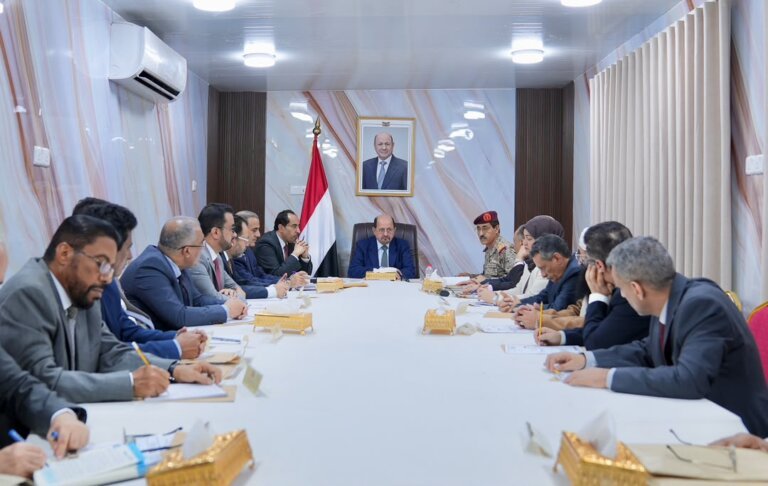
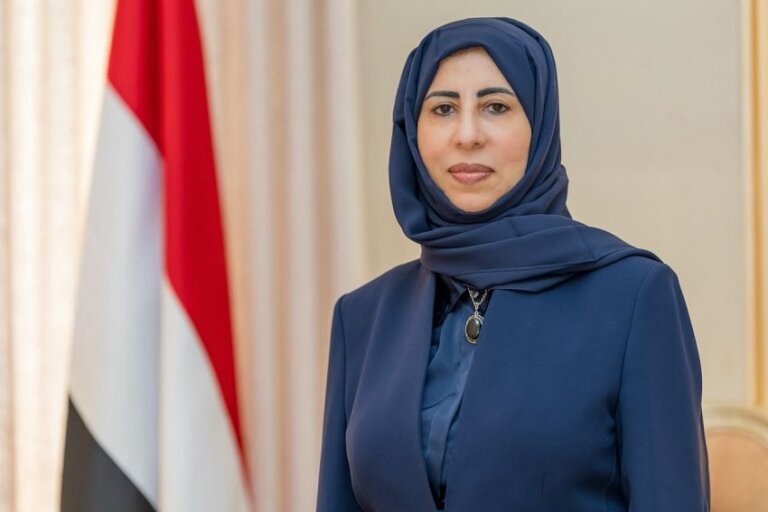
Yemen and the Netherlands have discussed cooperation on human rights, detainee releases and the plight of the forcibly disappeared, in a video conference between Yemen’s Minister of Human Rights, Mashdal Omar, and the Dutch Ambassador to Yemen, Jeannette Seppen. The meeting reflected an ongoing dialogue aimed at addressing some of the most pressing human rights challenges facing the country after years of conflict.
During the discussion, Minister Omar set out the priorities of the Ministry of Human Rights and the obstacles it faces in its work. He stressed the importance of building partnerships with friendly nations and civil society organisations as a means of bolstering the effectiveness of human rights efforts in Yemen, where the scale of the challenges far exceeds the capacity of any single actor.
The minister addressed the government’s stated commitment to closing unofficial detention centres and improving conditions for detainees, alongside efforts to resolve the issue of forcibly disappeared persons. He reiterated the government’s dedication to the principle of “all for all” in the context of detainee releases, a formula that envisions a comprehensive exchange rather than partial or selective arrangements.
Human rights have been a central and painful dimension of Yemen’s conflict. The war has been accompanied by widespread reports of violations by various parties, including arbitrary detention, enforced disappearances and abuses against civilians. Addressing these issues is essential both to relieving suffering and to laying the groundwork for reconciliation and accountability.
The question of detainees has been among the most sensitive and consequential humanitarian issues of the conflict. Large numbers of people have been detained by the various parties over the course of the war, and the fate of detainees and the disappeared has been a source of anguish for countless families, making progress on this front a matter of urgent human concern.
The principle of “all for all”, invoked by the minister, has featured prominently in efforts to secure detainee releases. The formula envisions the release of all those held by the various parties, and it has been a reference point in negotiations facilitated by international mediators, though achieving comprehensive exchanges has proved difficult amid the complexities of the conflict.
The commitment to closing unofficial detention centres addresses concerns about places of detention operating outside the formal legal framework. Such facilities have been a focus of human rights concerns, given the risks they pose in terms of abuse and the absence of legal safeguards, and their closure is regarded as an important step toward improving the human rights situation.
The issue of forcibly disappeared persons is among the most agonising legacies of the conflict. Enforced disappearance, in which people are detained and their fate or whereabouts concealed, inflicts profound suffering on families left without information about their loved ones, and resolving such cases is a critical element of addressing the human rights dimension of the war.
The emphasis on partnerships with friendly nations and civil society reflects an understanding that advancing human rights requires broad cooperation. International partners can provide support, expertise and attention, while civil society organisations often play a vital role in documenting abuses, advocating for victims and delivering assistance, making their involvement essential to effective efforts.
The Netherlands has been engaged with Yemen on a range of issues, including human rights and humanitarian concerns. Its dialogue with the Ministry of Human Rights reflects the interest of international partners in supporting efforts to address the human rights situation, and such cooperation can contribute to the resources and attention needed to make progress.
The obstacles facing the Ministry of Human Rights, referenced by the minister, are considerable. Operating amid conflict, with limited resources and in a context where multiple parties control different areas, the ministry faces significant constraints in its efforts to monitor, document and address human rights issues across the country.
Improving conditions for detainees, another commitment highlighted in the meeting, addresses the treatment of those held in detention. Ensuring humane conditions and adherence to legal standards is a fundamental human rights concern, and efforts to improve the situation of detainees form part of the broader agenda of addressing abuses associated with the conflict.
The government’s engagement on these issues reflects an awareness of their importance to its standing and to the wellbeing of the population. Human rights concerns carry weight both domestically and internationally, and demonstrating commitment to addressing them is significant for a government seeking to affirm its legitimacy and to build support.
Progress on human rights, however, depends on more than commitments and dialogue. Translating stated intentions into tangible improvements requires action, resources and, in many cases, the cooperation of other parties to the conflict. The challenges are formidable, and sustained effort will be needed to achieve meaningful change on the ground.
The families of the detained and the disappeared have often been at the forefront of efforts to keep these issues alive, forming associations and appealing to national and international bodies for information and action. Their persistence has helped ensure that the human cost of detention remains visible, and officials acknowledge that any credible progress must ultimately be measured by the answers and releases delivered to those families rather than by declarations alone.
For now, the meeting between Omar and Seppen reaffirmed the shared interest of Yemen and the Netherlands in advancing human rights and the government’s stated commitment to addressing issues such as detention and enforced disappearance. As the country grapples with the human rights legacy of its conflict, cooperation of this kind remains an important element of efforts to address these enduring challenges.
About the Author