Local Administration Minister and EU Review Decentralisation Projects
 Yemen Herald News
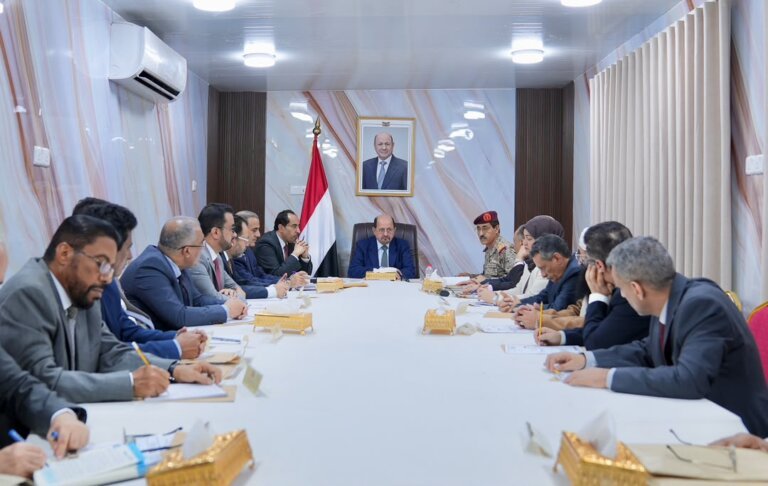
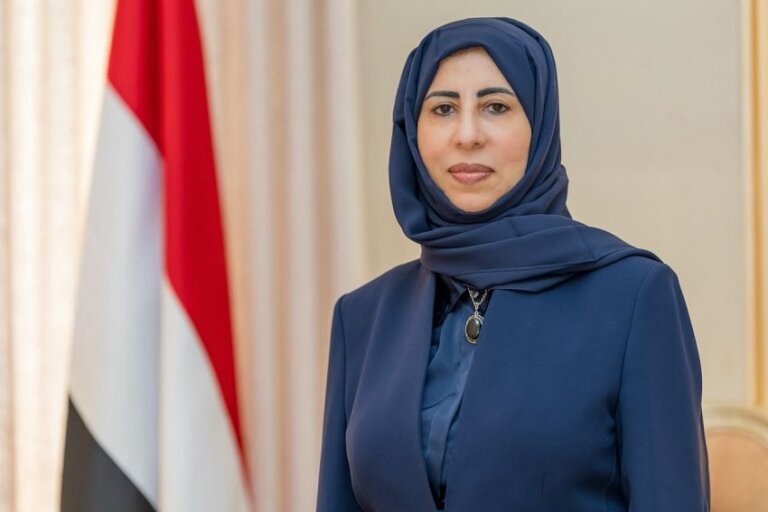
Yemen’s Local Administration Minister has discussed EU support for decentralisation and development with the European Union Mission to Yemen, led by Ambassador Patrick Simonnet. In a video conference held on Tuesday, Eng. Badr Basalmah and the EU delegation reviewed the ministry’s strategic plans and the key development projects that the bloc is supporting across the country.
During the meeting, the participants examined a range of initiatives aimed at enhancing the capacities of local authorities. A significant project highlighted in the discussion was the Strengthening Institutional and Economic Resilience in Yemen programme, known as SIERY, which is being implemented by the United Nations Development Programme across several governorates.
Minister Basalmah outlined the ministry’s work plan for the current year, emphasising the importance of strengthening state institutions and of regulating the relationship between the central government and local authorities. He also referred to the preparation of a national strategy aimed at implementing decentralisation in order to improve services and governance.
Decentralisation has long featured prominently in debates about how Yemen should be governed. Advocates argue that devolving authority and resources to governorates and districts allows decisions to be made closer to the communities they affect, improving responsiveness and accountability. In a country as diverse as Yemen, the case for empowering local authorities has recurred in successive discussions about the structure of the state.
The war has lent that debate fresh urgency. With central authority weakened and the country fragmented, local authorities have often shouldered responsibilities that would ordinarily fall to national institutions. Yet their capacity to do so varies widely and is frequently constrained by shortages of funding, staff and technical expertise, underscoring the need for the support such projects provide.
The SIERY programme reflects an effort to address these constraints. By strengthening institutional and economic resilience, the initiative aims to build the capacity of local authorities and to support the delivery of services, contributing to stability and to the ability of communities to withstand the pressures created by the conflict and its many consequences.
The involvement of the United Nations Development Programme in implementing SIERY reflects the collaborative nature of the response. Channelling support through an established organisation with operational capacity across the country helps ensure that assistance reaches the governorates and communities it is intended to benefit, drawing on the UNDP’s experience and presence on the ground.
The European Union has been among the more prominent international partners engaged with Yemen, providing humanitarian, development and institutional support over the course of the conflict. Its backing for projects strengthening local governance reflects a recognition that building capable institutions is essential to the country’s stability and to its longer-term recovery.
The emphasis on strengthening state institutions speaks to a central challenge of Yemen’s situation. Years of conflict have weakened the institutions on which governance and service delivery depend, and rebuilding their capacity is a prerequisite for the effective functioning of the state and for the restoration of public confidence in its ability to serve citizens.
Regulating the relationship between the central government and local authorities is a key aspect of the reform agenda. Clarifying the respective roles, responsibilities and resources of different levels of government can help improve coordination, reduce friction and enhance the effectiveness of governance, particularly in a country where authority has been dispersed by conflict.
The preparation of a national strategy for decentralisation, referenced by the minister, points to an effort to approach the issue in a systematic manner. Developing a coherent strategy can help guide reform, ensure consistency across the country and provide a framework for empowering local authorities in ways that improve services and governance.
Improving service delivery lies at the heart of these efforts. For ordinary citizens, the quality and availability of services such as water, electricity, health and education are among the most tangible measures of governance, and strengthening the capacity of local authorities to deliver them is central to improving daily life and to rebuilding trust in institutions.
The engagement with the European Union also reflects the broader importance of international partnerships to Yemen’s recovery. With domestic resources severely constrained, the government relies on the support of partners to advance its reform agenda, making the cultivation and maintenance of these relationships a continual priority for the ministry.
Realising the goals discussed will require sustained commitment, resources and coordination. Institutional reform and decentralisation are long-term undertakings, and their success depends on the ability to translate strategies and projects into tangible improvements in the capacity of local authorities and in the services experienced by citizens across the country.
The discussion also reflected a broader shift in how international support for Yemen is increasingly framed. Alongside emergency humanitarian relief, donors have placed growing emphasis on strengthening the systems and institutions that allow communities to recover and to withstand future shocks, an approach embodied in programmes that pair capacity building with economic resilience. For the Ministry of Local Administration, aligning its work plan with initiatives such as SIERY offers a means of embedding this longer-term perspective into the everyday business of governance, so that support translates not only into immediate assistance but into more durable institutional foundations.
For now, the meeting between Basalmah and the EU Mission reaffirmed the shared commitment to strengthening local governance in Yemen and the continued support of the European Union for projects such as SIERY. As the country works to rebuild its institutions, cooperation of this kind remains an important element of efforts to improve governance and advance recovery.
About the Author