Prime Minister Zindani Reviews Foreign Ministry Reforms in Aden
 Yemen Herald News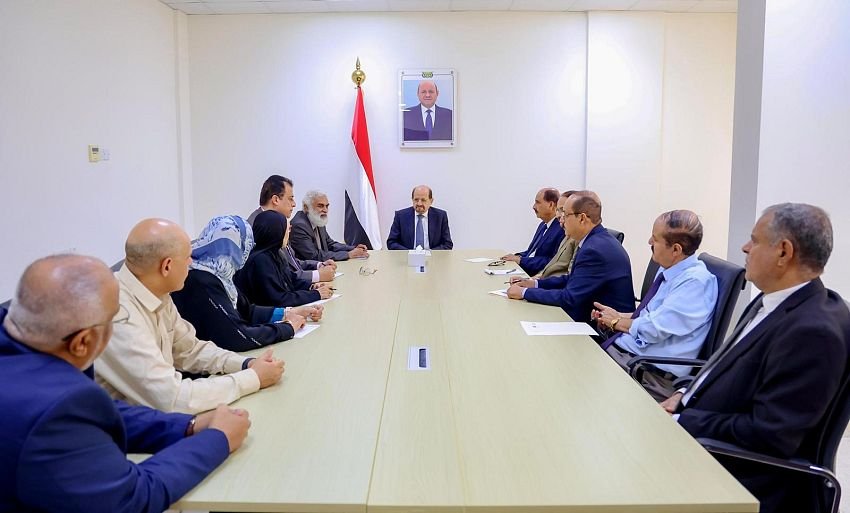
Yemen’s Prime Minister, Dr. Shaya Zindani, has visited the Ministry of Foreign Affairs in Aden to assess the operational workflow and administrative performance across its various departments. The visit, conducted on Monday in the interim capital, formed part of a broader effort to strengthen Yemen’s diplomatic presence and to improve the management of its foreign relations at a critical juncture for the country.
During the visit, Dr. Zindani, who also serves as foreign minister, met with leaders and staff from a range of departments and received briefings on their responsibilities in managing Yemen’s external relations and in serving Yemeni communities abroad. The exchanges highlighted the ministry’s stated commitment to raising both administrative and professional standards in its diplomatic work.
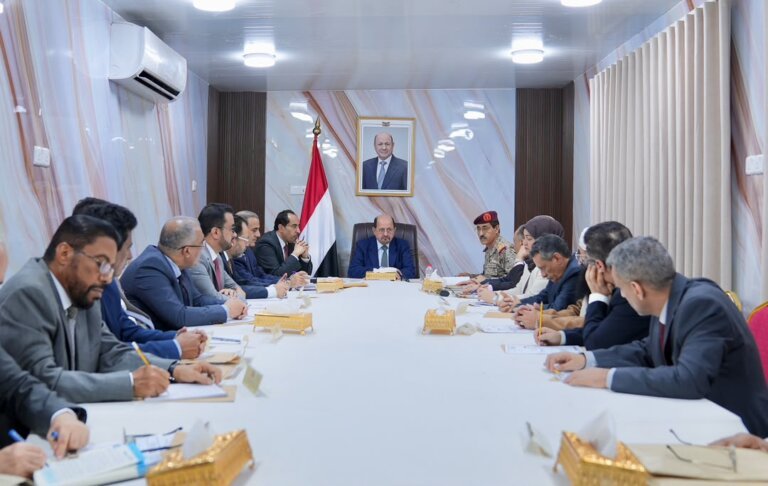
The prime minister also chaired a meeting with department heads to review the institutional reforms introduced in recent years. The gathering aimed to enhance coordination between the ministry’s departments and Yemen’s diplomatic missions around the world, with the goal of ensuring a unified and coherent approach to the conduct of the country’s foreign policy.
The dual role held by Zindani, as both head of government and foreign minister, lends his engagement with the ministry particular weight. His direct involvement in reviewing its operations reflects the importance the government attaches to diplomacy as an instrument for advancing Yemen’s interests, securing international support and maintaining the relationships on which it heavily depends.
Yemen’s foreign ministry occupies a central place in the government’s efforts to sustain its international standing. Through its network of embassies and missions, the ministry represents the internationally recognised government abroad, cultivates relationships with partner states and international organisations, and works to keep the country’s needs and concerns on the global agenda.
The emphasis on administrative performance points to a recognition that effective diplomacy depends on well-functioning institutions. Ensuring that the ministry operates efficiently, with clear procedures and capable staff, is essential to enabling it to carry out its mandate, particularly in a demanding environment shaped by conflict and constrained resources.
Serving Yemeni communities abroad, one of the responsibilities highlighted during the visit, is an important function of the ministry and its missions. Large numbers of Yemenis live outside the country, whether as long-established expatriates or as people displaced by the war, and providing them with consular services and support is a significant part of the ministry’s work.
The review of institutional reforms reflects the government’s broader agenda of strengthening its institutions and improving governance. Zindani’s administration has publicly committed to enhancing institutional performance and combating corruption, and the examination of the foreign ministry’s reforms fits within this wider drive to build a more effective and accountable state apparatus.
Coordination between the ministry’s departments and Yemen’s diplomatic missions is central to the coherence of the country’s foreign policy. Ensuring that missions abroad operate in alignment with the ministry’s priorities and that information flows effectively between headquarters and posts is essential to presenting a unified position and pursuing consistent objectives on the international stage.
The prime minister’s hands-on approach, visiting the ministry in person and engaging directly with staff, signals an intent to demonstrate leadership and to convey the seriousness with which the government regards the work of diplomacy. Such visits allow senior officials to assess conditions first-hand, identify areas for improvement and reinforce expectations regarding performance and conduct.
The setting of the visit in Aden underscores the city’s role as the seat of the internationally recognised government and the base for its institutions. As the interim capital, Aden hosts the ministries and offices through which the government conducts its affairs, and the functioning of these institutions is central to its capacity to govern and to represent the country abroad.
Improving diplomatic performance carries significance beyond the ministry itself. Effective diplomacy is essential to securing the international support, both political and material, on which the government relies, and to advancing Yemen’s interests in forums where decisions affecting the country are made. Strengthening the ministry is therefore bound up with the government’s broader objectives.
The reforms under review reflect an ongoing process rather than a single initiative. Building institutional capacity and improving performance are long-term undertakings that require sustained attention, and periodic reviews such as the one conducted by the prime minister help to maintain momentum and to ensure that reform efforts remain on track.
Whether the intentions expressed during the visit translate into tangible improvements will depend on implementation and on the continued commitment of the ministry’s leadership and staff. Administrative reform can be difficult to sustain amid the pressures of conflict and limited resources, but the government’s focus on the issue signals its recognition of the importance of effective institutions.
The visit also came at a time when Yemen’s diplomacy is called upon to perform a demanding balancing act, sustaining relationships with a diverse array of regional and international partners while advocating for the country’s interests in an increasingly crowded field of global crises. A ministry able to coordinate effectively across its missions is better placed to keep Yemen’s concerns visible and to respond nimbly to a rapidly shifting international environment, an argument that appeared to underpin the prime minister’s emphasis on institutional coherence.
For now, the prime minister’s visit reaffirmed the government’s commitment to strengthening its diplomatic apparatus and to improving the management of Yemen’s foreign relations. As the country continues to rely heavily on international engagement, the effectiveness of its foreign ministry remains an important factor in its efforts to advance its interests and secure support amid a protracted crisis.
About the Author